

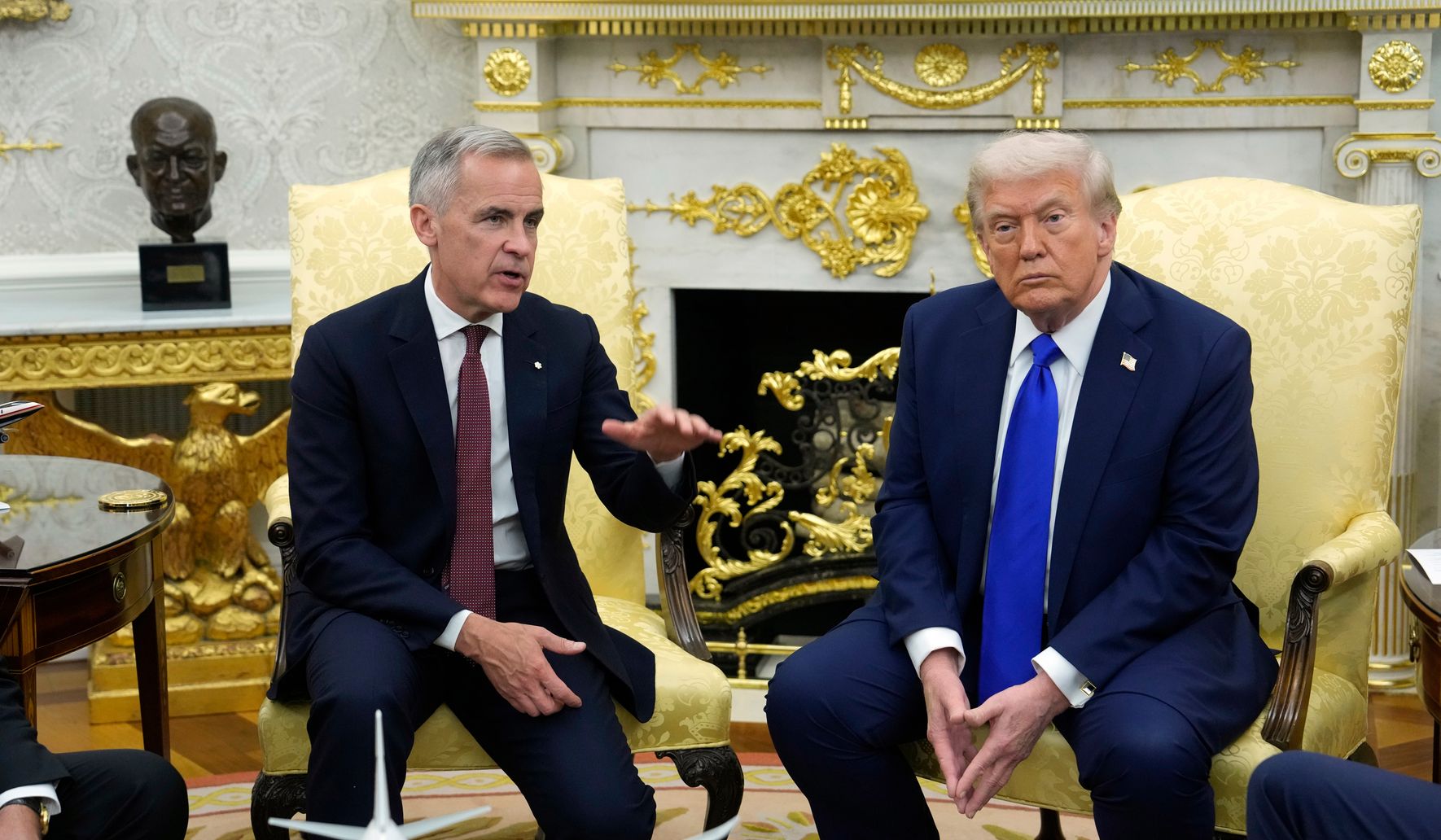
The trade clash between the U.S. and Canada intensified this week when the U.S. moved to ban most Canadian alcoholic beverages and slapped restrictions on other goods, a step that tightens pressure in an already tense exchange.
The trade war between the U.S. and Canada escalated again this week as the U.S. announced import bans on most alcoholic beverages from Canada, along with other products including whey, molasses and more. That move signals Washington is ready to use trade enforcement tools more aggressively to correct what it sees as unfair practices. The decision landed hard on exporters who depend on cross-border markets and on supply chains that have been counting on stable rules.
U.S. officials framed the action as putting American interests first, arguing that tougher measures are necessary when negotiations stall. From a Republican perspective, the message is simple: you negotiate from strength or you face consequences. The policy rationale focuses on defending domestic producers and pushing allies to play by the same rules that protect U.S. jobs and investment.
For Canadian businesses, the impact is immediate and practical: inventories pile up, contracts are disrupted, and the price of uncertainty rises. Distillers, food processors and agricultural suppliers now face shipping headaches and potential revenue losses. Smaller firms, without the buffer of diversified markets, are the most vulnerable and could see long-term damage if the dispute drags on.
Across the border, officials in Ottawa will have to decide whether to escalate, accommodate, or seek rapid negotiation. Retaliation risks a tit-for-tat spiral that would hurt consumers and producers on both sides. The smarter move for Canada would be to re-engage quickly and find binding solutions that address the underlying trade frictions without upending market access.
Supply chains are the hidden casualty of these headlines; downstream manufacturers in the U.S. who rely on feedstocks like whey could feel pinch points if supply reroutes or prices spike. That means American manufacturers and farmers could face indirect costs even as Washington aims to protect them. Policy makers should factor these secondary effects into any enforcement playbook to avoid unintended harm to domestic businesses.
Political leaders must also reckon with the diplomatic fallout. Trade disputes among close allies test the durability of partnerships built on shared security and values. Republicans generally favor clear, enforceable rules and swift remedies when partners stray, but they also understand the value of preserving alliances that matter strategically beyond commerce.
Companies now need contingency plans: diversify suppliers, assess contractual risks, and work with trade counsel to navigate shifting regulations. Market players who quickly adapt will cushion the shock better than those that wait for guidance. Meanwhile, state and federal officials should coordinate to support affected industries without rewarding bad actors.
The next weeks will reveal whether this ban is a pressure tactic that brings Canada back to the table or the start of a lengthier standoff. Lawmakers on Capitol Hill are watching closely, and hearings or legislative responses could follow if the disruption widens. From a Republican standpoint, persistence in defending American workers and insisting on fair trade is the right posture, but it must be matched with smart diplomacy to minimize collateral damage.
Ultimately, this episode is a reminder that trade policy is both a blunt instrument and a bargaining chip. Used well, it can correct imbalances and restore fair competition; used carelessly, it can fracture supply chains and raise costs for consumers. The coming days should clarify whether leaders choose negotiation, escalation, or a mix of both as they steer this high-stakes dispute.

