

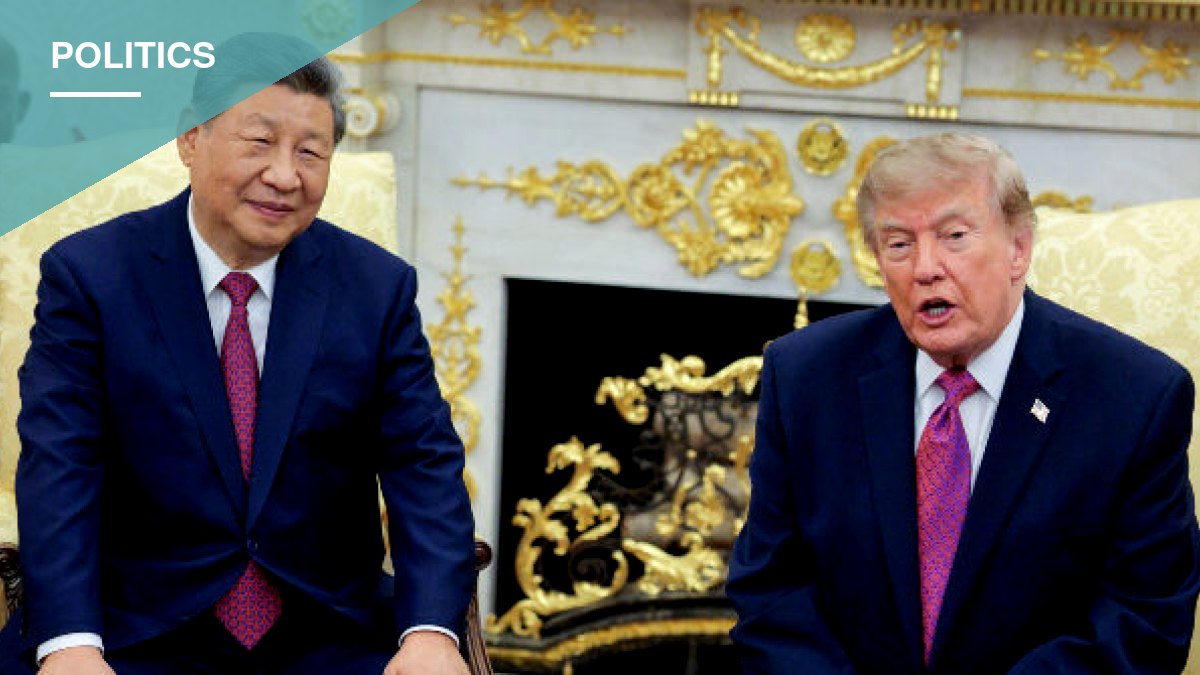
The United States and China have agreed to reduce tariffs on roughly $30 billion worth of consumer and agricultural goods, a step that could ease prices for American shoppers and mark a turning point in the two nations’ prolonged trade dispute.
The agreement, reached this week following a summit between President Donald Trump and Chinese President Xi Jinping, was first detailed by Axios and covers what the White House described as “non-sensitive goods.”
Under the terms, China will lower tariffs on certain agricultural products, seafood, wood products, cosmetics, and medical devices. In return, the United States will cut tariffs on small appliances, toys, holiday decorations, and children’s car seats.
The White House also announced that China has committed to purchasing 10 million metric tons of American coal in 2027 and another 10 million metric tons in 2028. China had ranked among the top five importers of U.S. coal before drastically cutting purchases in 2025 as the trade war escalated.
On the matter of critical minerals, the White House fact sheet stated: “The United States and China continue to work on U.S. concerns regarding supply chain shortages related to rare earths and other critical minerals, with the goal of ensuring shipment levels return to appropriate levels.”
A Long Road to This Point
The deal comes after months of escalating tension. In April 2025, China’s state-run Global Times accused Trump of using tariffs to “blackmail” Beijing, defending China’s retaliatory measures and noting California Gov. Gavin Newsom’s stated intention to preserve international trade relationships despite federal tariff policy.
That same month, Beijing placed 11 American drone manufacturers, including Skydio, on its Unreliable Entity List over alleged arms sales or military cooperation with Taiwan. The move exposed how dependent American manufacturers remain on Chinese batteries and rare earth minerals. Skydio CEO Adam Bry accused Beijing of weaponizing supply chains to advance Chinese interests at America’s expense.
China, meanwhile, has been contending with its own economic strains throughout the standoff — heavy reliance on exports, falling foreign investment, a prolonged real estate slump, high youth unemployment, and financial pressure tied to its Belt and Road Initiative. The country lost an estimated $168 billion in foreign investment in 2024, prompting Beijing to roll out a 20-point plan in February 2025 aimed at stabilizing investment.
China’s economy grew 5.2 percent in the second quarter of 2025, down from 5.4 percent in the first quarter, as tariff pressure, soft consumer demand, and declining property values took a toll. While the figure beat analyst expectations, economists cautioned that growth could weaken further as export orders placed in advance of tariffs faded. A June 2025 Goldman Sachs report estimated Chinese home prices had already fallen about 20 percent over four years and could drop another 10 percent before 2027.
The new tariff and coal agreement does not resolve every point of friction between Washington and Beijing, but it signals the first concrete de-escalation in a trade war that has weighed on both economies for more than a year.

