

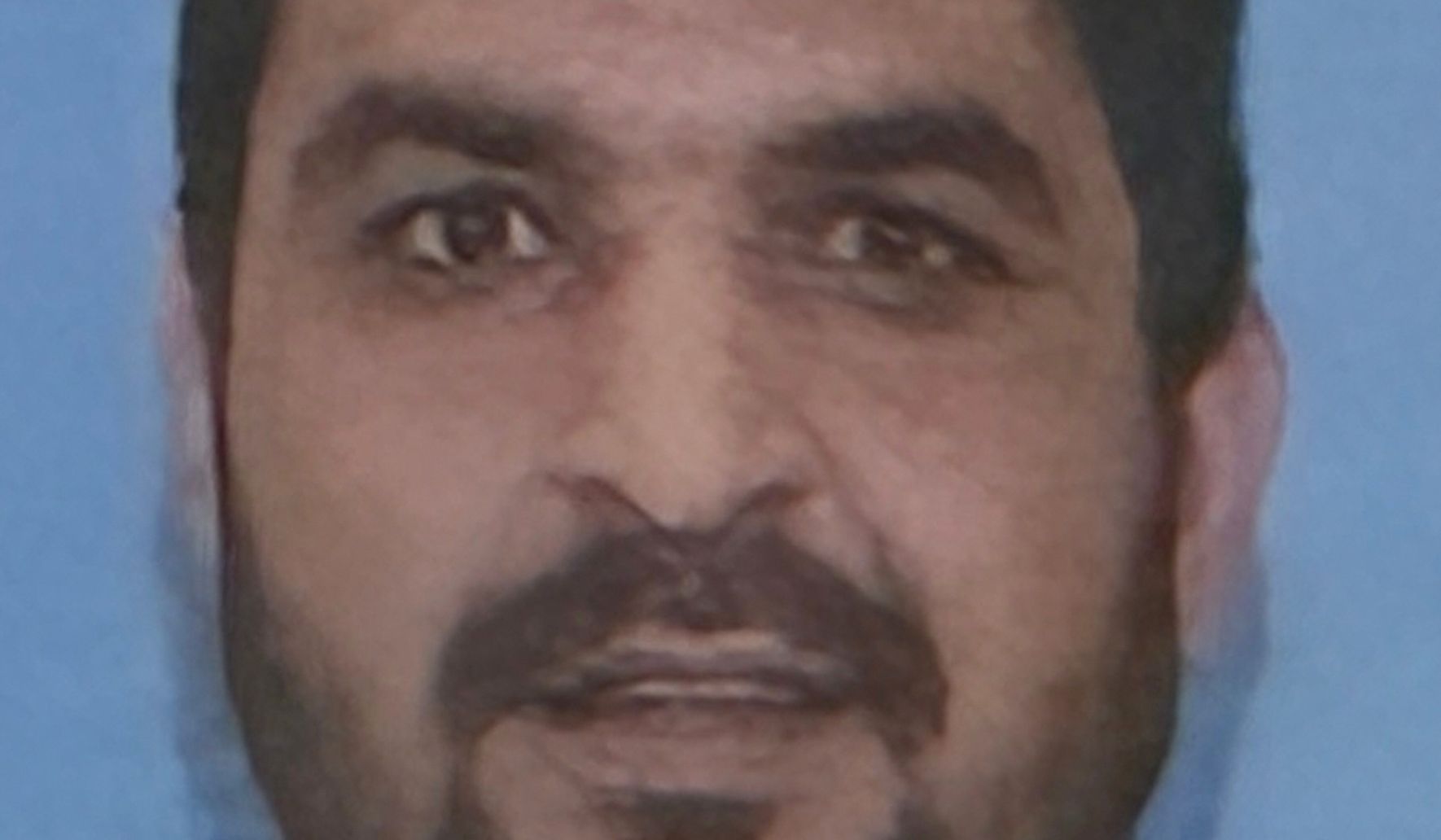
The man accused of shooting two West Virginia National Guard members in the District of Columbia last week pleaded not guilty to murder, and the case is moving through the courts as investigators and prosecutors gather evidence.
The man accused of shooting two West Virginia National Guard members in the District of Columbia last week pleaded not guilty to murder. That formal plea came during an initial court appearance where the judge set the next steps for pretrial proceedings. Local prosecutors say they will present the case to a grand jury while defense counsel prepares motions and evaluates evidence. The plea does not resolve the factual questions investigators must still answer.
Authorities in the District of Columbia have taken the lead on the criminal investigation since the incident occurred within city limits. Police are collaborating with federal and state military contacts to coordinate evidence collection and witness interviews. That cooperation is typical when members of the National Guard are involved and multiple jurisdictions have an interest. Officials say procedural coordination is ongoing as the case advances.
Charging someone with murder requires prosecutors to show intent and causation beyond a reasonable doubt, and a not guilty plea is the usual next step in that adversarial process. The defense has not waived any rights and will have access to the discovery the prosecution compiles. Pretrial motions could include challenges to evidence, requests for additional information, or arguments over jurisdictional issues. Those filings often shape what jurors will eventually see at trial.
Investigators reported they are reviewing surveillance footage, witness statements, and physical evidence recovered at the scene, and those elements will form the backbone of the prosecution’s case. Ballistics, forensic analysis, and timelines constructed from cellular or camera data are commonly used in these probes. Both sides will likely call experts to interpret technical findings if the matter goes to trial. The public record so far is limited to filings and statements from law enforcement and court appearances.
Families of the National Guard members and colleagues have been notified, and military officials are coordinating support services for those affected. The presence of service members in the incident adds layers of institutional concern about safety and the welfare of personnel. Military leadership typically conducts its own administrative review separate from the criminal proceedings to determine any internal actions required. That process may run parallel to, but distinct from, the city’s criminal justice response.
Community reactions in the neighborhood where the shooting occurred have been cautious, with residents seeking answers while officials appeal for calm and patience. Local leaders often request transparent updates so residents understand public safety steps and investigative timelines. Police presence and temporary security measures are common in the immediate aftermath of a violent incident until investigators complete on-scene work. Public trust in the investigative process hinges on clear communication and competent handling of evidence.
Legal analysts note that an early not guilty plea is procedural and does not predict the final outcome, since the discovery phase can change how both sides view the case. Prosecutors will weigh whether to pursue an indictment based on the strength of the evidence, and defense teams will look for weaknesses they can exploit. If indicted, the case could proceed to trial unless resolved through a plea agreement, though there is no indication either side is seeking a quick resolution. The timeline could stretch for months as motions, hearings, and scheduling considerations play out.
In the coming weeks, court filings will provide more detail about the charges and the evidence both sides intend to use, and future hearings will set deadlines for motions and trial preparation. Authorities have reiterated that they will release information when appropriate and legally permitted, balancing transparency with the integrity of the investigation. Observers and stakeholders are watching both the criminal and administrative tracks closely, as each will influence how the matter is finally resolved.

