

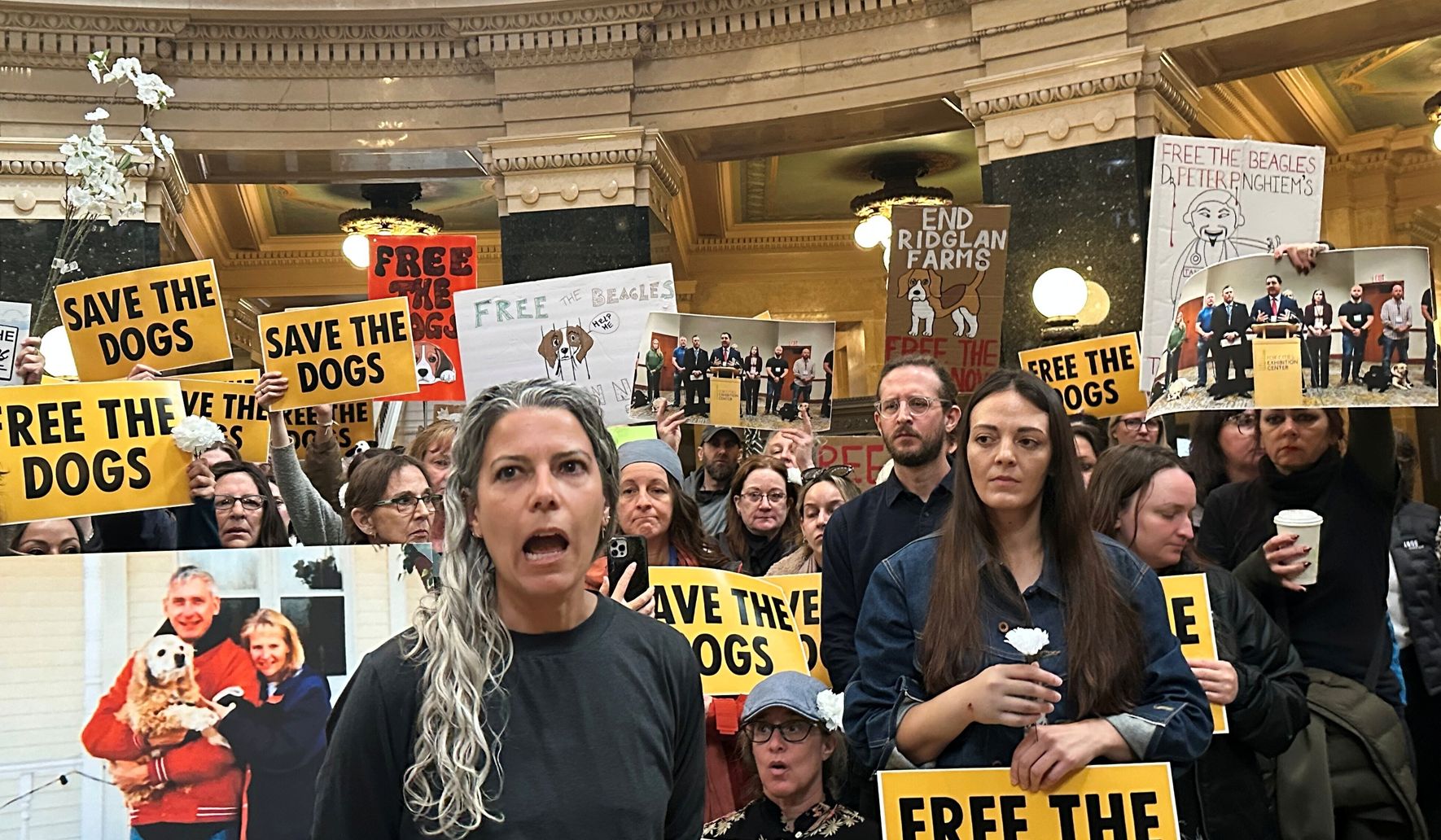
Animal welfare activists gathered outside Wisconsin Gov. Tony Evers’ Capitol office on Monday, chanting “Free the dogs!” and pressing the governor and attorney general to take action while drawing sharp reactions from local leaders and residents about priorities and process.
Activists converged at the Capitol to make a loud, public demand that officials respond. They chanted “Free the dogs!” as they pressed the point, creating a scene that drew attention from passersby and media. The protest highlighted the emotional energy behind animal welfare causes and the impatience many feel when they believe the system is not acting fast enough.
The setting was Wisconsin’s state Capitol and the target was clear: Governor Tony Evers and the attorney general. Demonstrators wanted visible movement from elected officials, and they made no effort to hide their frustration. Their presence put lawmakers on notice that voters are watching how sensitive issues are handled.
From a Republican perspective, public protests are a legitimate form of expression, but they do not replace legal process. Laws exist to balance compassion with property rights and due process, and officials must follow those laws. Demand for immediate fixes is understandable, but elected leaders have responsibilities to act within legal frameworks and to protect broad public interests.
Local officials faced a difficult task: respond to a vocal public while preserving the rule of law. The attorney general’s office and the governor must weigh public safety, liability, and legal remedies when deciding how to proceed. Kneejerk decisions made for optics can backfire, costing taxpayers money and exposing the state to legal challenges.
Residents watching the scene had mixed reactions, from sympathy for animals to concern about how protests disrupt city functions. Many support stronger animal protections, but they also want sensible enforcement that respects private property and established procedures. That tension between moral urgency and legal order is at the heart of these disputes.
Republicans argue that enforcement starts with clear laws and strong local prosecutions, not dramatic demonstrations aimed at pressuring officials into hasty moves. The right approach is to fund and empower local law enforcement and prosecutors to handle cruelty cases efficiently. Quick headlines do not substitute for building long-term capacity to prevent abuse and ensure proper custody decisions.
There is also the question of resources and prioritization in state government. Governors and attorneys general juggle many responsibilities, from economic policy to emergency response, and they must allocate staff and funds accordingly. Advocates can make compelling moral cases, but they also need to present workable plans that fit within the constraints of budgets and statutes.
The protest underscored a broader cultural divide over how to handle emotionally charged issues in public life. One side seeks immediate, visible action and dramatic rescues. The other side insists on process and precedent, arguing that good outcomes require adherence to law and careful coordination among agencies. Both impulses matter, but governing requires insisting on the institutions that make fair outcomes possible.
At the end of the day, elected officials in Wisconsin will have to respond in ways that respect the law while addressing public concern. Officials who ignore the depth of feeling around issues like animal welfare risk political consequences. Officials who act without legal footing invite litigation and chaos, which can harm the very animals activists aim to protect.

