

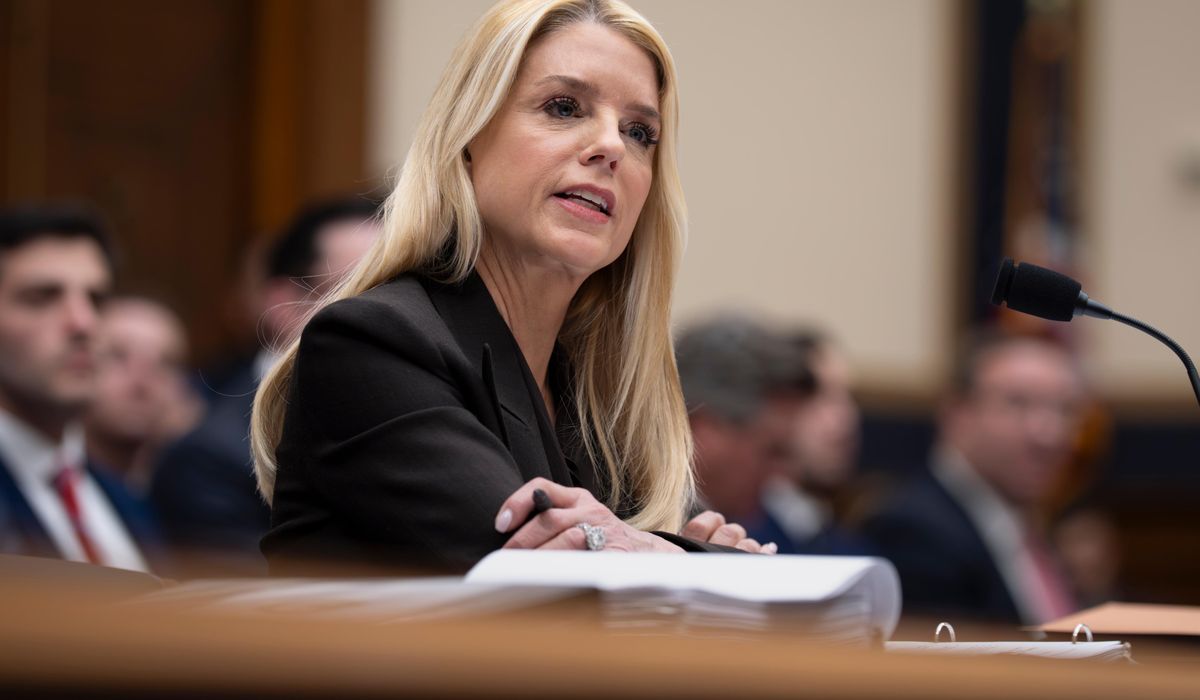
Attorney General Pam Bondi relocated to a secure military base in the Washington area after receiving threats from drug cartels and from people angered over her handling of the Jeffrey Epstein case.
Attorney General Pam Bondi has moved to a secure military facility in the Washington area following threats tied to drug cartels and to critics upset with her actions related to Jeffrey Epstein. The decision reflects a response to credible safety concerns rather than a political stunt. Officials handling such situations treat threats seriously, and this move is consistent with protecting a high-profile legal official. The core facts are straightforward: threats were made, and she relocated for security reasons.
Security for federal and state officials is not optional when risk rises, and that reality matters to voters who value rule of law. When an attorney general faces danger from organized criminal groups like cartels, the state must respond decisively. At the same time, public scrutiny over past decisions, including prosecutions and settlements, can fuel heated rhetoric that crosses into threats. Both sources of pressure underscore why secure relocation was necessary.
From a Republican perspective, respecting the safety of officials should be bipartisan and immediate. Officials who enforce the law deserve protection, and ensuring that protection is in place is a basic function of government. Protecting an attorney general does not mean excusing past choices or avoiding accountability. It means prioritizing safety so legal processes can continue without intimidation or violence.
Discussion about how the Jeffrey Epstein matter was handled is valid, but threats are never an appropriate response. Law and order must prevail even when people are angry and demand answers. The presence of cartel-linked threats adds a layer of criminal menace that goes beyond political disagreement and into the realm of organized violence. That difference should guide how we respond and discuss the matter publicly.
The move to a military base in the Washington area signals that authorities assessed the threat level as serious enough to require controlled, secure accommodations. Military facilities offer logistical and security advantages that civilian locations often do not. For an official under direct threat, those advantages can be lifesaving and allow them to continue essential duties. It also gives law enforcement time to investigate the origin and credibility of the threats.
Voters who want transparency and accountability should also insist on safety for those doing the job. It is reasonable to press for information about decisions in the Epstein case without crossing into harassment or danger. Elected officials must face scrutiny through legal channels and the ballot box, not threats or intimidation. Safe, orderly processes for review and reform protect both citizens and the institutions that serve them.
Political leaders and media voices have responsibility too, because rhetoric influences behavior. Calm, factual discussion reduces the chance of escalation and helps focus attention on legitimate reforms. When partisan attacks blur into personal threats, it weakens public trust and invites criminal actors to exploit divisions. Emphasizing decorum while demanding answers is a practical way to uphold both safety and accountability.
Relocation for security reasons is a sober reminder of the risks public servants face in a polarized environment where organized crime and intense public outrage can overlap. The priority should be to ensure safety, allow investigations to proceed, and pursue any necessary legal or procedural reviews through established channels. Protecting officials is not about shielding them from criticism; it is about preserving the conditions that let justice be pursued without fear.

