

The article examines reports that Secret Service agents leaked details of Vice President JD Vance’s family’s travel and routines to a left-leaning outlet, the potential violation of post-2012 nondisclosure rules, and the broader security and political implications of those disclosures.
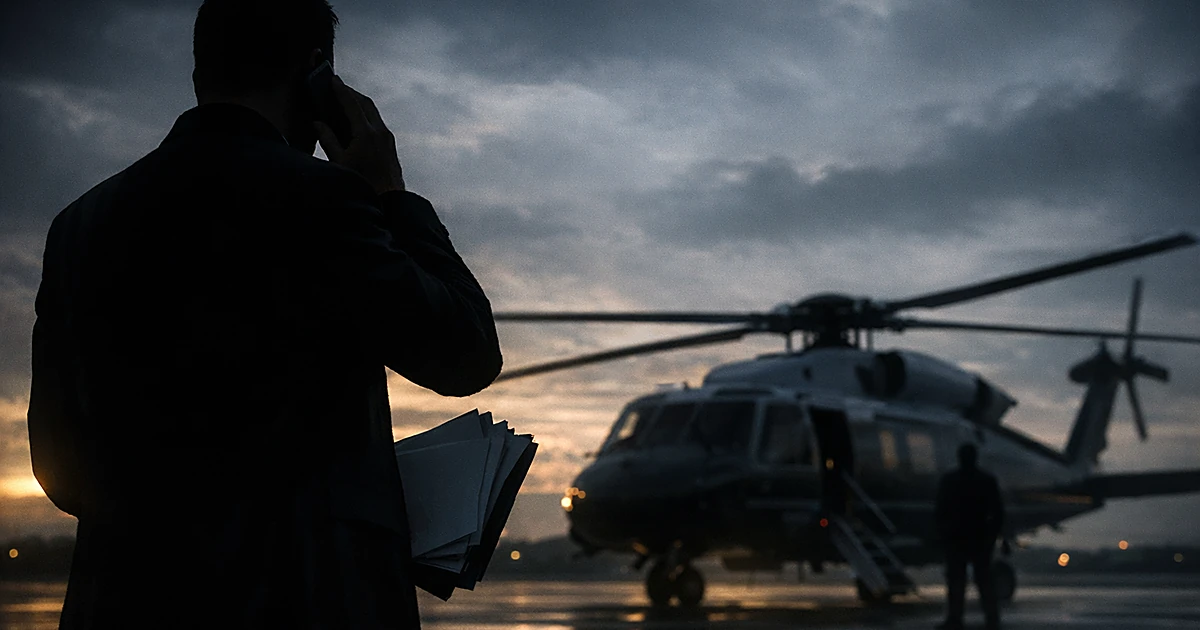
Agents assigned to protect Vice President JD Vance and his young family are accused of sharing private movement details with a left-leaning outlet called MSNow, according to reporting that relies on anonymous current and former staffers. The alleged leaks include a planned helicopter trip that would have taken the vice president’s elementary-school-age son to a golf lesson at Joint Base Andrews. If true, those disclosures would clash with nondisclosure rules the Secret Service tightened after a major scandal in 2012.
MSNow described its sources as “two people and an additional source with knowledge of their travel,” and the story leaned on anonymous complaints about last-minute schedule changes and personal trips. One quoted reaction in the piece read, “That is RIDICULOUS. Pence and Harris never pulled anything like that.” Another anonymous source told the outlet bluntly, “They change everything. They don’t stick to their schedules, and that costs s***-tons of taxpayer money.” Those direct quotes are central to the story’s tone and the charges being leveled.
An administration official pushed back on the characterization and argued that using Marine Two for a short trip from the Naval Observatory to Joint Base Andrews is an operational choice meant to avoid widespread road closures and keep movements on secure military property. The official also said the planned flight was canceled due to weather, which complicates the narrative that this was a frivolous use of resources rather than a security-driven decision. That dispute illustrates the gap between how protectees and some agents see routine protections.
Second Lady Usha Vance explained the practical trade-offs in a media interview, noting how motorcades can disrupt ordinary worship services and public life. She said, “A motorcade just shuts down streets, right? It means sometimes people can’t get into Mass when they arrive. It means that you have people trickling in after the start because they’re being put through magnetometers, and so we try, especially, we try with timing of Mass and location and everything to mitigate all of these discomforts for all the other people who are just trying to live their lives.” That comment underscores why protectees and an agency might choose alternatives to ground convoys.
The leaks outlined by MSNow go beyond strategy complaints and include mundane family movements, like weekend trips to Middleburg, Virginia, and potential house-hunting there. The fact that agents felt comfortable sharing those personal details with reporters shows how wide the breach of discretion may be. These are not policy disagreements on protective doctrine; they are the private routines of a family with young children being disclosed outside official channels.
After an embarrassing 2012 scandal, the Secret Service adopted strict nondisclosure agreements for all employees, with warnings that violations could lead to termination or criminal prosecution. The policy exists to keep protectees’ schedules, travel routes, and family routines from being exposed, and it was specifically aimed at preventing leaks like those attributed to MSNow’s sources. Whether anyone will face discipline this time is unclear, and the agency has not released a public account tied to the MSNow story.
Earlier this year the agency faced a similar breach when an agent named Tomas Escotto was placed on administrative leave after being secretly recorded by a woman working for a media company. Investigators say he disclosed protective formations, shift schedules, travel plans, real-time locations, and even images from aboard Air Force Two while believing he was speaking privately. The deputy director publicly apologized, saying, “The U.S. Secret Service deeply apologizes to the Vance family for this violation of their trust and privacy,” and the agency suspended the agent’s clearance, revoked facility access, and ordered retraining.
That recent episode should have been a warning that internal discipline needed to stick. If agents on the same detail are now leaking anonymously to embarrass the vice president, it suggests the earlier corrective steps did not take hold. Leaks that expose where a child goes and how a family moves are not office gossip; they undermine trust in an institution sworn to protect citizens and leaders alike.
Vance’s profile complicates matters. He carries a significant diplomatic portfolio and is widely discussed as a figure in the coming Republican presidential primary, which makes him a natural focus for political attacks. When leaks come from inside the protective apparatus, however, the threat level changes. A channel that starts with weekend plans can quickly become one that feeds more sensitive operational information to hostile outlets or adversaries.
The Justice Department has treated unauthorized disclosures about presidential security as serious, pursuing subpoenas in other cases tied to sensitive material, and the Secret Service itself has had public friction with other agencies over premature disclosures. Those dynamics increase the stakes when internal staffers decide to share protected details with reporters instead of following established reporting lines and legal requirements.
Key questions remain unanswered: Has the Secret Service opened a formal investigation into the MSNow disclosures, and have agents been interviewed, disciplined, or reassigned? Did MSNow seek comment from the agency before publishing, and what response was given? The outlet behind the story is not widely known, and its reliance on anonymous sources mirrors past incidents that led to serious breaches.
Leaking a child’s helicopter ride, a family’s trips to the countryside, or the timing of routine outings is not a transparency win. It is a betrayal of the mission and the agreements agents signed to protect citizens and leaders. If those responsible are not identified and held accountable, the only message left is that leaking is tolerated until someone gets caught on camera, and that would be a dangerous standard for any security service to live by.

