

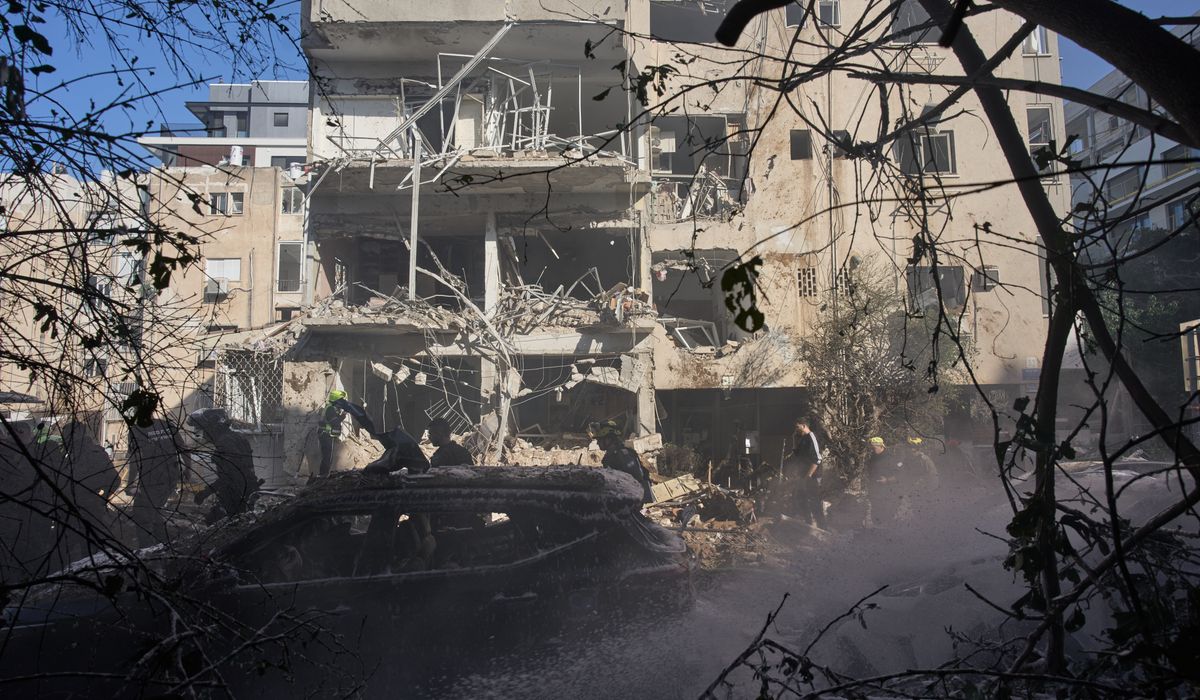
Airstrikes hit Iran as drones struck Tel Aviv and other Mideast sites on Tuesday, even as President Trump said the United States was in talks with Israel.
A heavy exchange of strikes swept the region Tuesday, with air attacks hitting inside Iran and Iranian missiles reported in the same timeframe. At the same time, drones struck Israel’s Tel Aviv and multiple locations across the broader Mideast. President Trump said the United States was in talks with Israel, signaling diplomatic channels were active amid the military moves.
The sequence of events shows a volatile, fast-moving landscape where action and negotiation are running in parallel. Air operations and missile launches raise the risk of broader confrontation, and drone strikes inside Israeli airspace underline how quickly incidents can escalate. This moment tests the will and clarity of Western allies who back Israel while trying to avoid a full regional war.
From a Republican perspective, the priority is clear: back our ally, protect civilians, and deter further Iranian aggression. Israel has a right to defend its citizens when drones and missiles cross its skies or target cities like Tel Aviv. At the same time, decisive action can serve as a deterrent against future attacks and make clear that destabilizing behavior will have consequences.
U.S. involvement, described by the White House as active talks with Israel, reflects the role America traditionally plays in crises like this. Diplomatic engagement must be paired with credible deterrence so enemies understand the costs of further escalation. Republican policymakers typically favor strong, visible support for partners on the ground while keeping clear lines for retaliation against actors who threaten regional order.
Lebanon, Syria and other neighboring states now watch closely, because any spillover threatens to widen the fight. Proxy networks and militias aligned with Tehran can turn localized strikes into multi-front confrontations. That danger requires coordinated intelligence and a willingness to target the sources of aggression, not just the immediate launches or drones themselves.
Economic and strategic repercussions are already in play, with markets and shipping lanes sensitive to instability in the region. Disruption to oil transit, airline routes, and investor confidence can ripple globally, making it even more important for Western governments to act responsibly yet firmly. History shows that hesitation can be interpreted as weakness, which can invite more adventurism from bad actors.
Israel’s military response capacity and readiness remain central to any short-term stabilization. Precision strikes and defensive systems aim to limit civilian harm while degrading adversary capabilities. Those defensive measures, allied with American intelligence and logistics, are designed to restore a deterrent balance without bogging the U.S. into prolonged ground combat.
Messaging matters as much as munition choices in these hours, because public support hinges on confidence that leaders are protecting national and allied security. Clear, consistent communication about objectives and red lines helps prevent miscalculation by opponents. Republicans generally emphasize transparency about strategic aims while avoiding premature concessions that could embolden future attacks.
Iran’s regional posture remains the underlying problem: backing proxies, advancing missile and drone tech, and testing international resolve. The response should aim to roll back immediate threats and reduce Iran’s capacity to project violence while leaving room for diplomatic pressure. Sanctions, targeted strikes on operational assets, and coalition-building are tools to accomplish that without inviting unnecessary wider conflict.
Humanitarian fallout must be managed even as military and diplomatic pressure mounts, because civilian suffering can deepen crisis and complicate political objectives. Aid channels, deconfliction lines and neutral observers can limit unintended damage while keeping focus on the actors who chose aggression. In a volatile stretch like this, the goal is to restore stability quickly and in a way that defends allies and American interests.
The coming days will test whether talks and deterrence can work together to stop further strikes and bring a measure of calm. Republican leaders will push for continued support for Israel, robust pressure on Iran, and clear rules of engagement that prevent escalation while preserving the option to act decisively. The region remains dangerous, but coordinated strength and steady diplomacy offer the best chance to manage this crisis without letting it spin into a wider war.

