

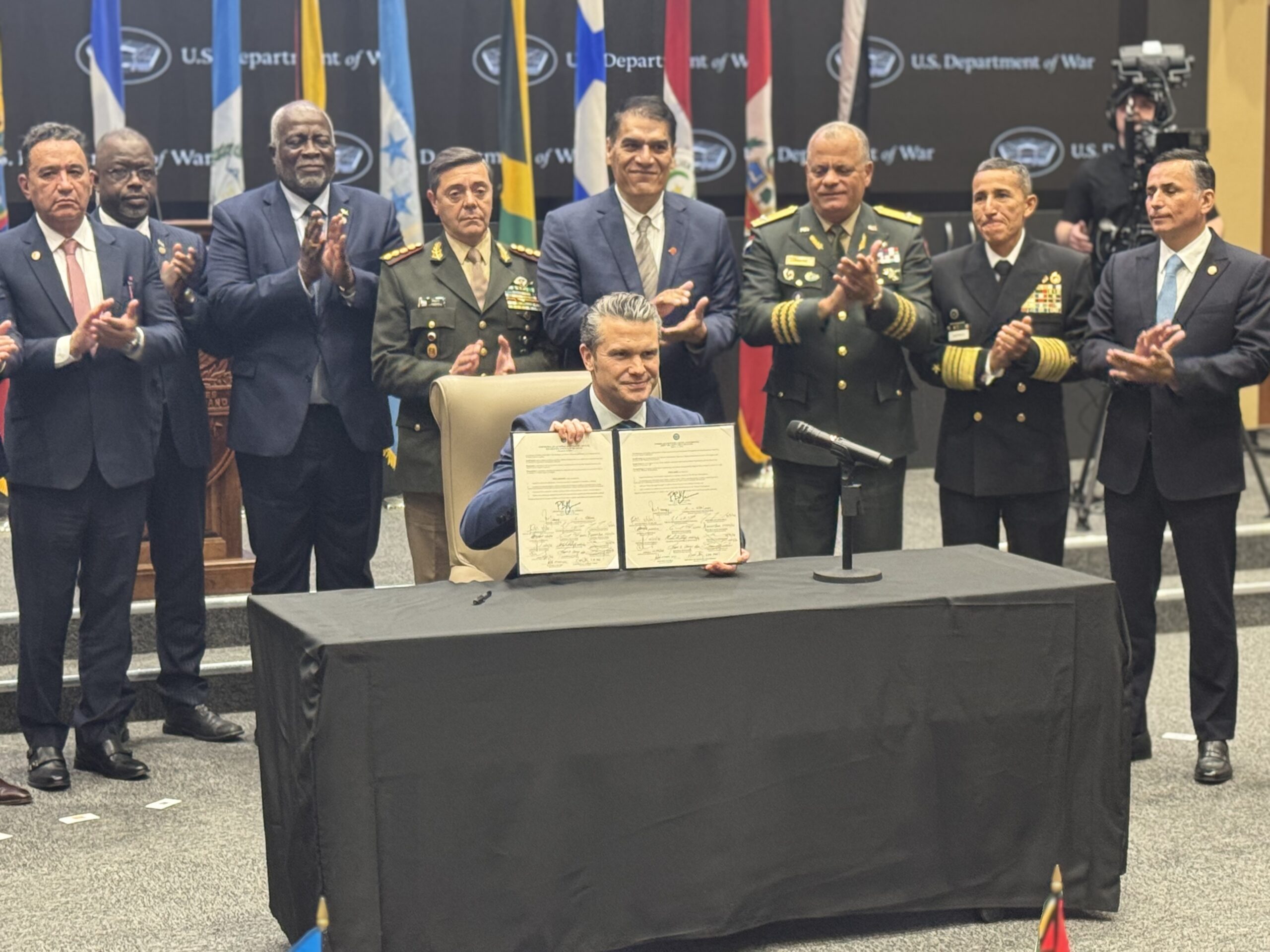
The Americas Counter Cartel Conference Joint Security Declaration sets out a regional push to tackle narcoterrorism through stronger cooperation, clearer responsibilities, and practical enforcement strategies.
The Americas Counter Cartel Conference Joint Security Declaration aims to ‘expand multilateral and bilateral cooperation’ in the hemisphere to combat narcoterrorism and other security threats. That line is more than diplomatic wording; it signals a renewed focus on combining resources and intelligence across borders. From a practical standpoint, cooperation has to deliver arrests, seizures, and broken funding chains rather than just meetings and memorandums.
Republican perspectives stress that cooperation must start with secure borders and robust law enforcement. If countries do not secure their own entry points and shore up domestic institutions, multilateral efforts will falter. True progress demands partners willing to accept accountability and to act decisively when cartels exploit weak governance.
Intelligence sharing is a core element, but it must be timely and actionable. Passing information is not enough if it arrives too late or lacks operational follow-up. Coordinated interdiction operations and synchronized legal processes turn raw data into arrests and prosecutions.
Financial disruption of cartels has to be central to any successful strategy. Cartels thrive on complex money laundering schemes that cross jurisdictions, and cutting off those flows requires bank cooperation, sanctions, and targeted asset seizures. Republicans will argue for stronger penalties and better tools to trace illicit finances back to the criminal networks that benefit most from drug profits.
Capacity building should be practical and performance-based, not open-ended aid that lacks measurable outcomes. Training, equipment, and legal support must come with clear benchmarks and oversight. Partners need to show measurable improvements in investigations, prosecutions, and border control to justify continued assistance.
Accountability is another nonnegotiable. When governments tolerate corruption or fail to prosecute officials who collude with organized crime, international cooperation loses its value. A joint declaration should include mechanisms to identify corruption risks and to prioritize assistance to institutions that demonstrate integrity and results.
Operational coordination must also work on the ground. Joint patrols, shared maritime assets, and synchronized air interdiction yield immediate benefits when properly planned. These actions should be supported by legal frameworks that allow evidence collected in one country to be used effectively in another’s courts.
Diplomacy has its role, but it cannot replace law enforcement. The declaration should be a framework for action rather than a cover for endless talks. Republicans will insist that diplomacy supports, rather than substitutes for, decisive police work and judicial follow-through.
Community-level prevention and demand reduction are long-range investments that complement enforcement. Reducing domestic demand for illegal drugs in consuming countries shrinks cartel markets and strengthens the impact of interdiction efforts. These programs must be evidence-based and designed to produce measurable drops in consumption.
Finally, this declaration needs clarity on metrics and timelines. Goals without deadlines become vague commitments that fail to change behavior. If the hemisphere is serious about defeating narcoterrorism, the Joint Security Declaration must translate into a plan with milestones, transparent reporting, and consequences for failure.

