

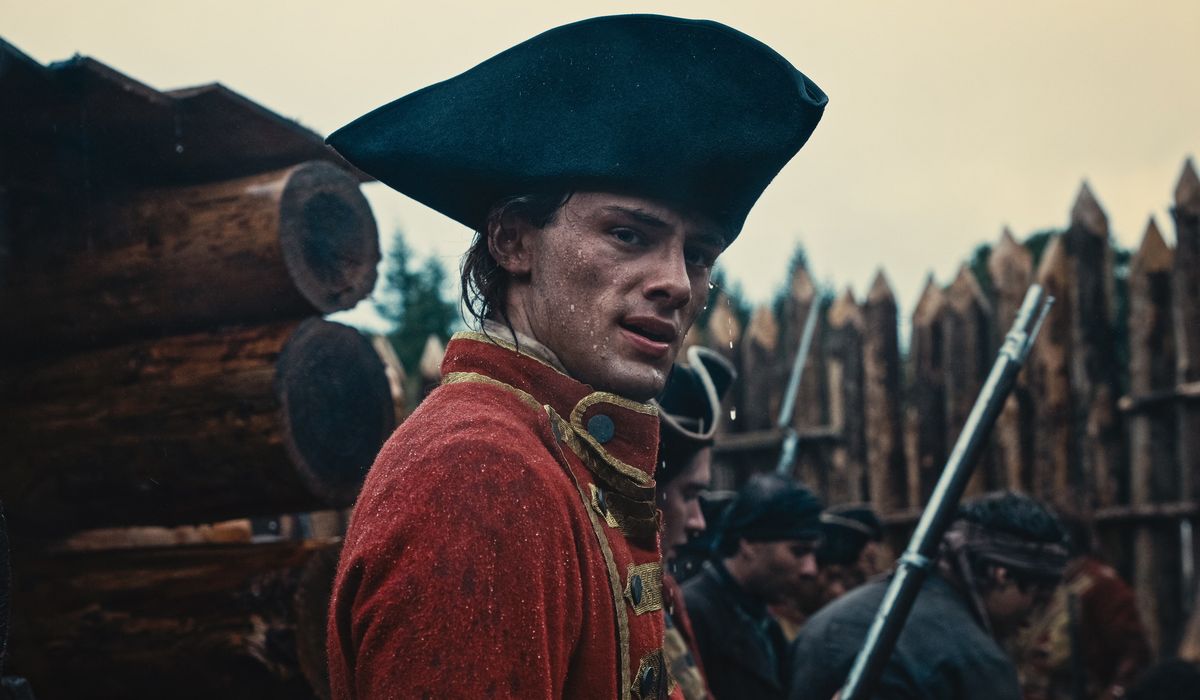
Angel Studios’ historical drama “Young Washington” far exceeded pre-release expectations over the July Fourth weekend, prompting director Jon Erwin to announce a sequel before the film
Angel Studios’ historical drama “Young Washington” surprised many by outpacing pre-release expectations during the July Fourth weekend, and director Jon Erwin responded quickly by announcing a sequel ahead of the film’s full run. That early green light sent a clear signal about the film’s momentum and how the studio views audience appetite for historical storytelling. The announcement itself created a buzz that extended beyond the usual fan circles and into broader cultural conversations.
The timing of the sequel news mattered because it came before the weekend’s final tallies had fully settled, which is uncommon in mainstream releases. Studios normally wait for established results before committing to follow-ups, but Angel Studios moved with confidence. That choice framed the film not just as a one-off release but as the beginning of a larger creative push centered on a familiar American figure.
Early reactions to “Young Washington” mixed curiosity with enthusiasm, and the buzz fed itself across social channels and word of mouth. The film’s subject matter—an origin story tied to a pivotal national figure—gave people a narrative hook that felt accessible and timely. That combination of subject and momentum made a sequel announcement seem less risky to the studio and its filmmakers.
Jon Erwin has built a reputation for leaning into stories that speak to a wide audience while keeping a strong creative voice at the center. Announcing a sequel before the film had finished its initial weekend suggested confidence in both the material and the team behind it. It also put pressure on the sequel to justify the early optimism and deliver something fresh while staying true to the original’s tone.
From a production standpoint, early sequel planning can be a tactical advantage, allowing the team to lock in talent, locations, and scheduling before availability becomes an issue. That forward motion can cut costs and keep creative momentum intact. For viewers, it creates an expectation that the world built in the first film will expand rather than wrap up neatly in a single entry.
For Angel Studios, which has been experimenting with different distribution approaches and community-driven campaigns, “Young Washington” offered another data point on what audiences will support. The studio’s model often relies on building a committed base before and during release, and a sequel announcement helps crystallize that base into a longer-term franchise relationship. That can shift how the company approaches future projects.
The film’s subject matter naturally invites debate about historical interpretation and the balance between dramatization and accuracy. A sequel raises the stakes for how the story continues to be framed and which episodes of the central figure’s life are selected for dramatization. Filmmakers will face choices about tone, focus, and which themes to emphasize going forward.
Audience expectations will play a key role in shaping those creative choices, especially now that a sequel is on the table. Viewers who connected with the first film will want deeper character work and new stakes, while skeptics will watch to see whether the follow-up feels necessary or merely opportunistic. The studio and filmmakers will need to navigate those competing demands carefully.
From a cultural angle, the quick sequel announcement signals that certain historical narratives still have commercial and conversational currency. Whether the film’s success represents a broader trend in audience tastes or a momentary spike will depend on how the sequel performs and whether other studios follow suit. For now, the reaction to “Young Washington” feels like a reminder that origin stories can still capture attention when they are told with clarity and conviction.
The decision to move ahead with another installment also reshapes the conversation around release strategy and risk-taking in film production. It shows how a single weekend of strong performance, even before all the numbers are in, can change a project’s trajectory. As the sequel moves from idea to planning, it will be interesting to see how the creative team balances fan expectations with fresh storytelling choices.

