

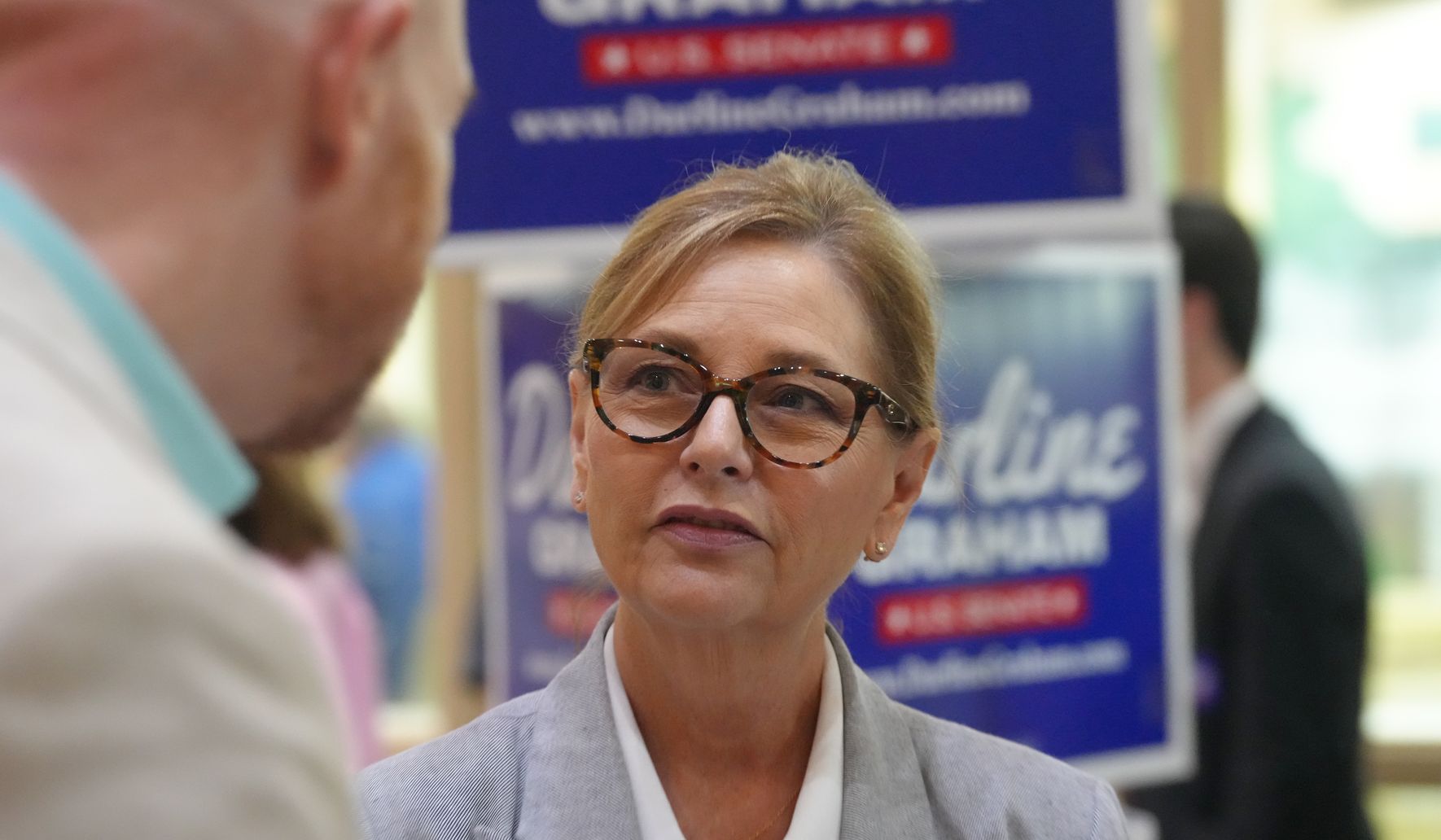
Sen. Darline Graham stepped onto a South Carolina stage in front of hundreds of Republican voters and delivered a clear, no-nonsense opening that set the tone for what she plans to bring to the table.
Sen. Darline Graham made her political debut before hundreds of Republican voters in South Carolina on Saturday. The room felt charged and intentional, with attendees responding to a mix of plainspoken conservatism and concrete policy language. Her appearance signaled a new presence in the state GOP scene and a readiness to engage voters face to face.
Graham talked about priorities that resonate with the Republican base: secure borders, lower taxes, and a strong economy that rewards work and risk. She framed those priorities as common-sense solutions rather than abstract promises, leaning on practical examples and a straightforward tone. For many in the crowd, that approach felt familiar and reassuring.
The crowd reaction was immediate and vocal, a reminder that local engagement still matters in politics. Supporters appreciated Graham’s emphasis on accountability and local control, themes that carry weight across South Carolina. Remarkable turnout for a debut event underscored how competitive the terrain is and how ready voters are to hear alternatives.
On the economy, Graham argued for pro-growth policies that reduce needless regulation and free entrepreneurs to create jobs. She tied tax relief to family budgets and small businesses rather than complex policy wonkery, keeping the message grounded and relatable. That practical framing resonated with listeners who want results, not just rhetoric.
When she addressed national security and immigration, Graham was direct about the need for firm border control and smarter enforcement. She framed these issues as matters of law, order, and respect for citizens who play by the rules. The argument was made in plain terms: secure borders protect wages, communities, and the rule of law.
Graham also spoke to cultural concerns that matter to Republican voters, including support for law enforcement, school choice, and parental rights in education. Her message leaned on empowering families and local officials instead of expanding federal reach. That local-first view appeals to voters tired of one-size-fits-all solutions from Washington.
Campaign strategy earned attention too, as Graham highlighted grassroots organizing, direct voter contact, and a disciplined communications plan. She emphasized boots-on-the-ground campaigning over glossy ads, putting a premium on listening to voters in every county. This combination of retail politics and disciplined messaging aims to convert enthusiasm into reliable support.
Several local leaders and activists in attendance praised the clarity of her vision and the energy she brought to the stage. Their endorsements — framed around trust and competence — gave her initial momentum without the noise of big-money theatrics. For a swing at higher office, those early, authentic connections often matter most.
On fiscal responsibility, Graham was unapologetic about reigning in spending and protecting taxpayers from open-ended government programs. She argued that budgeting discipline is a moral as well as a fiscal imperative, and she urged lawmakers to think long-term about debt and intergenerational fairness. That argument landed with voters who see unchecked spending as a threat to future prosperity.
Energy and national resilience were part of her pitch, with a clear preference for American energy independence and support for domestic producers. Graham framed energy policy around jobs, security, and lowering costs for families, rejecting policies that she said outsource production or raise consumer bills. The message fit neatly into a broader vision of economic strength and practical leadership.
Throughout the event, Graham’s tone balanced forcefulness with affability, projecting a readiness to fight and to build. She repeatedly returned to the idea that conservative principles are not abstract ideals but tools to improve everyday life for hardworking Americans. That blend of conviction and practicality is likely to define her campaign moving forward.
Voters left the hall talking about specifics: proposals they could picture affecting their community, not just campaign slogans. That kind of tangible conversation is exactly what campaign teams hope for when launching a candidacy in a state as consequential as South Carolina. For now, Graham’s debut has put her on the map and set expectations for a disciplined, ground-level campaign built on conservative priorities.

