

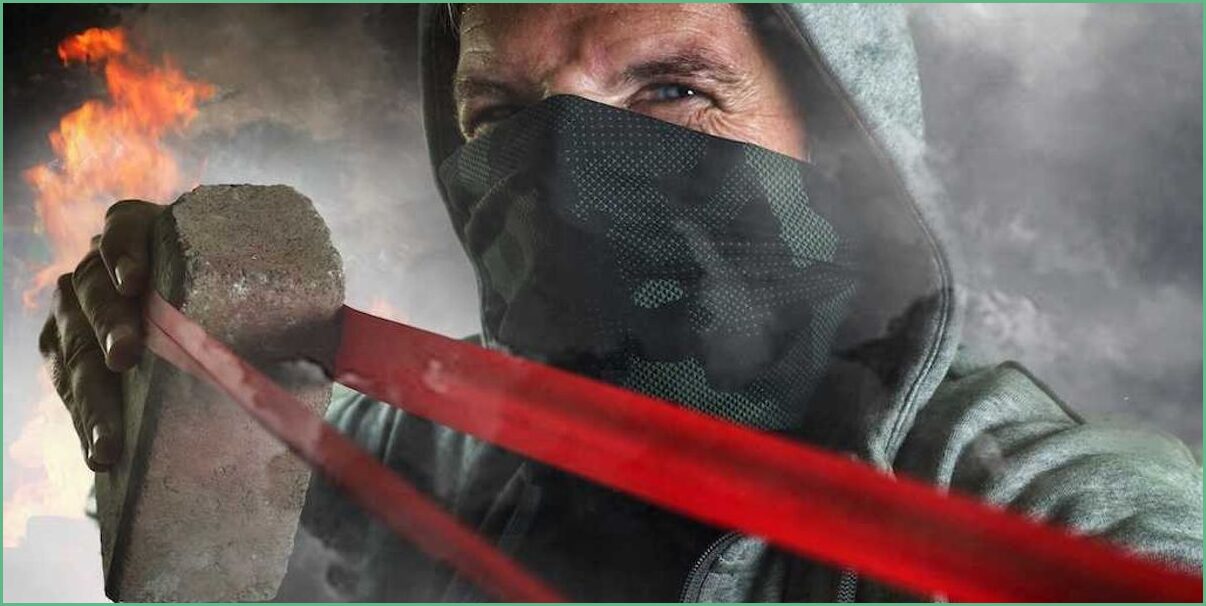
How Radical Professors Turn Classrooms Into Training Grounds for Antifa
President Donald Trump announced last month on Truth Social that he would designate Antifa as a “major terrorist organization.” That move followed the assassination of Charlie Kirk, in which the alleged shooter etched Antifa-linked slogans onto bullet casings. The designation was overdue, but it is only the opening salvo in a much larger fight over the institutions that shape young minds.
The deeper problem is not just violent cells on the street. It is the slow, institutional capture of higher education by activists who present recruitment as research and agitation as pedagogy. For more than a decade, an ecosystem of sympathetic professors, courses, and academic output has normalized radical tactics and ideas.
“Studying radical groups is not the problem. The problem is activist educators who weaponize academic freedom.”
Radicalized classrooms
Take Mark Bray, author of “Antifa: The Anti-Fascist Handbook,” who was profiled by university media with glowing language that smoothed over the movement’s violent edges. Bray frames Antifa as a group that simply wants to “change the world dramatically,” arguing its “strategic focus” is to shut down the far right and “protect progressive social movements.” That sort of framing is not neutral scholarship; it is advocacy dressed up as expertise.
Across campuses, whole courses now elevate Antifa and allied causes without critical distance. A program labeled “Global Antifa” promises connections to racial justice, anti-imperialism, intersectional feminism, and critiques of capitalism, but in practice such syllabi often double as movement training instead of dispassionate study. When the instructor shares the movement’s goals, the classroom becomes a workshop rather than a lab for inquiry.
At public events and conferences the line between teaching and organizing blurs further, and video clips have shown professors endorsing boycotts and urging civil disobedience in ways that sound like recruiting pitches. In law and social science classrooms, readings routinely include partisan manifestos alongside academic texts, creating an echo chamber where dissenting viewpoints are marginalized. This is not robust debate; it is intellectual triage designed to steer students toward a political outcome.
Syllabi collected from multiple institutions reveal a pattern: required texts that lionize protest tactics, optional readings that dismiss violence as a fringe tactic, and a conspicuous absence of material that questions core assumptions. A “Race and Law” course, for example, stacked its reading list with partisan works and popular agitprop while downplaying competing legal and historical perspectives. When classes substitute indoctrination for analysis, they betray the promise of higher education.
It gets worse when radicalized academic output seeps into teacher training and K-12 pedagogy. What begins as an elective seminar can be amplified by dissertations, conference papers, and curriculum projects that then filter into public schools and community programs. That feedback loop — idea laundering — turns fringe advocacy into seemingly respectable educational practice.
Some graduate work reads more like propaganda than research, admitting Antifa’s embrace of “violence and intimidation” only to minimize it as a marginal or misunderstood impulse. Other papers glide from activist aspiration to curriculum, with titles like “Plantifa: Antifascist Guerrilla Gardening Curriculum” that explicitly link environmentalism to political mobilization. These projects aim to condition students in activism rather than equip them with tools for critical thinking.
Undergraduate courses are not immune. A seminar titled “#Abolish Police” at a major university included units on foreign policy and solidarity campaigns that map directly onto contemporary activism. When elite departments normalize slogans and organize solidarity units, they are grooming a generation to view political confrontation as an acceptable civic strategy. That matters when graduates go on to lead schools, nonprofits, and local government.
At Socialism 2025, CUNY professor Ashley Dawson called for building an explicitly intersectional, abolitionist climate movement, one that targets not only fossil fuel companies but also cultural and financial institutions complicit in militarism and capitalism.
“We need an… pic.twitter.com/7bNu7MmYMH
— Stu Smith (@thestustustudio) July 7, 2025
Cleaning house
President Trump’s terrorist designation is a necessary response to street violence, but regulatory action alone will not fix the labs of radicalization inside campus walls. Universities must renew their commitment to true academic freedom, which protects open inquiry, not political capture by faculty activists. Policies should demand transparency in syllabi, clarity about outside funding, and genuine intellectual pluralism in hiring and curriculum choices.
Reform means holding institutions accountable without trampling free inquiry: enforce existing standards for accreditation, expand protections for students who dissent, and insist that courses labeled as scholarship meet rigorous methodological norms. When universities refuse to distinguish research from recruitment, they forfeit their claim to moral and intellectual authority. The country cannot afford another generation trained to see sabotage as scholarship and street violence as civic education.
Higher education must be reclaimed as a place where ideas are tested, not weaponized. If universities will not police themselves, lawmakers and donors should demand accountability so our campuses stop becoming breeding grounds for movements that seek to tear down, not build up, the American project. The fight for the soul of the nation begins in classrooms, and conservatives should lead the charge to restore integrity, balance, and common sense to our colleges and universities.

