

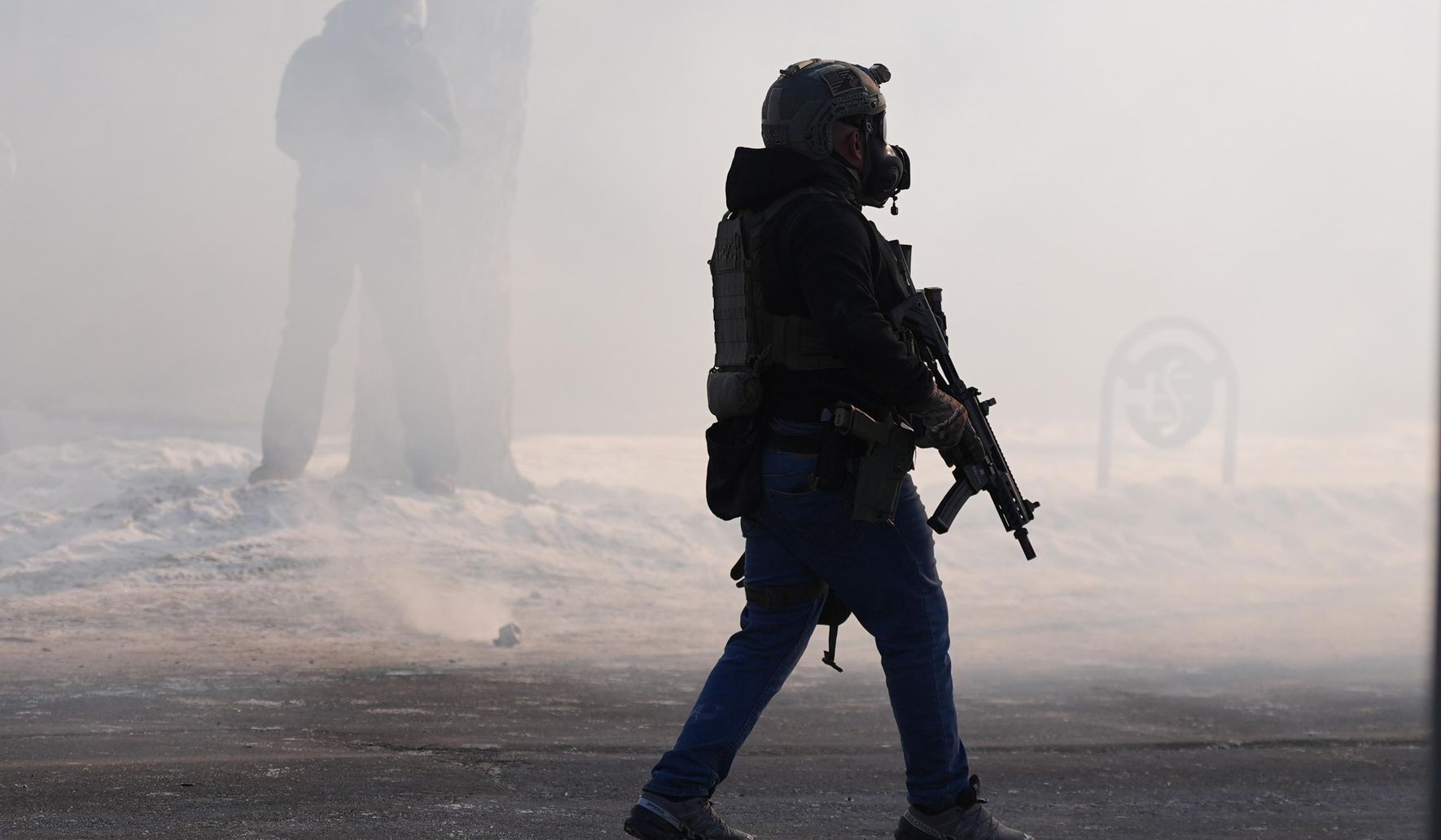
A federal appeals court on Monday set aside limits a lower judge had placed on federal agents and their ability to use crowd control tactics on anti-ICE protesters in Minnesota.
The appeals court decision on Monday lifted restrictions a lower court had imposed on federal agents’ methods for managing protests targeting Immigration and Customs Enforcement operations in Minnesota. That ruling restores broader discretion to federal law enforcement on how to respond when demonstrations interfere with federal duties. Supporters of strong enforcement welcomed the move as a correction to what they saw as judicial micromanagement that left agents hamstrung. Critics argued it could chill protest activity, but the appeals court prioritized operational needs.
At issue was not the right to protest, but how agents can protect personnel, secure facilities, and carry out federal mandates when demonstrations escalate. Law enforcement officials argued that certain crowd control tools and tactics are necessary to prevent obstruction and ensure officers can perform their duties. The lower court’s limits had narrowed those options, creating what some called a dangerous vulnerability during tense confrontations. The appeals court judged that the restrictions went too far in constraining federal authority in the field.
This case highlights the tension between civil disobedience and the need for order when protests target federal operations. Protests aimed at ICE have become a focal point for larger debates over immigration enforcement, sanctuary policies, and the authority of federal agencies. Federal agents operate under specific mandates and often face situations where rapid decisions are necessary to keep people safe and preserve government functions. The appeals court backed the idea that courts should be cautious about second-guessing tactical judgments made on the ground.
Those who support tough immigration enforcement saw the appellate ruling as a reaffirmation of the rule of law and the capacity of federal officers to defend federal operations. From that perspective, limiting crowd control options can translate into real risks for agents and the communities they serve. A restored ability to use proportionate crowd control tools, proponents say, allows officers to deescalate dangerous situations and prevent property damage or unlawful blockades. The appeals court made clear that ensuring agents are not unduly handcuffed by judicial orders is a legitimate concern.
Opponents of the decision warned it could chill protest and grant too much latitude to federal officers in public demonstrations. Civil liberties advocates contended that broad tactical discretion risks overreach and harms free expression. Courts must strike a balance that protects constitutional rights while respecting the need for public safety. The appeals court’s ruling signals a tilt toward operational flexibility, but it does not erase all judicial oversight on how force and tactics are applied.
Legal observers noted that appeals courts often take a different view than trial courts when it comes to issuing sweeping, long-term restrictions on government agencies. Trial courts can impose injunctions intended to prevent immediate harm, but appellate panels sometimes step in to ensure such injunctions do not unduly limit government responsibilities. In this case, the appellate judges weighed the immediate public safety implications against civil liberties concerns and decided the lower-court limits were overly broad. That move returns the issue to the lower court for reconsideration under narrower terms or preserves agency discretion pending further litigation.
For federal agents operating at sites targeted by anti-ICE demonstrators, the decision provides clearer signals about what tactics they may use when necessary. It does not grant carte blanche to ignore constitutional limits, but it does reduce the risk that well-intentioned officers will be constrained at critical moments. Practically speaking, the ruling could change how standoffs are managed, how barriers are used, and how officers coordinate to secure federal functions. The outcome will likely influence training and operational planning in similar protest-prone areas.
The case also matters politically because it touches on how responsive the justice system should be when government operations collide with civic unrest. Republicans and enforcement advocates frame the ruling as supporting order and the proper functioning of government. They argue that protests should not become a tool to halt federal work or endanger officers. Meanwhile, civil liberties groups see continued judicial scrutiny as essential to prevent abuses and defend protest rights.
As this dispute moves forward, expect further legal skirmishes over the boundaries of acceptable crowd control and the appropriate role of courts in policing those boundaries. The appellate ruling sets a precedent that leans toward operational flexibility, but the underlying tensions between protest rights and federal authority remain unresolved. Future decisions and on-the-ground developments will shape how that balance is maintained in Minnesota and beyond.

