

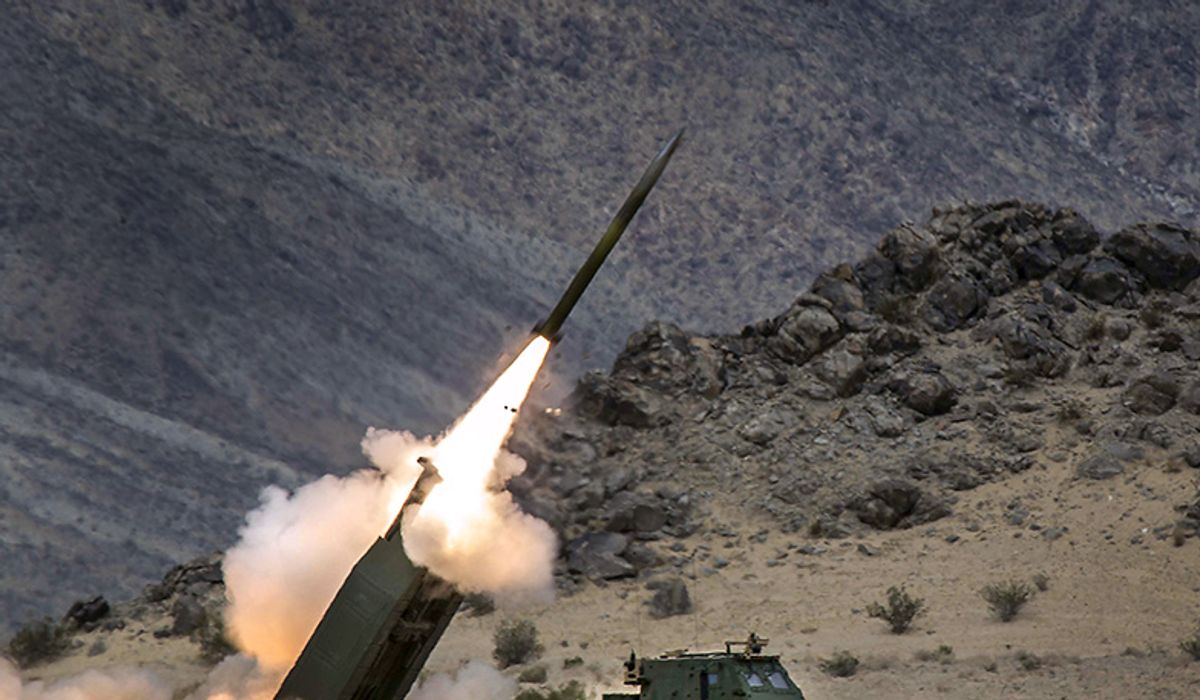
The Army is seeking a defense contractor capable of producing thousands of ground-launched rockets per year for roughly a decade, driven by reports that stockpiles of key munitions are shrinking and readiness is at stake.
The immediate ask is straightforward: scale up production of ground-launched rockets to meet sustained demand over the next ten years, with output measured in the thousands each year. Military leaders say supply levels have become a concern, and the acquisition push reflects that urgency. Lawmakers and industry will both be watching how quickly a vendor can ramp up without sacrificing quality.
Rebuilding munitions stocks is more than just buying boxes of hardware. These rockets require precise manufacturing, specialized propellants, and reliable guidance systems, and those pieces have to come together on a steady schedule. If the Army wants thousands a year for a decade, contractors will need long-term commitments to justify investments in people and plant.
The industrial base matters. Private-sector firms with existing facilities can expand, but that takes skilled workers and stable supply chains for metals, composites, and electronics. A solid industrial plan will rely on incentives and predictable contracts so companies can hire and train technicians instead of running on stopgap orders.
Manufacturing at scale changes risk calculations. Lead times for key components can stretch months or longer, and any single choke point can slow production across the entire program. Contract terms must include clear deliverables, realistic schedules, and penalties for missed milestones to protect taxpayers and ensure munitions reach the force when needed.
From a conservative perspective, relying on American industry is the smart move. Private manufacturers deliver innovation and efficiency when they have the certainty to invest. That means Congress should back funding that is reliable and oversight that is effective, not bureaucratic delays that stall production.
Strategically, replenishing rocket stockpiles strengthens deterrence and gives commanders options they might not otherwise have. Adversaries notice declines in readiness, and a visible industrial response sends a clear message that the United States will maintain credible capabilities. The goal is to make shortages a thing of the past, not a recurring crisis before every contingency.
There will be cost questions, as there should be. Every contract must balance affordability with performance, and competition helps drive both. A Republican approach favors competitive bidding, clear specifications, and follow-through to prevent cost overruns while keeping the supply flowing.
Logistics and stewardship can’t be an afterthought. Once rockets are produced, they need safe storage, regular maintenance, and accountability throughout their service life. Proper depot planning and lifecycle funding protect the investment and preserve readiness across multiple theaters.
Congressional oversight will play a role in shaping the program. Members will ask for timelines, production targets, and independent audits to ensure the taxpayer dollar is well spent. The most effective oversight pairs clear expectations with support for robust domestic manufacturing capacity.
Watch for who wins the contracts, what production schedules look like, and how quickly the supply chain stabilizes. Industry milestones and government audits should be publicly reported so performance is visible. The next year or two will tell whether the Army can turn a procurement push into a lasting increase in munitions readiness.

