

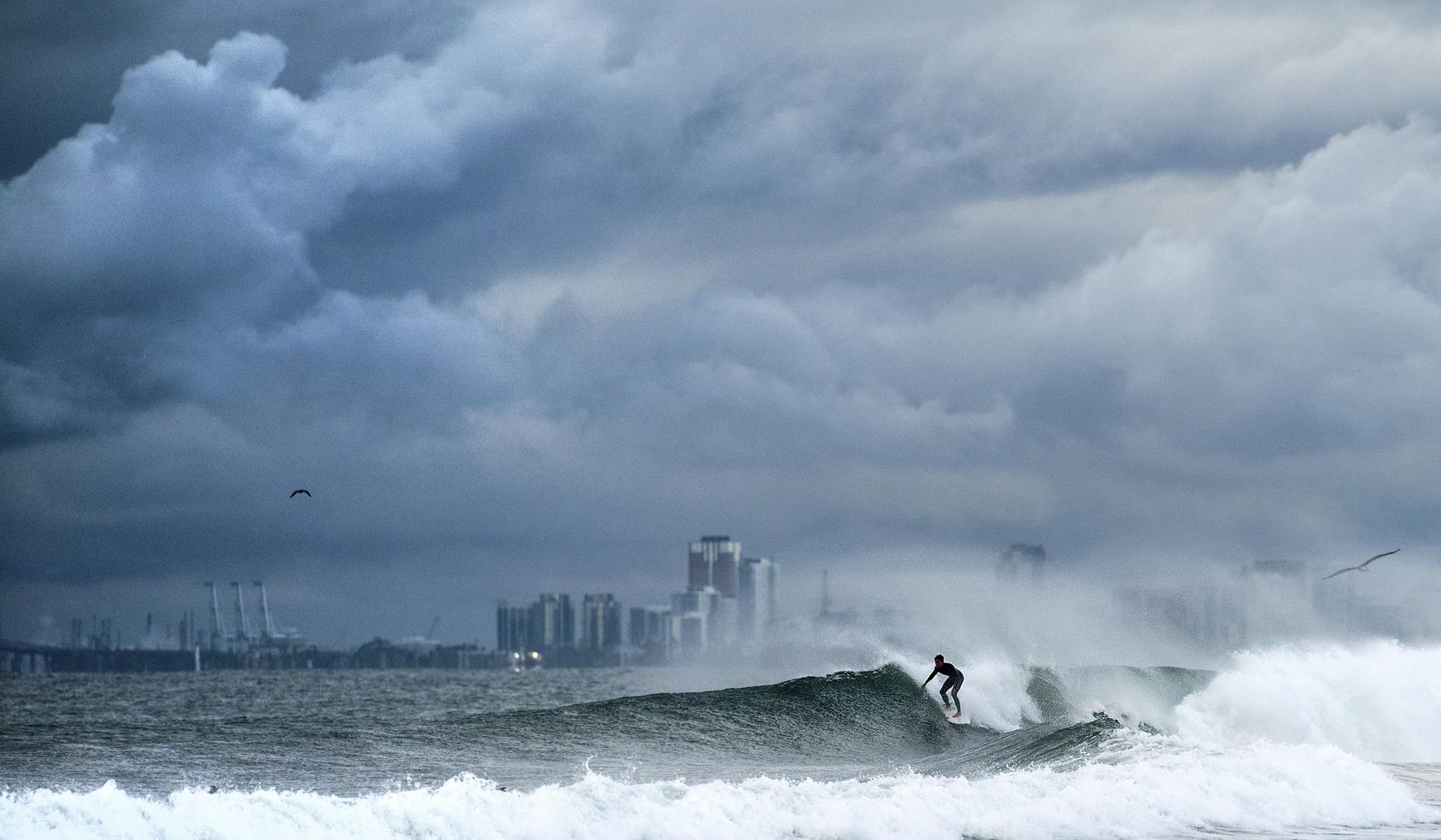
California was hit hard by a powerful atmospheric river that moved through the state, causing at least six deaths, widespread flooding and continued concern as lingering thunderstorms raised the risk of dangerous mudslides in vulnerable regions.
The storm arrived with intense bands of moisture and heavy rain that soaked large swaths of California, producing flash flooding and swollen rivers. Local officials reported significant impacts to communities from Northern California down through the southern foothills. Roads were submerged and low-lying areas saw rapid rises in water levels that forced quick decisions by emergency responders.
<p”At least six deaths” is the toll being reported as crews continue search and rescue operations in the hardest-hit zones. Those fatalities came in a mix of circumstances including vehicle-related incidents and people trapped by rising water. Families and neighbors are facing sudden losses while officials try to tally the full human and economic cost of the storm.
Heavy rainfall totals varied widely, but several locations recorded storms that dumped multiple inches over short periods, overwhelming drainage systems and triggering localized inundation. Urban areas with aging infrastructure saw manhole covers pushed up and streets turned into rivers. In mountainous and hilly terrain, the combination of saturated ground and steep slopes set the stage for landslides and debris flows.
Lingering thunderstorms kept the threat alive even after the main atmospheric river moved on, with lightning, localized downpours and gusty winds complicating response efforts. Those conditions are especially dangerous near slopes scarred by past wildfires where vegetation that once held soil in place is gone. Burn scars channel rainfall into narrow paths, increasing the speed and destructive power of mudflows.
Officials warned residents in identified high-risk areas to keep alert and follow evacuation orders because mudslides can arrive with little notice and move faster than people expect. Shelters were opened in some counties to accommodate families displaced by flood-damaged homes. Emergency managers emphasized doing simple, pre-planned things: know multiple escape routes and avoid driving through standing water.
Transportation systems felt the effects with highways closed or reduced to one lane in spots while crews worked to clear debris and repair damage. Rail services and regional transit faced delays where tracks or access roads were impacted. Airports reported disruptions from heavy rain and crosswinds, and travelers were urged to check with carriers as schedules shifted.
Power outages and downed trees left thousands without electricity at times, complicating warming or cooling needs and slowing communications for some communities. Utility crews staged to repair lines and restore service but warned that work could be slowed by muddy, slippery conditions. In places where power was restored quickly, crews still monitored infrastructure for spots weakened by water or wind.
Local, state and federal agencies coordinated to assess damage, route resources, and prioritize rescue and recovery actions. Geologists and hydrologists moved in to monitor river gauges, slope stability and soil saturation levels to anticipate additional slides. Public information officers pushed updates via radio and emergency channels to keep residents informed about road closures, shelter locations and safety guidance.
As waters receded in some neighborhoods, residents returned cautiously to survey damage and begin cleanup, mindful that snapped sewer lines, contaminated water and unstable ground can create hazards. Cleanup will include clearing sediment from roads and yards and checking foundations for undermining. Recovery experts reminded homeowners to photograph damage for insurance and to watch for health risks tied to standing water or disrupted sanitation.

