

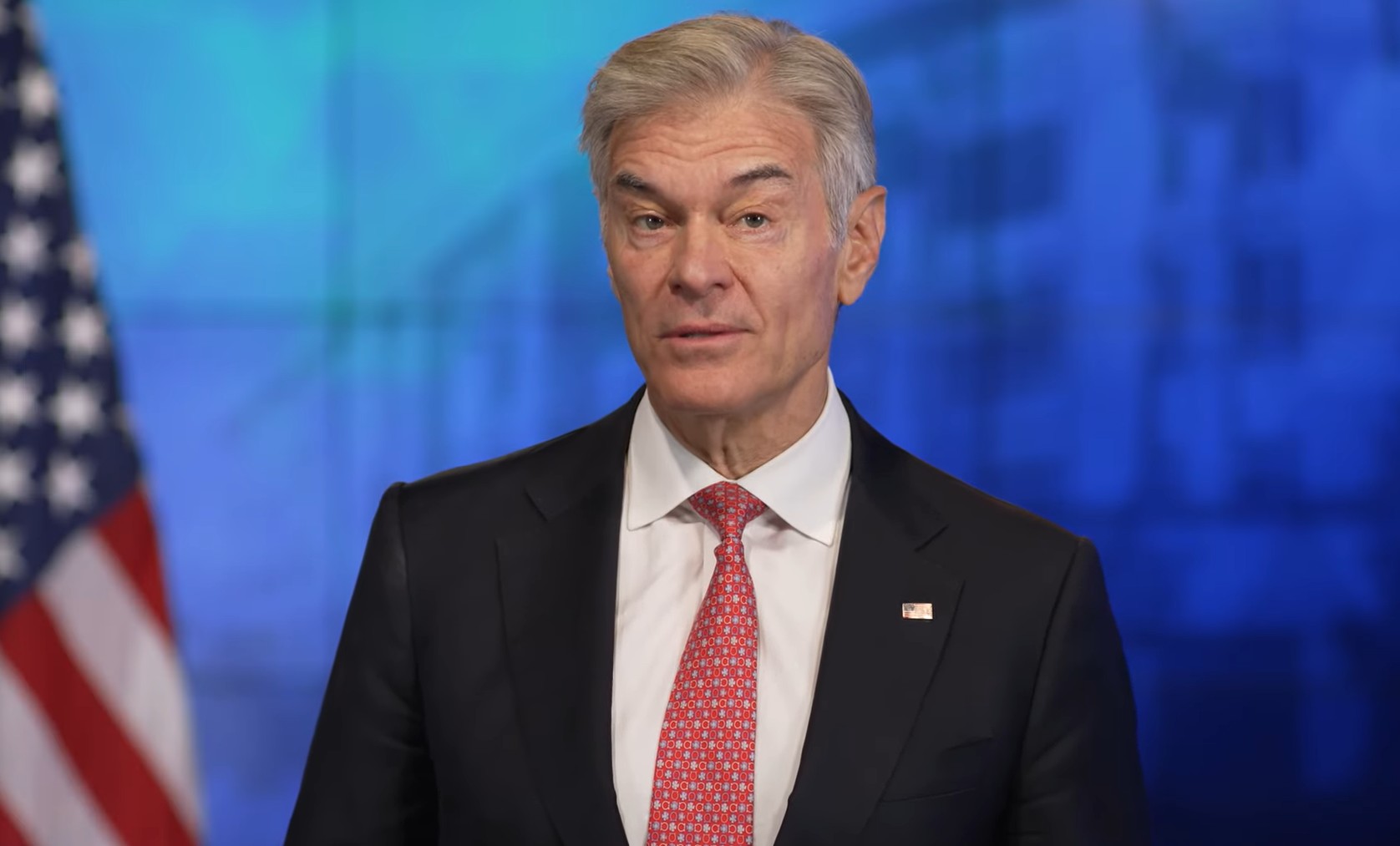
CMS’s preliminary audit says five states and Washington, D.C., directed more than $1.35 billion in federal Medicaid dollars to unauthorized immigrants, and the agency made the findings public via a post from CMS Administrator Dr. Mehemet Oz. The numbers single out jurisdictions including California, D.C., Illinois and Washington as responsible for large portions of the identified transfers. The audit is preliminary, but the scale raises questions about oversight, eligibility checks and the burden placed on federal taxpayers.
The audit’s headline figure — more than $1.35 billion — is stark and specific, and it immediately drew attention because federal Medicaid matching funds are supposed to follow federal eligibility rules. Medicaid is a joint federal-state program, so when state systems fail to enforce eligibility, federal dollars can end up supporting care that wasn’t meant to be federally funded. That gap between program intent and on-the-ground practice is central to why this audit matters to taxpayers.
CMS framed the report as preliminary, which means further review and potential adjustments could follow. Even so, a preliminary audit of this size forces a policy conversation about verification, record-keeping and the firewall between state payment systems and federal reimbursements. Republicans argue that preliminary does not mean insignificant — it can point to systemic problems that require immediate attention rather than years of deferred fixes.
From a practical point of view, federal taxpayers expect that Medicaid funds go to those who meet federal eligibility rules. When money is claimed improperly, whether through fraud, error or differences in state policy, remedies should follow. That can include repayment, clampdowns on claiming practices and mandatory process changes to prevent recurrence. Critics say the federal government needs stronger tools to detect and stop improper claims before reimbursement occurs.
Part of the political heat around the audit comes from how it intersects with border and immigration policy. If unauthorized immigrants are receiving federally matched benefits, opponents see that as a symptom of lax state policies and weak federal enforcement. Republicans are likely to frame this as another example of federal tax dollars being shifted to cover costs that should not fall on the nation’s taxpayers, and they will press for accountability and reform.
States have discretion in how they administer certain programs, but that discretion has limits where federal funds are involved. The joint funding model requires compliance with federal eligibility standards, and auditors look for both procedural failures and intentional misreporting. A large, cross-jurisdictional finding like this one raises the question of whether some states have allowed policies or practices that expose federal funds to improper use, intentionally or not.
On the administrative side, CMS can use audits to demand corrective action plans, demand repayment of improper claims, and tighten federal oversight of state Medicaid systems. Those are standard tools, but their application at scale can be politically charged and technically complex. Republicans will likely press CMS to move aggressively, pushing for recoveries and policy changes that reduce the chance of repeat errors.
For the affected states and D.C., the audit creates both fiscal and reputational headaches. A finding that federal dollars were claimed improperly can trigger budget adjustments and political fallout at the state level. Local officials will need to respond with explanations, corrective measures and cooperation with federal auditors to resolve the discrepancies and show stronger controls going forward.
Beyond immediate fiscal corrections, the audit sets up a broader policy debate about eligibility verification and program integrity. That debate spans technology upgrades for state systems, standardized identity and residency checks, and clearer federal rules on what constitutes eligible Medicaid claims. From a Republican view, those reforms should prioritize protecting taxpayers and enforcing clear, consistent rules across states to prevent future mismatches between policy intent and practice.
Whatever the next steps, the preliminary audit has already changed the conversation. It put a large dollar figure on a problem that had been discussed in abstract terms and made it an issue for federal oversight, state policy fixes and political accountability. The coming weeks will show whether the preliminary findings lead to rapid corrective action, repayment demands and tighter controls or whether the issue gets bogged down in negotiation and delay.

