

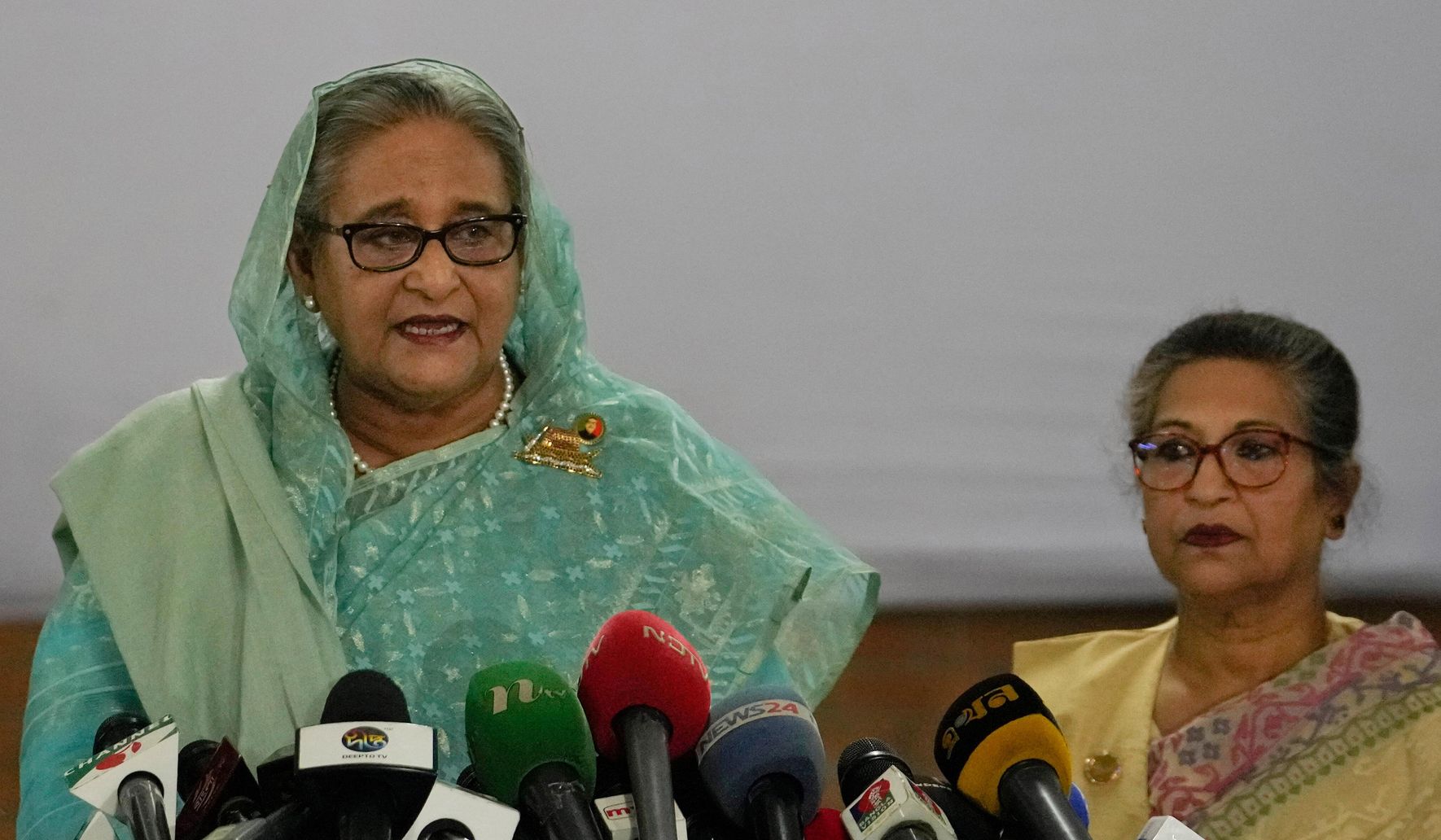
Bangladesh is set to hold national elections on Feb. 12, coming 18 months after former Prime Minister Sheikh Hasina was removed from power amid a mass uprising and weeks of violent unrest.
The new election date, Feb. 12, arrives with a country still recovering from a dramatic political shakeup that toppled Sheikh Hasina. That ouster came after a mass uprising and weeks of violence that unsettled cities and disrupted everyday life. Voters and political actors now face the test of whether institutions can manage a return to orderly politics. The schedule raises questions about security, turnout, and the credibility of the vote.
For many citizens, the mood is a mix of fatigue and guarded optimism. People want stability, they want roads that work, schools that teach their children, and markets that don’t shut down when protesters take to the streets. After months of chaos, ordinary Bangladeshis are looking for leaders who can deliver steady governance rather than more political theater. That practical demand will shape campaigns and the messages politicians use on the doorstep.
From a Republican viewpoint, the priority is clear: uphold the rule of law and defend free, fair elections that reflect the will of the people. Political transitions must happen without coercion or violence, and actors who resort to mass uprisings should answer to the law. The international community should encourage transparent procedures and security arrangements that let citizens vote without intimidation. Democracy that relies on mobs instead of ballots erodes trust and invites foreign meddling.
Economy and security are front and center in voters’ minds. Bangladesh’s economy has been growing, but instability scares away investment and raises prices for families. Investors want predictable policy and safer streets, not sudden policy shifts caused by protest-driven regime change. Candidates who can lay out clear plans for jobs, infrastructure, and law enforcement will have an advantage in persuading skeptical voters to turn out.
Election logistics will be scrutinized at every turn, from voter rolls to polling station security. After weeks of unrest, confidence in institutions is shaky and every irregularity will fuel accusations and legal challenges. The authorities must be transparent about preparations and ready to let independent observers in. Without basic trust in the process, results will be contested, deepening the cycle of instability Zimbabwe-style crises or worse.
Political parties face a strategic choice: engage with the electoral process or try to delegitimize it before ballots are cast. Some factions may argue that elections held under current conditions cannot be fair. Others will see the Feb. 12 date as a chance to compete and reclaim credibility through the ballot box. The smarter bets are on participation with firm demands for oversight rather than boycotts that cede ground to opponents.
Civil liberties and media freedom are part of the test too. Journalists need to report without fear, and citizens must be allowed to organize peacefully. Heavy-handed crackdowns or selective prosecutions will only confirm critics who say the process is rigged. If the state wants to restore confidence, it should enforce the law evenhandedly and let debate happen in public, not in backroom deals or on the streets.
Regional and global players will watch closely and calibrate their responses. Allies should push for clear safeguards around the vote and back mechanisms that reduce fraud and intimidation. But external pressure must be balanced—overt interference can feed nationalist narratives and empower hardliners. Constructive engagement focuses on observation, technical support, and consistent messaging in favor of democratic norms.
For Bangladeshis, the stakes are personal: safety, livelihoods, and a say in their future. Whether the Feb. 12 election becomes a turning point or another chapter in ongoing turmoil depends on how leaders, institutions, and voters behave in the coming weeks. The next government will need to deliver competence and security fast, because patience has run thin and expectations are high.

