

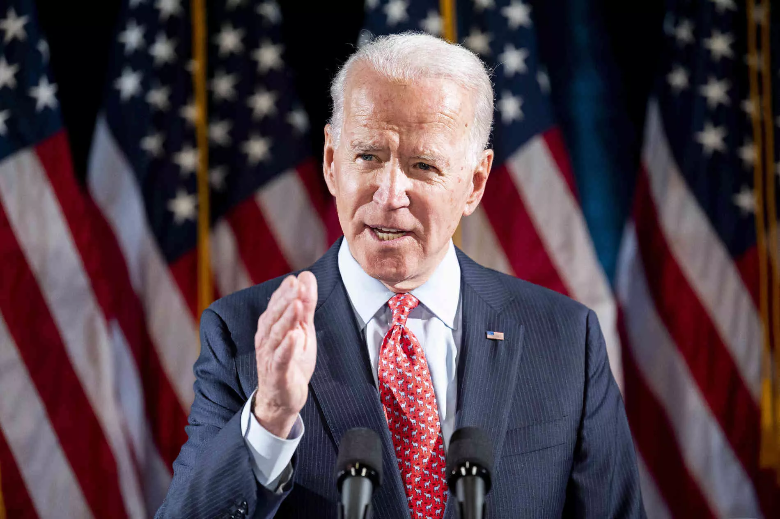
President Joe Biden issued a stern warning to Iran on Monday, stating that any assassination attempt on former President Donald Trump or other former U.S. officials would be considered an “act of war” and met with serious consequences.
The bold statement comes amid growing concerns over Iranian threats toward Trump and several high-ranking officials from his administration, including John Bolton, Mike Pompeo, and Brian Hook.
The warning, delivered through the U.S. National Security Council, signals heightened tensions between Washington and Tehran, following years of back-and-forth threats and accusations. According to National Security Council spokesman Sean Savett, the U.S. has been closely monitoring Iranian plans against Trump and other former officials.
This long-standing surveillance dates back to Trump’s presidency, when the U.S. administration took a hardline stance against Iran, culminating in the assassination of Iranian General Qasem Soleimani in 2020.
Savett made it clear that the U.S. would not tolerate any attempts on the lives of former U.S. officials, warning that any such action would result in severe retaliation. “Should Iran attack any of our citizens, including those who continue to serve the United States or those who formerly served, Iran will face severe consequences,” Savett emphasized.
This statement from the Biden administration comes in response to reported threats by Iran against Trump, Bolton, Pompeo, and Hook. All three played pivotal roles in shaping Trump’s aggressive foreign policy toward Iran. Bolton, as National Security Advisor, and Pompeo, as Secretary of State, were key architects of the “maximum pressure” campaign that imposed harsh economic sanctions on Iran. Brian Hook, Trump’s special representative for Iran, also pushed for isolating the Iranian regime internationally.
Given these officials’ significant roles, they are now under government protection. Despite leaving office, they continue to be targeted by Iran, likely due to their involvement in policies that severely weakened Iran’s economy and international standing.
In addition to Trump, Iranian threats have extended to several other former officials. In September 2024, the FBI confirmed that it had briefed Trump’s campaign on credible assassination threats against the former president. Campaign spokesman Steven Cheung stated that the FBI shared details of “real and specific” plots by Iran to assassinate Trump, which were seen as an effort to destabilize the U.S. and sow chaos.
Interestingly, this warning from the Biden administration comes at a time when diplomatic relations between the U.S. and Iran have become increasingly complicated. While the Biden administration has sought a return to the nuclear agreement with Iran, critics argue that U.S. policies toward Iran have been inconsistent. Over the past four years, the U.S. has released billions of dollars in frozen Iranian assets, which opponents claim has emboldened Tehran rather than deterring it.
The timing of Biden’s sharp rhetoric is also noteworthy, as many have questioned why such a strong statement is being made now. The media has speculated on the reasons behind this sudden escalation in language, particularly in light of recent history. For example, the last two alleged assassination attempts on Trump were linked to radicalized individuals influenced by far-left rhetoric and anti-Trump sentiment in the media. These past incidents involved American left-wing extremists rather than foreign actors.
Nonetheless, Biden’s recent message to Iran suggests the administration is keenly aware of the ongoing threats and is prepared to act decisively if necessary. A senior administration official noted that the president had sent a direct message to the highest levels of the Iranian government, demanding that Tehran cease its plotting against Trump and other former officials. This clear warning indicates that the U.S. views any action against its former leaders as a direct challenge to its national security.
As tensions between the U.S. and Iran continue to simmer, many are watching to see how this situation unfolds. The Iranian regime has yet to respond publicly to Biden’s warning, but their history of defiance and proxy warfare suggests that the threat of retaliation may not be enough to dissuade further aggression. Meanwhile, both sides remain locked in a tense standoff that could have serious implications for the future of U.S.-Iran relations.
The Biden administration’s declaration underscores the gravity of the situation and signals that any further escalation from Tehran will not be tolerated. Whether this strong stance will be enough to curb Iranian ambitions remains to be seen, but for now, the U.S. government is making it clear that threats against Trump or any other former officials will be met with swift and severe consequences.

