

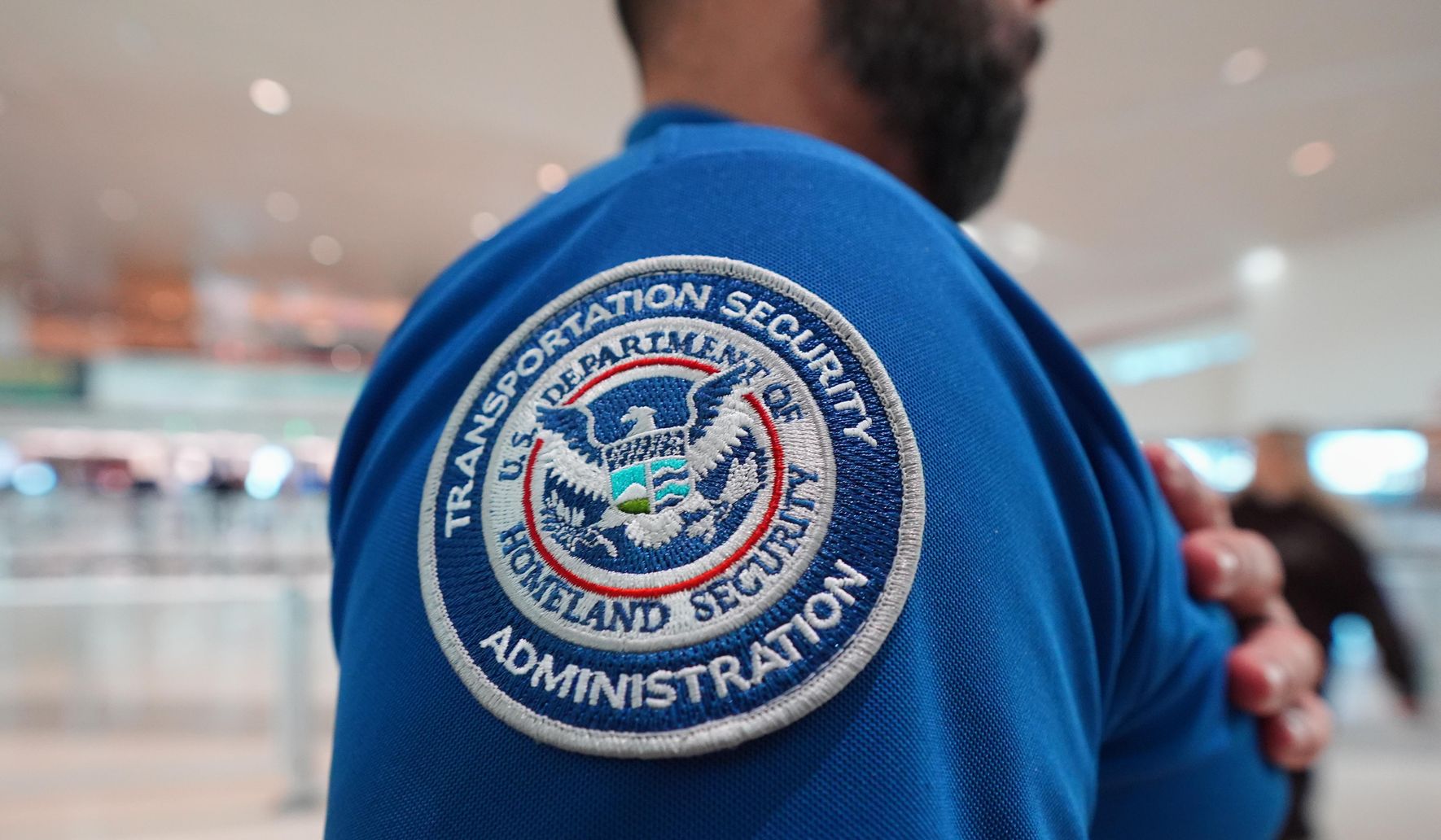
Republican and Democratic senators expressed sharp frustration Wednesday over a stalled funding process for the Department of Homeland Security, a deadlock that is leaving Americans stuck in longer lines and DHS staff without clear direction.
Senators on both sides of the aisle aired blunt complaints about the lack of progress in funding the Department of Homeland Security, and the scene was anything but procedural theater. The delay is not abstract; it shows up as longer waits for services and unpredictable staffing on the front lines. Lawmakers blamed gridlock in Washington for a preventable scramble at airports, ports of entry, and immigration processing centers.
From a Republican perspective, the core of this mess is a failure of priorities and accountability. Funding fights have become a vehicle for policy messaging instead of a sober exercise in keeping Americans safe and systems running. When appropriations stall, the bureaucracy is forced to improvise, frontline workers shoulder the uncertainty, and ordinary people pay the price in time and security.
Republican senators highlighted how essential operations suffer when Congress treats DHS funding like leverage for unrelated demands. Border security, counterterrorism, cybersecurity, and disaster response cannot be run on a week-to-week basis. The result is uneven staffing, delayed procurement, and a leadership vacuum that makes lines longer and response times slower.
Democrats also voiced frustration, but their rhetorical focus often tilted toward humanitarian and legal concerns rather than operational benchmarks. That split in priorities makes compromise harder to find because each side measures success by different outcomes. The public sees one common effect: longer lines and more friction at services people rely on every day.
Practical consequences are visible in airports where passenger processing and customs throughput rely on predictable resourcing. Travelers face extra waits because plans for overtime, temporary hires, and equipment upgrades get postponed when budgets hang in uncertainty. Those delays ripple across the economy, from lost productivity to missed connections and higher costs for carriers and passengers alike.
Beyond travel delays, the impasse strains immigration courts and asylum processing, slowing legal proceedings and trapping cases in backlog. That backlog undermines the rule of law by stretching timelines and inflating administrative costs. Republicans argue that clarity in funding would restore normal operations and make enforcement more effective without sacrificing due process.
Security experts warn that when funding is uncertain, long-term investments in technology and infrastructure stall. Cyber defenses and intelligence-sharing systems need steady funding to stay ahead of evolving threats. Republicans contend that inconsistent appropriations create gaps adversaries could exploit and handcuff DHS managers who need multiyear certainty to plan upgrades.
Across committee hearing rooms, senators expressed impatience with routine political brinkmanship. The tone from Republican members emphasized fiscal discipline paired with a clear focus on core security missions. Their message: if congressional leaders want stable operations, they need to stop treating DHS votes as bargaining chips and prioritize the mission over messaging.
Staffing pressures are another angle that drew pointed remarks. When hiring freezes, limited overtime, and unclear budgets become the norm, morale dips and turnover rises among border agents, TSA officers, and other essential personnel. Republicans framed this as a problem of leadership and commonsense budgeting, arguing that the workforce deserves predictable support to do their jobs well.
Budget uncertainty also complicates partnerships with state and local law enforcement, which often depend on DHS grants and coordinated responses. When funding is delayed, planned investments in preparedness, fusion centers, and joint operations get pushed back. Republican senators stressed that shared security depends on reliable federal support, not last-minute appropriations.
The standoff in Washington ultimately translates into real inconvenience and potential risk for everyday Americans. Lines get longer, systems slow down, and confidence in public institutions erodes. Republicans made clear they want funding to return to orderly, accountable negotiations that prioritize security and reliable service rather than political theater.

