

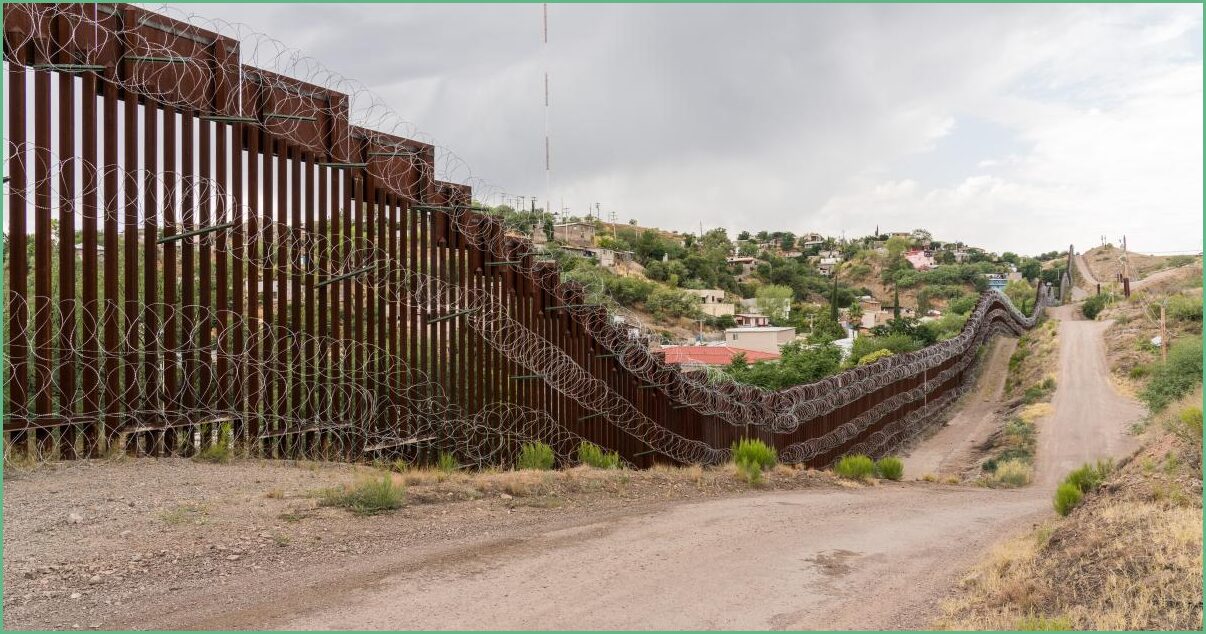
The Department of Homeland Security and U.S. Customs and Border Protection have awarded ten construction contracts to add hundreds of miles of Smart Wall along the southern border, covering California, Arizona, New Mexico and Texas.
Smart Wall pairs physical barriers with modern sensors, cameras and integrated monitoring to improve detection where illegal crossings and smuggling are most frequent. The idea is to give agents clearer information and faster response windows.
For Republicans this is straightforward policy: secure entry points, reduce illegal traffic and protect communities. It’s about enforcing the law and restoring order where it’s been lost.
The contracts are expected to generate local hiring for construction crews, equipment operators and support roles, sending paychecks into neighborhoods that need work. Small businesses supplying materials should see increased demand.
Building hundreds of miles requires coordination with landowners, state agencies and local governments. Strong project management will be essential to avoid costly delays.
These projects aim to be smarter in spending as well as in design. Targeted technology lets manpower focus on real threats instead of routine surveillance runs.
Environmental and property concerns deserve careful review and reasonable mitigation. Those issues should not automatically block efforts meant to stop human trafficking and drug flows.
Republicans will push for transparent contracting, firm milestones and performance measures tied to payment. Clear accountability helps keep projects honest and delivers value for taxpayers.
The investment should let Border Patrol reassign agents from dull observation to chasing organized criminal networks. That shift helps disrupt cartels that traffic violence and illegal goods across the border.
Residents along the border should expect construction activity and short-term disruptions, but the longer-term aim is safer neighborhoods and fewer unauthorized crossings. Local officials will need to manage traffic, safety and access while crews work.
Technological upgrades can reduce false alarms and cut wasted patrol time. Better data enables commanders to send teams to verified threats instead of chasing noise.
Fiscal conservatives will watch procurement closely and press for cost-effective solutions that deliver measurable results instead of open-ended spending. Evaluations need to match outcomes against dollars spent.
The political fight over border infrastructure will continue, but taking action now shows willingness to do the hard work of securing the border. Results matter more than rhetoric.
This round of contracts reinforces the principle that the federal government must protect the national perimeter. When Washington acts, it should act efficiently and with respect for property and the rule of law.
Contractors will face inspections, environmental reviews and possible legal challenges, so timelines rarely move overnight. Still, progressing from contract award to ground work is the normal course for projects of this size.
Local leaders should track job listings and supplier bids as construction ramps up, and they can press for local hiring commitments. That keeps economic benefits close to the communities most affected.
Smart Wall is not a cure-all, but it’s a practical tool inside a layered approach that also includes ports of entry, better processing and targeted enforcement. A balanced mix of infrastructure, manpower and technology is the sensible path.
Look for public briefings, posted milestones and neighborhood outreach as the contracts move toward construction. Town halls and regular updates give residents the chance to ask questions and demand accountability.

