

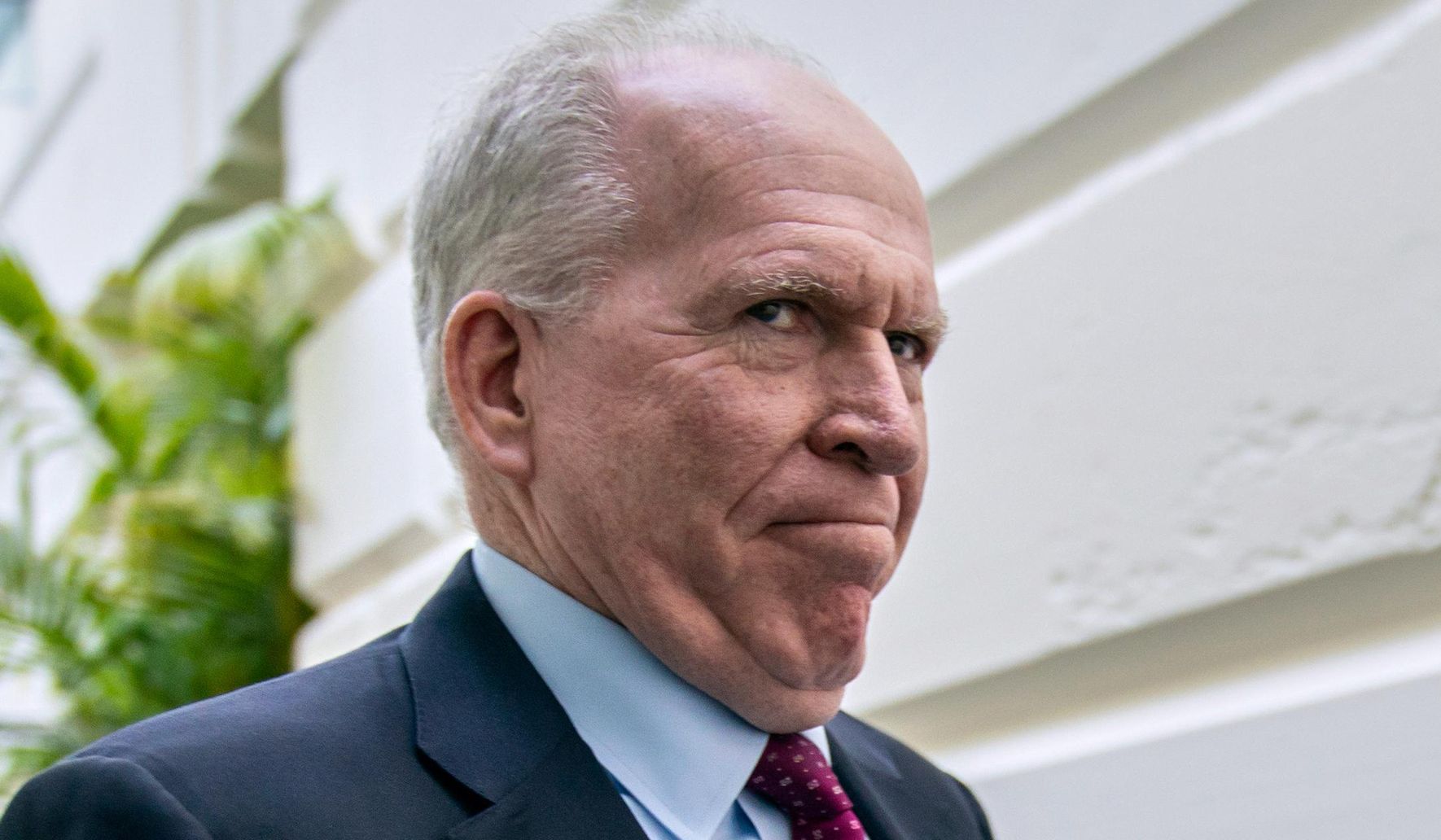
Lawyers for former CIA Director John Brennan say the Justice Department should not be allowed to steer an investigation of him and other former officials to a “favored” judge in F, and critics warn that any hint of forum shopping corrodes trust in the system.
Attorneys for John Brennan have raised a procedural fight that touches a bigger political nerve: who gets to pick the courthouse and why it matters. They argue the Justice Department might be manipulating venue to land cases before sympathetic judges, and that move has drawn sharp criticism from opponents who see selective enforcement. The issue is less about one person and more about preserving a neutral legal process that treats everyone equally.
From a Republican vantage, the accusation of steering cases smells like politicization of a law enforcement agency that should be blind to politics. When the public thinks the Department is arranging the pieces to fit a preferred outcome, confidence in prosecutions drops and the rule of law takes a hit. Lawyers for Brennan want the court to block any such maneuvers and keep the process transparent and above board.
The core claim is procedural: forum selection can shape the playing field. Different judges have different track records, and the rules governing where a case is filed or moved can be bending points if prosecutors have incentives to secure a more receptive bench. Brennan’s team sees that dynamic as dangerous when applied to former government officials, since these are politically charged matters that demand extra care to avoid appearance of bias.
Critics argue the DOJ must show consistent standards rather than tactical savvy. If the Department decides venue based on who is likely to get the result it wants, the institution looks like a political tool. That’s a hard sell to voters who expect equal application of the law, and it undermines the credibility of actual, legitimate investigations.
There are legitimate rules that allow venue changes and consolidations for efficiency or convenience, and those tools have uses beyond politics. But when those same tools are used in high-profile cases, they invite suspicion unless every step is documented and justified. Brennan’s lawyers are asking for judicial oversight to ensure any moves are rooted in law, not strategy aimed at a particular judge.
Onlookers who lean Republican point out a double standard: decisions about where to prosecute should not hinge on whether the target is favored by one side or another. The rule of law requires predictable procedures that don’t change with partisan winds. That predictability protects both defendants and the integrity of prosecutors who want to operate without political strings attached.
Legal fights over venue aren’t new, but their stakes rise when former national security officials and high-profile figures are involved. Each contested procedural step attracts media attention and can be spun as proof of bias by parties across the political spectrum. Stopping perceived forum shopping early can prevent a cascade of claims that distract from substance and bog down courts with collateral disputes.
Judicial oversight is the obvious check when prosecutors and defense counsel clash over courtroom assignment. Judges can demand explanations for venue choices, require detailed records of internal decision-making, and deny transfers that appear untethered to legitimate legal reasons. Brennan’s request for such oversight leans on that judicial role to preserve appearance and reality of fairness.
The broader implication for conservatives is clear: guarding the impartiality of legal institutions is essential to maintaining popular trust. When the Department of Justice appears to be an arm of political strategy rather than neutral enforcement, it weakens Republican and Democratic claims alike about accountability and equal justice. Critics want rules enforced evenhandedly to prevent future abuses.
Practical outcomes from this fight will shape how future investigations are structured and where high-profile defendants will face trial. A clear judicial rebuke of any attempt to steer matters to a friendly judge would tighten procedural guardrails. Conversely, a tolerated pattern of selective venue choices would likely encourage more gamesmanship by prosecutors and defenders alike.
Whichever way this dispute moves, the public interest rests on transparent, consistent procedures over tactical courtroom maneuvering. Brennan’s team frames the demand as protection against manipulation, while opponents warn that foggy venue practices open the door to politicized prosecutions. The court’s response will matter for how justice is perceived in politically charged cases.

