

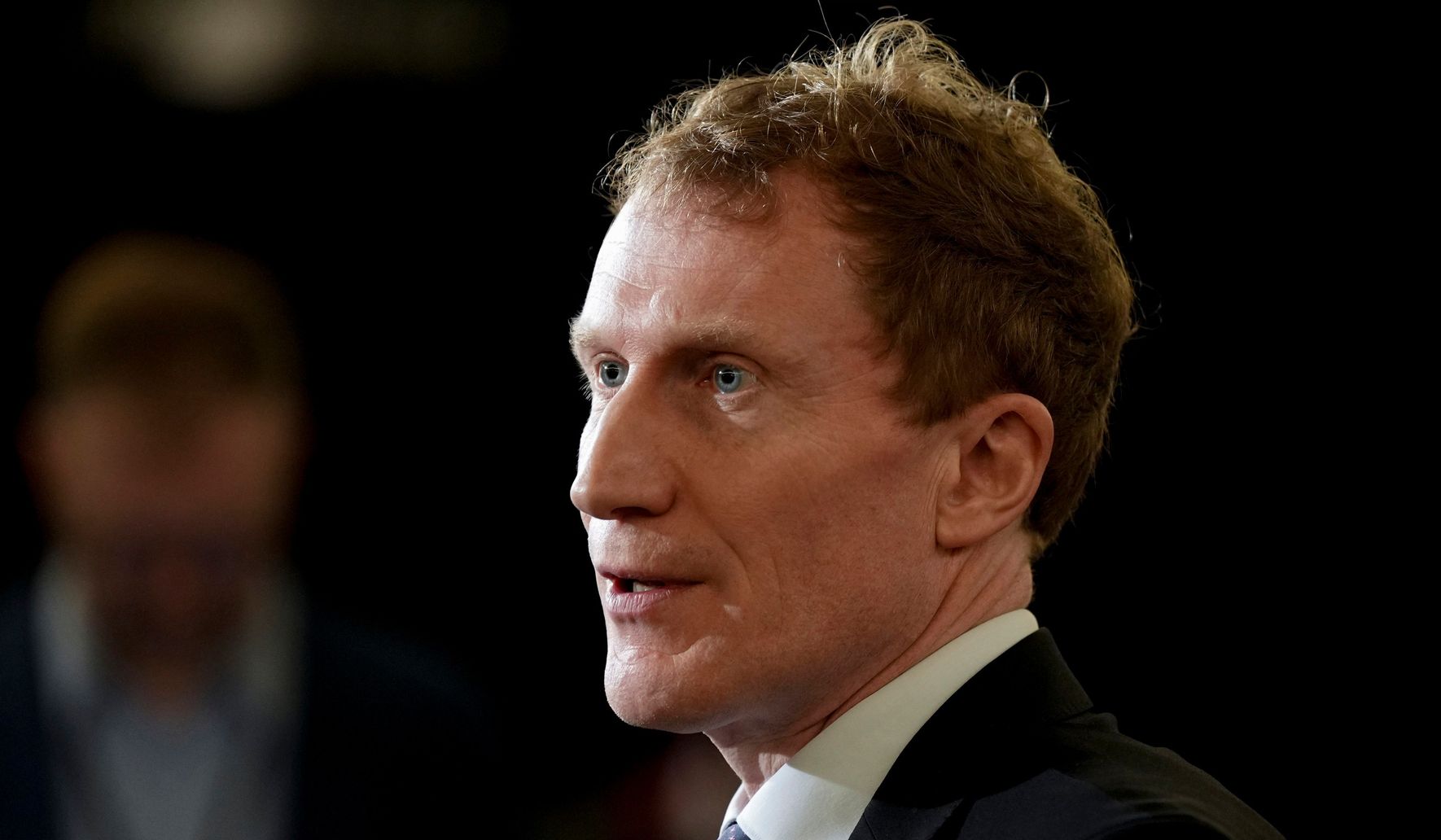
Canada’s government ordered its television and communications regulator to roll back a decision that would have tripled financial contributions required from U.S. streaming services such as Netflix.
The government’s move forces the television and communications regulator to pause a major fee increase aimed at U.S. streaming platforms. What had been approved would have tripled the required contributions those services pay into Canadian broadcasting and production funds. The intervention is now front and center in debates about how governments should handle the streaming economy.
From a conservative standpoint, this is a check against an overreaching regulatory body that threatened to reshape a digital market practically overnight. Regulators should be predictable and incremental, not able to impose drastic cost increases that ripple through the industry. When a regulator tries to impose sweeping financial burdens, it becomes a policy decision that belongs in elected chambers, not tucked away in rulemaking paperwork.
For consumers, sudden spikes in compliance costs for big platforms usually end up hitting wallets one way or another. Streaming companies can pass added fees to subscribers, reduce investment in new content for local creators, or shift their business strategies away from smaller markets. That makes any sudden policy change especially consequential for families who have swapped traditional TV for streaming to save money and get better value.
There’s also a fairness question about singling out U.S. firms for hefty levies while other parts of the media ecosystem face different rules. If the goal is to support Canadian production, policymakers should aim for solutions that boost local creators without imposing punitive costs on the platforms viewers prefer. Targeted incentives and clear, narrow rules are preferable to broad, heavy-handed levies that invite legal challenges and trade friction.
The procedural angle matters too: when a government steps in to reverse or temper an independent regulator’s action, it raises governance concerns. Independent bodies exist to apply rules consistently and predictably, which investors rely on. Overriding those bodies for high-impact decisions creates uncertainty, discourages long-term investment, and undermines confidence in the regulatory system.
There are constructive paths forward that respect market signals and national goals at once. One route is to offer tax credits and production incentives that directly help Canadian creators compete without penalizing platforms that distribute the work. Another is to craft narrowly tailored contribution rules with phased timelines so businesses and consumers can adapt without sudden shocks.
Politically, the government’s intervention signals responsiveness to criticism and to industry pushback, but it also invites scrutiny. Voters and businesses will watch whether the rollback becomes a permanent retreat or just a pause before a different, possibly heavier, approach. What happens next will shape how Canada balances cultural objectives with a modern media marketplace that is increasingly global and platform-driven.
Regulators, lawmakers, and industry players now face a choice about whether to pursue cooperative, transparent reforms or to double down on blunt instruments that risk unintended harm. That choice will determine whether Canada can support domestic creators while keeping prices reasonable and systems predictable for consumers and investors. The stakes are practical and immediate: clarity, stability, and fairness in a fast-changing media landscape matter to everyone who pays for or produces content.

