

Residents across Cameroon’s contested Anglophone regions live with a ticking clock of violence and fear, where kidnappings for ransom, clashes between separatist fighters and government troops, and routined loss of life and property have become grim facts of daily life.
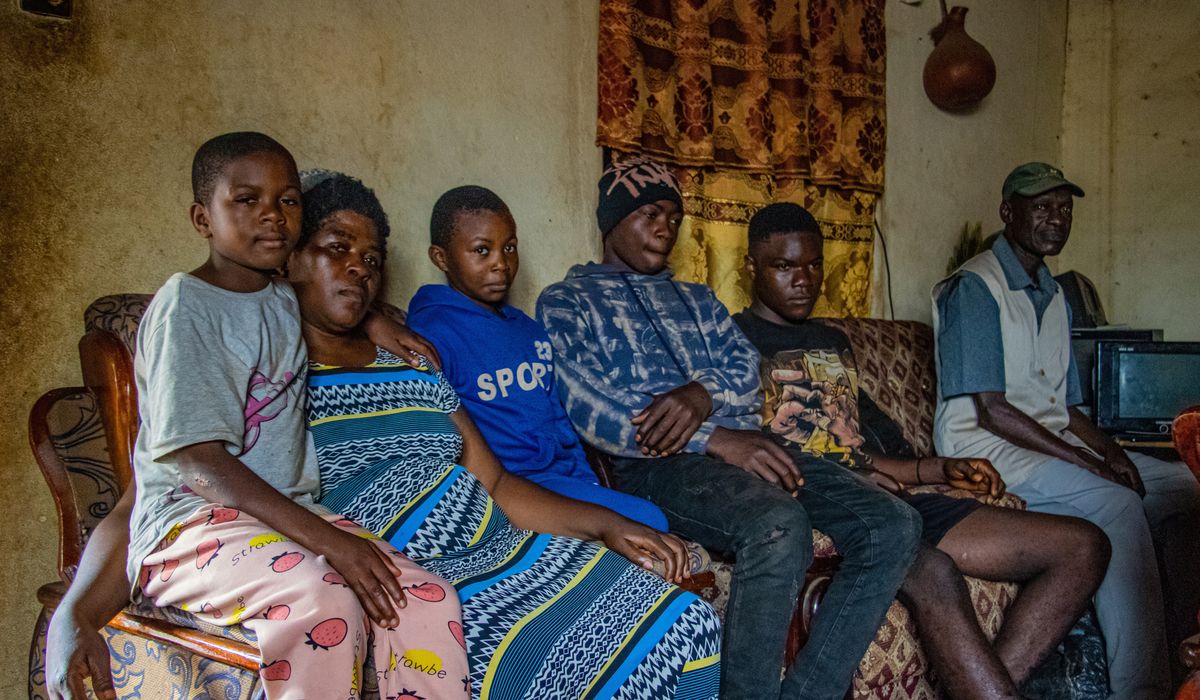
Caro Bih says she was once kidnapped, chained and held for ransom by the separatist fighters who have clashed for years with government soldiers in parts of Cameroon. Several relatives have been killed, and what started as a political struggle has turned into a long-running human crisis. Families live with the constant risk that another relative will not come home.
The conflict has bled into every corner of daily life, shrinking freedom of movement and shuttering businesses. Markets that once hummed now sit half empty because people fear being stopped at checkpoints or targeted for extortion. When commerce stalls, so does the basic ability of communities to provide for their own.
Separatist groups operate in a mix of criminality and ideology, using violence and ransom as tools to fund operations and terrorize communities. Those taken captive are often ordinary civilians, not combatants, and their families are left to scrape together ransom payments. The result is a vicious economy of fear that rewards violence and punishes peace.
Government forces respond with military operations that aim to restore control, but these actions can also deepen the wounds when civilians get caught in the middle. Heavy-handed tactics fuel local anger and can push more people toward the separatists out of desperation or revenge. That cycle is why clear rules of engagement and accountability matter as much as tactical success.
Humanitarian needs have skyrocketed as more people flee their homes to avoid the fighting and ransom threats. Displacement camps fill up and local charities are stretched thin, trying to cover food, medicine, and shelter. The pressure on social services makes any long-term recovery harder to imagine.
The international community has raised alarms, but external statements alone do not stop kidnappers or heal shattered towns. What matters on the ground is reliable security, better intelligence, and cooperation with local leaders who know the terrain and the people. Aid and diplomacy are important, but they must be backed by practical measures that protect civilians now.
Survivors like Caro are left with more than physical scars; they carry trauma that lasts a lifetime and destroys the trust that binds neighborhoods together. Psychosocial support is scarce, and stigma sometimes follows victims instead of solidarity. Rebuilding those social bonds will be a slow, hands-on process that requires prioritizing people over politics.
A sensible approach starts with protecting civilians while pressing for political solutions that don’t reward violence. Strengthening local policing, improving border security, and targeting the financial networks that bankroll kidnappings are immediate steps that reduce harm. At the same time, honest national dialogue has to be part of the plan so grievances can be addressed without more bloodshed.

