

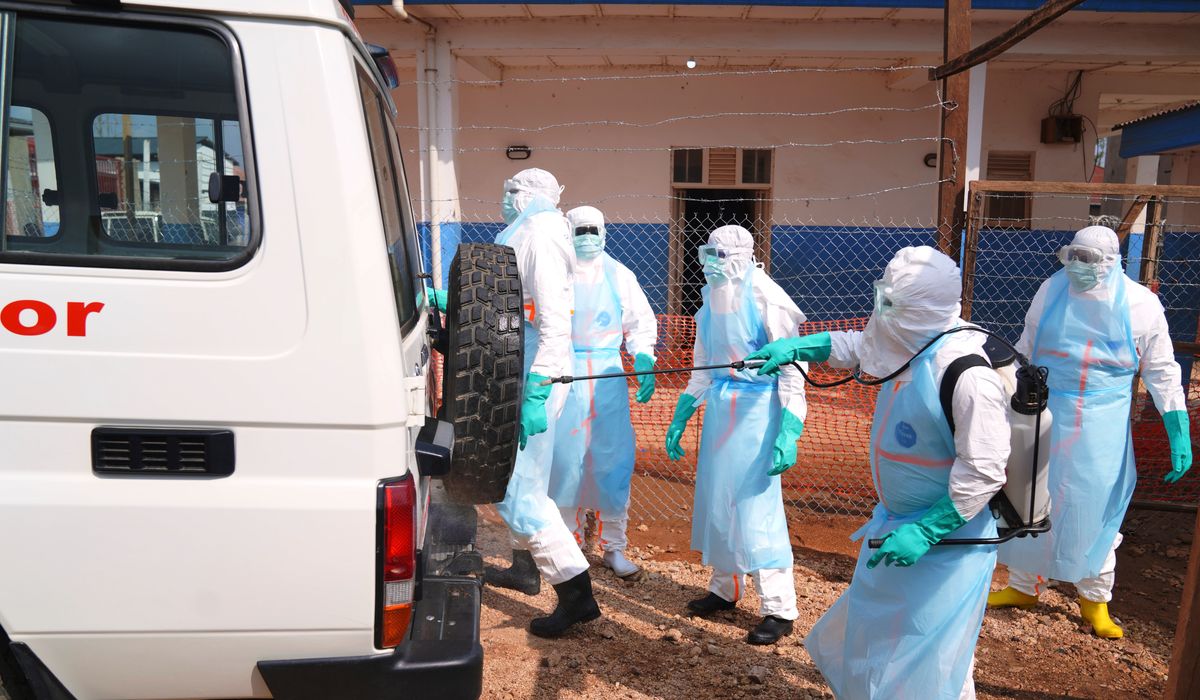
Chinese medical experts arrived in Kinshasa and were received by Democratic Republic of Congo health officials, a moment that underscores cooperation in global public health.
A team of Chinese medical experts landed Saturday at Kinshasa’s airport, and Democratic Republic of Congo health officials were on hand to greet them. The arrival drew attention because it put international medical assistance squarely in the public eye. Officials welcomed the delegation with open arms as they stepped off the plane.
The scene at the airport was cordial and public, signaling a deliberate show of partnership between the two governments. Such arrivals often serve both a practical and symbolic role, conveying support while also preparing the ground for on-the-ground collaboration. Local and visiting teams typically coordinate closely during those initial moments.
Medical expert teams usually bring a mix of skills and resources tailored to the situation at hand, including clinical expertise, laboratory support, and logistical assistance. While the exact composition of this team was not listed in the original report, these are the kinds of capabilities that external health missions commonly provide. That mix helps local authorities manage immediate needs while building capacity for extended response.
Kinshasa, as a major urban center, presents both opportunities and challenges for outside medical teams. High population density can accelerate the spread of infectious disease, while gaps in infrastructure can complicate logistics and supply chains. Effective work in the city depends on rapid assessment, flexible planning, and strong coordination with local health authorities.
Coordination matters because local teams hold vital institutional knowledge about health delivery and community networks. External experts add value when they adapt to local systems rather than replace them. Successful missions respect local leadership and aim to leave behind improved procedures and trained personnel.
Beyond the immediate health mission, such deployments are part of broader international relations and public health diplomacy. Medical cooperation can open communication channels between governments and foster longer-term partnerships on research, training, and emergency preparedness. That diplomatic layer often shapes how missions are staffed, funded, and sustained.
On the practical side, incoming teams commonly begin with assessments to identify gaps and priorities, then move quickly to set up clinical support, testing capacity, or training sessions. Delivering medical supplies and transferring protocols to local staff are frequent early tasks. Those activities are designed to stabilize the situation and enable local health workers to carry forward the response.
The warm reception the team received at the airport reflects a public-facing element of international assistance that health authorities often emphasize. Public welcomes can help reassure communities and signal that additional resources are on their way. They also put pressure on all parties to translate goodwill into measurable, sustainable action in local clinics and laboratories.

