

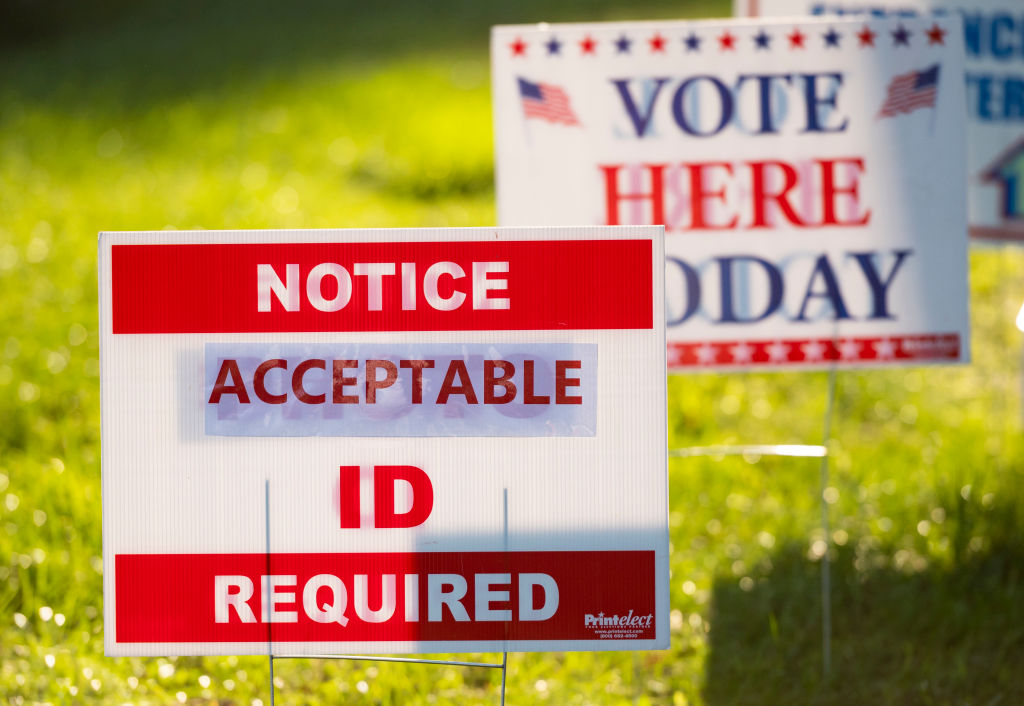
The SAVE America Act would require proof of U.S. citizenship to register to vote and voter ID at the polls, and the House bill is sponsored by Rep. Chip Roy (R-TX) with 71 cosponsors as of Feb. 6; the measure is moving toward a floor vote this week.
The debate over election integrity is heating up again as lawmakers push the SAVE America Act onto the floor. At its core, the bill demands that only U.S. citizens be able to sign up for voter rolls and that voters present identification at polling places. Supporters frame this as a straightforward correction to ensure elections are limited to eligible citizens, while critics call it a hurdle to participation.
Republicans backing the measure argue voter ID and citizenship checks are common-sense, pro-democracy safeguards. They point to instances where noncitizens have been found on rolls or where lax registration rules created confusion. For those who want clean, trusted elections, requiring a citizenship check and photo ID looks like low-hanging fruit that protects every voter’s voice.
Practically speaking, the bill would change registration processes by making a citizenship attestation and documentation part of the formality. That could mean presenting a birth certificate, passport, or naturalization papers during registration or at the time of application. Proponents say standardized expectations will simplify enforcement and reduce disputes on whether someone should be on the rolls.
Critics, including many Democrats and voting-rights advocates, argue the move will suppress turnout among groups that face barriers to obtaining ID or paperwork. They warn about long lines and administrative headaches, especially in underfunded jurisdictions. Those concerns raise serious questions about implementation, though supporters counter that legitimate fixes can be built in to minimize inconvenience.
The political stakes are clear: for Republicans, the bill is a response to the public’s unease about election integrity and a way to restore confidence. For opponents, it’s about protecting access and preventing the government from creating new obstacles for voters. That clash will likely drive the floor debate, where messaging matters just as much as the legal and administrative details.
Legal challenges are almost guaranteed if the bill becomes law, and courts will have to weigh federal authority against state control of elections. Historically, the Constitution grants states primary power over how elections are run, though Congress has a role in setting federal standards. Expect questions about whether a federal citizenship requirement infringes on states’ prerogatives or whether it’s a legitimate safeguard for federal elections.
Operational hurdles also deserve attention: election offices would need clear procedures to verify documents, train staff, and update registration databases. That requires funding and coordination with agencies that hold citizenship records, like Social Security or immigration services. Without adequate resources, even well-intentioned rules can produce chaos at the polls, which is why implementation planning is crucial.
Meanwhile, the bill’s progress in the House puts lawmakers on record, and the sponsor, Rep. Chip Roy (R-TX), and his 71 cosponsors have made their priorities visible as the measure nears a vote. The political calculus is straightforward: deliver stronger controls now, and defend them in court and the court of public opinion later. Opponents will press hard on access, and the coming floor debate will set the tone for whatever comes next.
Beyond the immediate dispute, the SAVE America Act spotlights a deeper divide over how to balance security with access. One side emphasizes preventing fraud and preserving confidence, while the other stresses inclusivity and removing barriers. The final outcome will shape election rules, litigation, and how voters perceive the system for years to come.

