

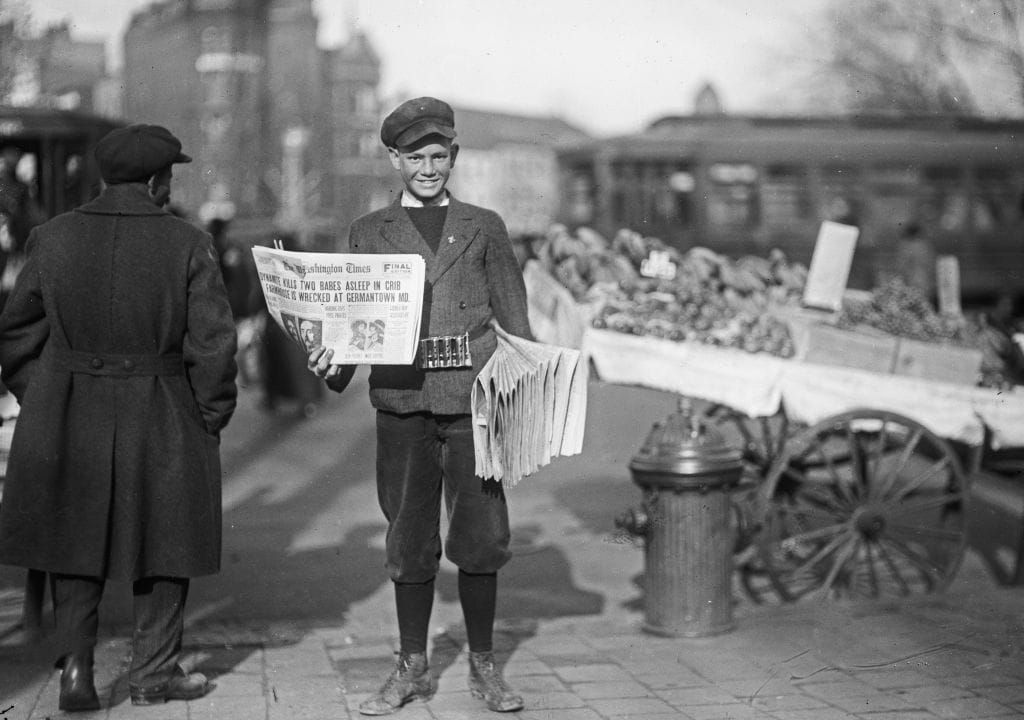
America’s free press has been through cycles of fierce independence, partisan capture, and technological disruption, and this piece tracks that long, often painful evolution while arguing for a return to vigorous, accountable journalism.
The story of the American press reads like a political thriller with plot twists every few decades. Early newspapers fought for independence and survival, then the industry grew into powerful institutions that sometimes lost sight of citizen accountability. Over time, consolidation, ideological sorting, and new distribution platforms altered how Americans get information, tilting influence away from local scrutiny and toward national narratives.
In the 18th and 19th centuries, newspapers were rough-edged and often explicitly partisan, but they served direct civic functions by reporting local courts, elections, and scandals. That roughness meant fewer gatekeepers and more voices, even if those voices were loud and biased. The later professionalization of journalism introduced standards, yet it also concentrated editorial power in fewer hands.
Through much of the 20th century, a handful of publishers and broadcast networks shaped national conversation and set agendas. That centralization brought investigative wins and public-service journalism, but it also created choke points where a limited set of decision-makers influenced what millions could see. When those centers of influence drifted toward detached elites, readers began to look elsewhere for validation and alternative narratives.
The late 20th and early 21st centuries introduced an even sharper shift as consolidation merged local outlets into national chains and as digital platforms redistributed attention. The economics that once sustained diverse local reporting collapsed, leaving many communities underserved and national outlets focused on culture and scandal. The result was a fragmented informational landscape where loud national outlets often overshadow the slow, necessary work of watchdog reporting.
Technology brought both liberation and new risks: anyone can publish, but platforms control reach and moderation. Social media amplified voices but also centralized content curation behind opaque algorithms and corporate policies. Those gatekeeping decisions now sit with tech executives and content moderators, not with editors accountable to readers or local communities.
Political bias in mainstream outlets has driven readers to partisan corners, reinforcing sorting on both left and right. That self-selection corrodes shared facts and healthy debate, which are essential in a republic. For conservatives, the perception that major outlets favor certain political outcomes has hardened distrust and pushed attention to alternative networks that promise unfiltered truth.
Regulation and legal questions complicate the picture. Attempts to impose speech rules or to push platforms into stricter moderation are debated as either necessary protections or dangerous pathways toward censorship. Republicans often argue that government intervention risks amplifying one set of preferences and that the solution should favor open markets and stronger local reporting rather than new federal controls.
Accountability matters more than ideology in preserving a free press that serves citizens, and that means rebuilding institutions that prioritize facts over activism. Viable business models for local journalism, stronger protections for independent reporting, and clearer lines of editorial responsibility are practical needs. The free press should be an engine of oversight, not a mouthpiece for elites or tech platforms.
Culture plays a role, too: trust is earned when outlets expose wrongdoing across the political spectrum and when journalists acknowledge mistakes transparently. When reporters act like advocates, cynics on both sides respond in kind, and the institution loses credibility. A vibrant media ecosystem must welcome dissenting perspectives and hold power to account without substituting its own political ambitions for public service.
Practical steps include supporting diverse ownership, encouraging local investigative projects, and insisting on transparency from platforms that shape public attention. Conservatives should push for reforms that lower barriers for independent outlets and that promote competition in information markets. At the same time, readers must demand rigor and fairness from any source they rely on.
“Spread the truth – share this article” captures the impulse behind citizen engagement, even if distribution now looks very different than it did for 18th-century printers. The media we have today is the product of technological shifts, market failures, and human choices, and fixing it means recognizing where incentives went wrong. The debate over press freedom is ongoing and central to the health of the republic.
Jun 23, 2026 marks another waypoint in that debate as questions about ownership, influence, and speech rights keep returning. The press that best serves America will be one that prizes local scrutiny, invites competition, and resists centralized control—whether from corporate boards, ideological elites, or algorithmic gatekeepers.

