

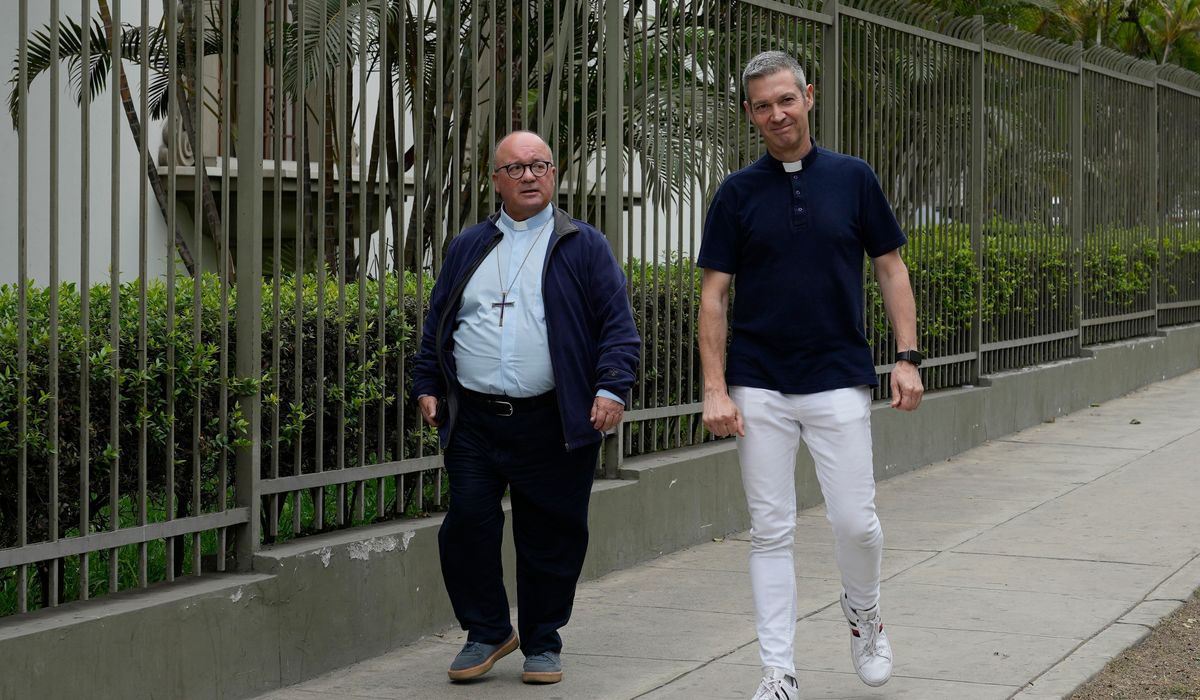
Peru’s top Catholic leaders held a symbolic reparation ceremony after years of allegations that a now-dissolved religious group dispossessed land from local communities, offering a public acknowledgment of harm and the start of a formal process to address past grievances.
The ceremony on Saturday brought together senior church figures and representatives of communities affected by land loss linked to the dissolved group. Organizers described the event as symbolic but said it was meant to open a path toward tangible remedies and recognition for people who say they were wronged. The moment was clearly aimed at restoring trust between church authorities and local populations.
For years, accusations circulated that the group acquired territory through pressure, misleading agreements, or unclear transfers, leaving families and communities displaced or deprived of resources. Those allegations prompted investigations, public outcry, and ultimately the dissolution of the group inside ecclesiastical structures. The ceremony acknowledged that the wounds run deep and that public acknowledgment is only a first step.
Participants included indigenous leaders, local officials, clergy, and human rights advocates who called for concrete follow-through after the ritual. Many attendees described the ceremony as emotionally charged, mixing prayers and statements of remorse with demands for restitution. Organizers emphasized that symbolic acts need to be backed by measurable actions to rebuild livelihoods and secure land rights.
Church officials framed the event as both pastoral and institutional, positioning it as a moral reckoning with past conduct tied to church-affiliated organizations. They avoided legal commitments on the spot but said they would facilitate dialogue between affected communities and relevant institutions. That approach aims to balance spiritual responsibility with the practical complexities of land restitution.
Community advocates warned that apologies alone will not undo the long-term effects of losing land, access to resources, or cultural ties to ancestral territories. They stressed the need for land titling, reparative funding, and guarantees that similar abuses will not recur. Those demands reflect broader concerns about how institutions address historical injustices when vulnerable groups are involved.
Legal experts watching the process noted that ecclesiastical apologies can influence public opinion but do not replace judicial or administrative remedies. They pointed out that any path to reparations will likely require coordination with state agencies and adherence to property and human rights procedures. That coordination could take time, and communities are already urging quicker, concrete measures.
Some attendees took the ceremony as a test of the church’s willingness to change internal oversight and accountability practices. Critics say the dissolution of the group should be followed by clearer policies to prevent similar situations in the future, including transparent record-keeping and external review of church-run entities. Church leaders acknowledged those critiques and indicated they are reviewing governance structures.
Local media coverage highlighted personal stories from families who said their homes, farms, or communal lands were affected, bringing the abstract debate into human terms. Those testimonies underscored the social costs of disputed land transfers: interrupted schooling, lost income, and diminished cultural continuity for community members. The ceremony created a public space for those voices, which many participants said was overdue.
Observers noted the symbolic value of the highest ecclesiastical authorities taking part, saying it signals the issue is a priority within church leadership. Still, skepticism remains among people who have waited years for tangible results, and they plan to monitor follow-up steps closely. The next phase will be judged on action rather than rhetoric.
Organizers promised continued meetings and mechanisms to track progress, and they invited civil institutions to join the process to ensure legal and practical avenues are explored. Those arrangements aim to bridge moral acknowledgment and material redress, though the specifics are yet to be defined. For now, the ceremony stands as a clear sign that the church is engaging publicly with a painful legacy and that affected communities have a renewed platform to press for remedies.

