

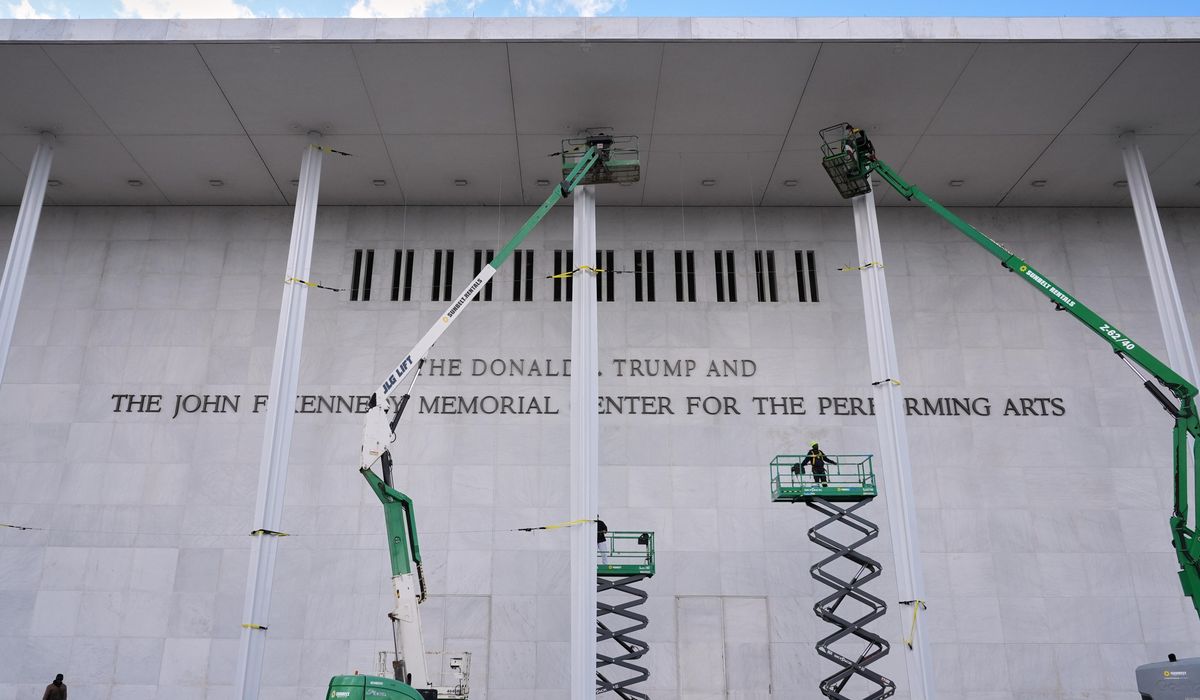
The newly renamed Trump-Kennedy Center ran into a wrinkle when a comedian had already claimed the matching website months ago, turning a naming spat into a digital turf fight.
The announcement that the performing arts venue would be called the Trump-Kennedy Center stirred debate, and one unexpected detail jumped out fast. A comedian registered the domain tied to that contested name months ago, effectively beating the institution to the online address. That move turned a publicity moment into a gray-area battle over branding and speech on the internet.
Domain names are valuable and visible real estate, and this episode shows how quickly they can be snapped up. For a public-facing organization, the web address is part of identity and control over messaging. Losing that address to someone else complicates outreach and opens the door to parody or criticism.
From a Republican viewpoint, this situation raises straightforward questions about ownership and responsibility. If a group changes a name, it should anticipate the practical steps needed to secure that identity across media and platforms. If the name is controversial, securing the domain should be a top priority rather than an afterthought.
Comedians have long used satire and parody as tools, and the internet makes those tools blunt and instant. Registering a domain can be a comedic stunt, a way to make a point, or a bid for traffic and attention. Still, there is a difference between free speech and opportunistic digital hijacking, especially when an institution has a legitimate interest in its online presence.
The legal landscape around domain registration and trademark is messy but important here. Trademark law can protect names used in commerce, but it often hinges on who established rights first and how the name is used online. Parody and commentary enjoy protections under free speech, yet those protections do not always shield conduct that appears to be bad-faith domain grabbing.
Public institutions and private entities face a checklist when renaming: claim trademarks, register domains, and lock down social handles. Failing to do so invites precisely the kind of headache we’re seeing now. Months can make a difference, and the comedian’s early move proved that timing matters in the digital age.
There’s also a reputational angle worth watching. A comedian holding the name can shape narratives and drive headlines, sometimes overshadowing the institution’s own announcement. For leaders on the right, this highlights the need for strategic communication and rapid action to protect brand integrity.
On the flip side, forcing someone off a domain in the name of branding can come across as heavy-handed. Courts and domain dispute panels consider intent, prior use, and the public interest, and aggressive legal pushes can look punitive when the other side claims satire. A careful, law-abiding approach beats a headline-grabbing lawsuit in most cases.
Practically, the center could negotiate a purchase, pursue a dispute under applicable policies, or choose a different web identity that still serves patrons and donors. Each path has costs: time, money, and potential political fallout. From a Republican standpoint, private negotiation and market solutions are preferable to escalation when possible.
This episode also points to a cultural reality: names matter now more than ever in the digital marketplace. A headline-change echoes in domain registrations, social media, and search algorithms, and any misstep can amplify opposition voices. Institutions that move slowly risk letting others set the tone online.
For conservative leaders watching, the lesson is practical and clear. Protect your brand before you announce it, secure your digital assets early, and have a plan for parody or pushback. That combination of foresight and firm but fair response limits surprises and helps maintain authority over your public identity.
Meanwhile, the comedian’s decision to register the site months ago will likely fuel commentary about who controls public narratives. It’s a savvy use of the internet’s low barriers to entry and a reminder that politics and culture now play out in URL bars. Satire wins eyeballs, but it does not automatically resolve the underlying dispute about naming rights.
Ultimately, the case is a small but telling example of modern turf wars: the stage is public, the audience is online, and control is partly decided by who acts first. Institutions with political resonance face added pressure to anticipate both legal and cultural consequences. Move fast, claim your name, and expect the marketplace of ideas to respond.
As the situation unfolds, it will be instructive to see whether negotiation, legal challenge, or public pressure decides who keeps that digital address. Whoever ends up controlling the site will shape at least one corner of the conversation. For now, the comedian’s early registration stands as a warning to anyone who thinks a name change is purely symbolic.

