

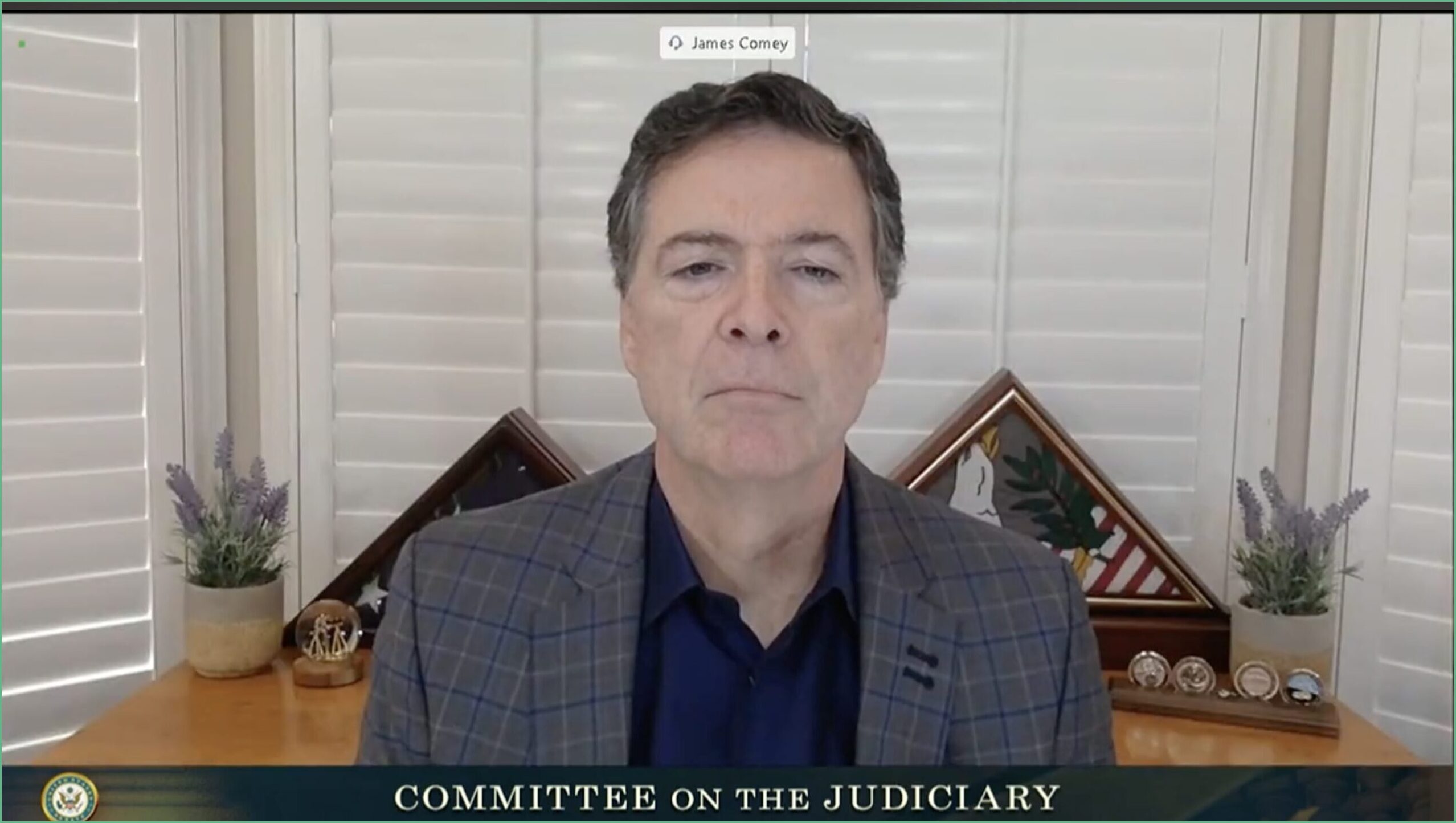
When the Scales Tilt: Media, Justice, and the Comey Double Standard
The headline was already written before the gavel fell. When Trump faced indictment and the machinery of the justice system closed in, some outlets celebrated it as a defense of the rule of law. The applause ignored how the same institutions were used selectively for political ends.
Flip the script and the tone changes instantly. When James Comey faces legal scrutiny, suddenly the system itself is accused of collapse, as if investigations only become legitimate when they target Democrats or their allies. That inconsistency tells you more about media instincts than about justice.
Conservatives have a clear and simple claim here: equality before the law must be real, not conditional. If prosecutions can be cheered when they hit one side and decried when they hit another, true rule of law is dead. A system that shifts its principles with political winds is no system at all.
Double Standards in Justice
Consider the messaging. When accusations align with a preferred political outcome, experts suddenly rediscover the importance of accountability and the sanctity of institutions. When the target is inconvenient, suddenly those institutions are weaponized and corrupt. That pattern is not subtle and it erodes trust among millions who see the bias plainly.
We are right to hate politicization, but we must be honest about where it comes from. Many partisan actors on the left have amateurishly turned law enforcement and prosecutorial power into tools of political warfare. That wrecks civilians’ faith and gives cynical fighters on both sides license to answer with extra-legal tactics.
Folks who want a stable republic should demand fairness, not spin. Republicans can and should argue that justice must be blind, rigorous, and equally applied. That argument wins when it is principled, not when it is a partisan cudgel.
The Comey example is instructive because it exposes how quickly narratives flip. There’s a long memory for the selective outrage that followed investigations into presidential campaigns, leaks, and grand jury matters. When accountability touches someone once seen as a guardian of institutions, the reaction should be measured, not reflexively defensive.
We also need to acknowledge real institutional problems without letting partisanship drown the diagnosis. The FBI and Department of Justice have enormous power and they need guardrails that everyone trusts. That means transparent rules, consistent standards for charging, and clear oversight that survives political season.
Reform is not an admission of guilt for the system. It is a pragmatic fix so the system can function across changing administrations and shifting majorities. Conservatives should lead on this because stability benefits liberty and markets, and because integrity in law enforcement is a conservative value.
Accountability looks different at different levels. If agents or prosecutors cross lines, they should face consequences. If policies reward institutional capture, they should be rewritten. If the media elevates one narrative while gaslighting another, readers should be warned about bias and taught how to demand better reporting.
There are also practical political stakes. When people see their opponents prosecuted while their own leaders are shielded, they lose faith in democratic processes. That loss of faith fuels extremism and cynicism, which benefits no one. Protecting institutions means making them prove they deserve protection.
This is not an argument for lawlessness or for cheering every indictment that targets a political enemy. Conservatives should reject both cavalier prosecutions and reflexive immunity for allies. The real conservative position is to insist on consistent standards, fair procedures, and accountability that rises above the partisan fray.
The media plays a huge role in shaping perceptions of justice. Newspapers and networks often pick the narrative that best fits their political tastes, then wrap it in legalese to sound authoritative. Conservatives must call this out while advancing a constructive agenda for repair.
Here is a simple test: would you applaud or condemn the same action if the partisan labels were reversed? If not, you are witnessing bias. If you apply the test and reform follows, the system becomes stronger and public trust grows. That is the conservative path forward.
In the end, the fight is for a credible system that enforces laws equally and resists capture by any political faction. That goal requires courage from both leaders and voters to condemn abuses wherever they appear. Do not let double standards become the norm, and do not let defense of the rule of law be selective political theater.

