

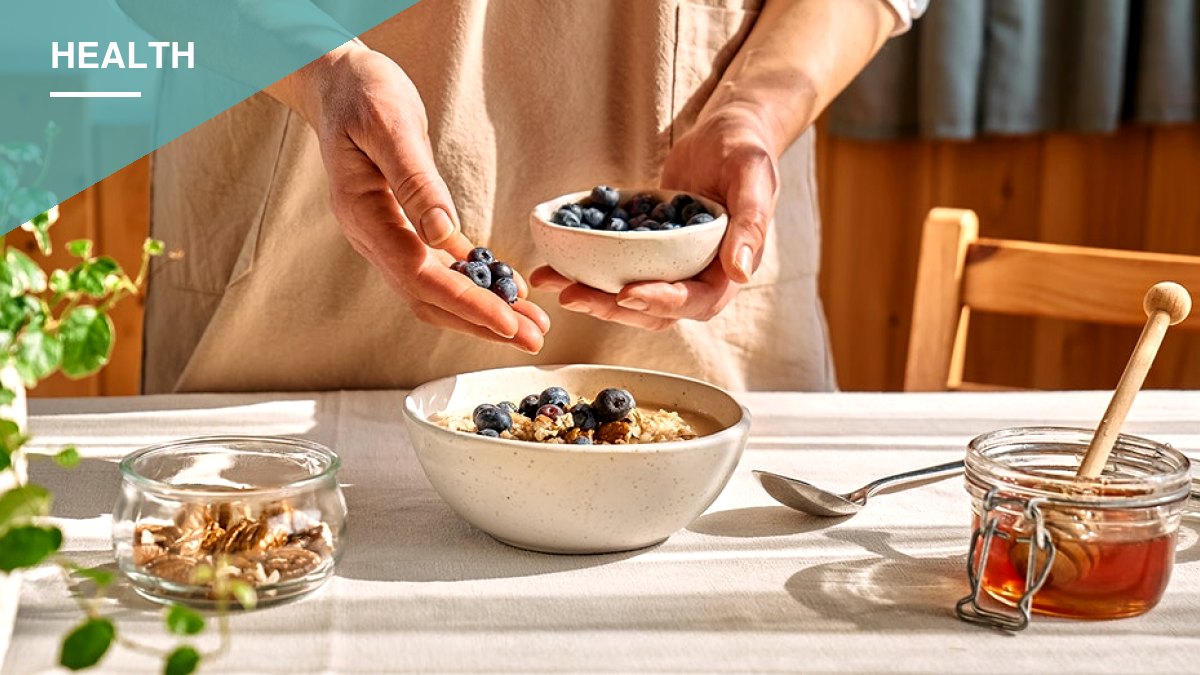
A natural antioxidant found in blueberries, grapes and other berries may help muscle cells break down stored fat, according to new laboratory research out of Japan.
Scientists at Shinshu University tested the compound, called pterostilbene, on cultured mouse muscle cells and found it reduced abnormal fat buildup by prompting the cells to break down fat already stored inside them. The findings were published Sept. 1 in the journal Food Bioscience.
Fat accumulation in muscle cells can result from high-fat diets, inactivity and aging, and excess fat buildup can interfere with how the body processes glucose and fatty acids, potentially contributing to insulin resistance.
Pterostilbene had previously been linked to broader metabolic benefits, but researchers said little was known about its specific effects on skeletal muscle until now.
“Our findings establish a scientific framework for developing functional foods and nutritional supplements that target muscle fat metabolism,” said lead researcher Takakazu Mitani, an associate professor at Shinshu University, in a statement.
The research team screened multiple food-derived compounds and found pterostilbene produced the strongest reduction in fat accumulation without interfering with muscle growth. It also appeared to preserve a protein called PPAR-delta, which helps regulate how cells process fat. Mitani said the work could serve as a template for identifying other natural compounds that protect that protein.
A long way from your grocery cart
Despite the promising cellular results, the study does not show that eating blueberries or grapes, or taking pterostilbene supplements, will produce the same fat-reducing effect in the human body.
Johannah Katz, a registered dietitian based in Florida, cautioned that a cell-based study “strips away the complexity of human metabolism.”
“In people, pterostilbene has to be digested, absorbed, metabolized, circulated and actually reach muscle tissue at an effective dose,” Katz told Fox News Digital. “We also can’t assume mouse muscle cells will respond exactly like human muscle.”
Katz added that identifying a possible biological mechanism in a dish is a different matter from proving that eating more berries changes fat levels in human muscle. “Blueberries and grapes are nutritious foods for many reasons, but this study alone doesn’t show that eating more of them will reduce fat buildup in human muscle,” she said.
Researchers say further studies in animals and humans are needed to determine whether the effect seen in lab-grown cells holds up in living organisms, and whether it could eventually inform approaches to obesity, type 2 diabetes or age-related metabolic decline.

