

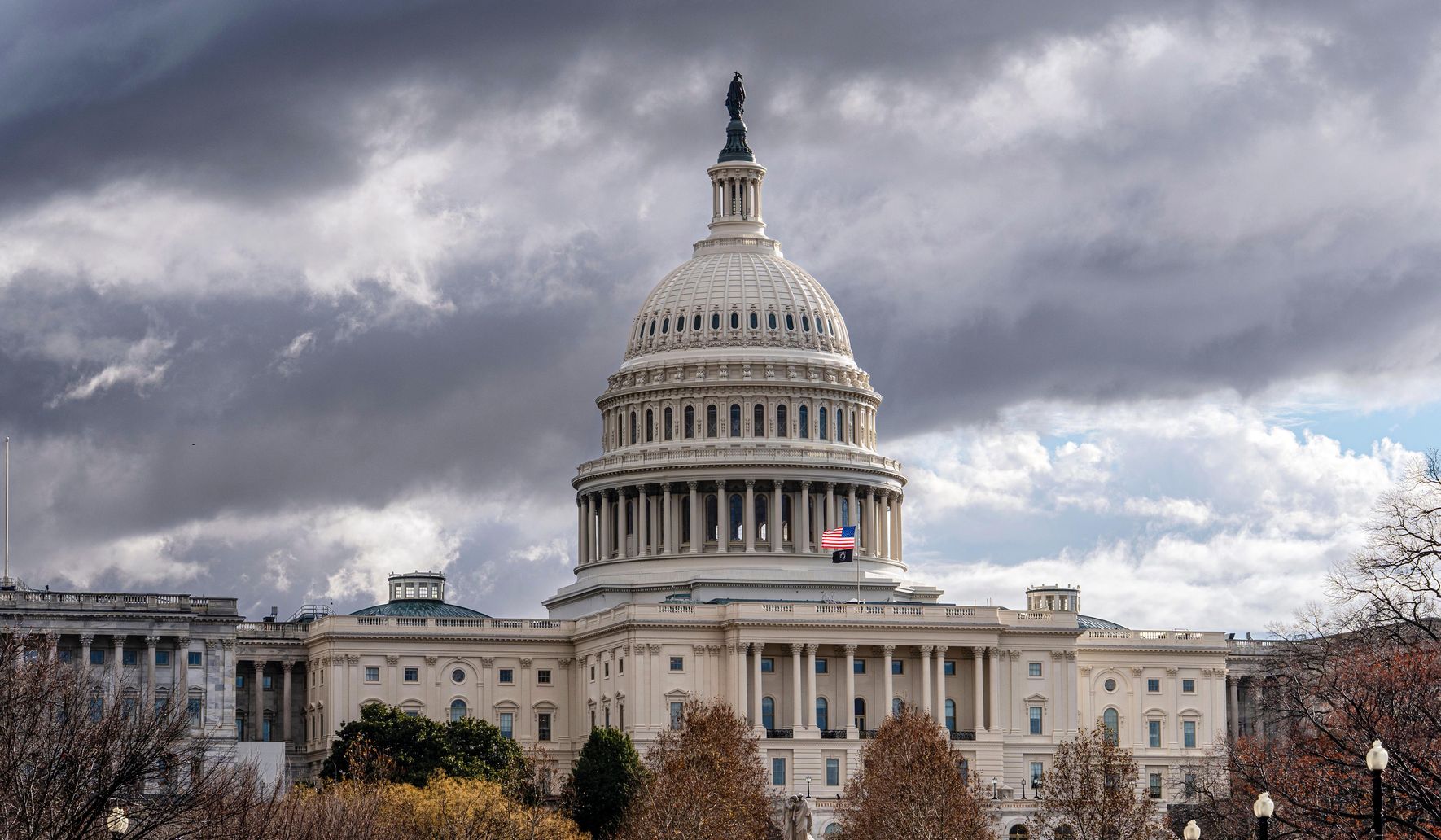
Congress returns to Washington in the first full week of the new year with a pile of unfinished business, facing tough decisions at home and questions about American involvement overseas.
Congress returns to Washington in the first full week of the new year with a pile of unfinished business left on its plate. Lawmakers will face deadlines on spending, oversight obligations, and a crowded calendar that demands focus and discipline. The mood in both parties is cautious, because voters expect results without open-ended spending binges.
The first order of business will be basics: funding the government, avoiding shutdowns, and naming priorities for the year. That routine work matters because every policy fight depends on having the lights on and committees operational. Conservatives should push for tighter oversight of spending and insist on clear budget guardrails.
National security and foreign policy will share the stage with domestic concerns, with particular attention on any U.S. involvement in regime-change efforts abroad. Republicans are right to ask hard questions about mission creep and long-term costs before committing both taxpayer dollars and American lives. Oversight must be rigorous and transparent, and Congress should demand a clear legal and strategic rationale before advancing major foreign interventions.
Another immediate pressure point is the mounting national debt and year-after-year deficit growth, which hangs over every policy choice. Lawmakers returning to town should remember that reckless spending now limits options later, including national defense priorities. Fiscal discipline is a conservative cornerstone that affects prosperity and the security we can offer to allies.
Border security and immigration will remain front and center, shaping legislative priorities and constituent expectations. Without secure borders, domestic policy and foreign policy objectives are harder to achieve, and taxpayers shoulder additional costs. Republicans in Congress will be judged on whether they translate rhetoric into actionable, enforceable measures.
Oversight of the executive branch will be a persistent theme this session, especially around decisions to deploy forces or support foreign regime-change strategies. Congress has a constitutional role to check unilateral overreach and to require clear authorizations for the use of force. That check helps prevent open-ended entanglements and holds leadership accountable for strategic outcomes.
Committees will reopen investigations and schedule hearings that test administrative claims and budget requests. These sessions are where facts get exposed and promises get measured against reality. For conservatives, hearings are an opportunity to cut through Washington spin and demand results that respect taxpayers and national interests.
Energy policy will also be on the docket, given how it ties into both the economy and national security. Boosting domestic production and protecting supply chains reduces leverage for hostile actors overseas and eases price pressures at home. A practical energy strategy should be part of any serious national security conversation.
Lawmakers must also balance support for allies with the duty to avoid open-ended commitments that have no exit strategy. Providing assistance is fine, but Congress should insist on clear benchmarks and timelines tied to national interests. Responsible aid requires accountability and realistic expectations about what U.S. involvement can achieve.
Congressional leadership will feel pressure to deliver wins quickly, but short-term theatrics won’t satisfy voters who care about outcomes. Passage of funding measures that protect defense readiness while reining in waste should be the priority. Lawmakers who instead choose grandstanding over governance risk disappointing constituents and ceding credibility.
The judiciary and domestic rulemaking fights will continue to simmer, drawing attention to how laws passed long ago are applied today. That interplay affects everything from trade to regulatory costs that businesses face. Republicans should aim to reduce unnecessary regulatory burdens while preserving core protections that keep markets fair and competition strong.
Veterans and service members deserve concentrated attention, especially when Congress debates any policy that risks troop deployments. Ensuring proper care, timely benefits, and clear missions shows respect for the men and women who serve. Policy choices should never treat military personnel as expendable tools for vague foreign-policy experiments.
Technology and cyber resilience are no longer niche concerns; they are core elements of national power and economic stability. Congress needs to support clear standards, private-public cooperation, and targeted investments that protect critical infrastructure. Failure to act here risks giving adversaries cheap access to disproportionate leverage.
State and local priorities will also compete for attention, from infrastructure fixes to educational concerns that affect the workforce. Lawmakers who can connect national policy to everyday local impacts will find more public support for tough decisions. Conservatives should make the case for empowering states while ensuring federal spending is effective and limited.
Party dynamics will shape how much gets done: unity on the floor matters when deadlines arrive and votes are tight. But unity should not mean abandoning principles; meaningful compromise respects limits and protects taxpayers. Lawmakers who keep those lines clear can build durable policy wins without selling out core values.
Finally, the calendar is filled with dates that force choices, from funding deadlines to committee work and oversight reports. That schedule is a tool for accountability, and it will expose who is serious about governing versus those content with partisan posturing. The coming weeks will show whether Congress can turn a crowded agenda into real, responsible action.

