

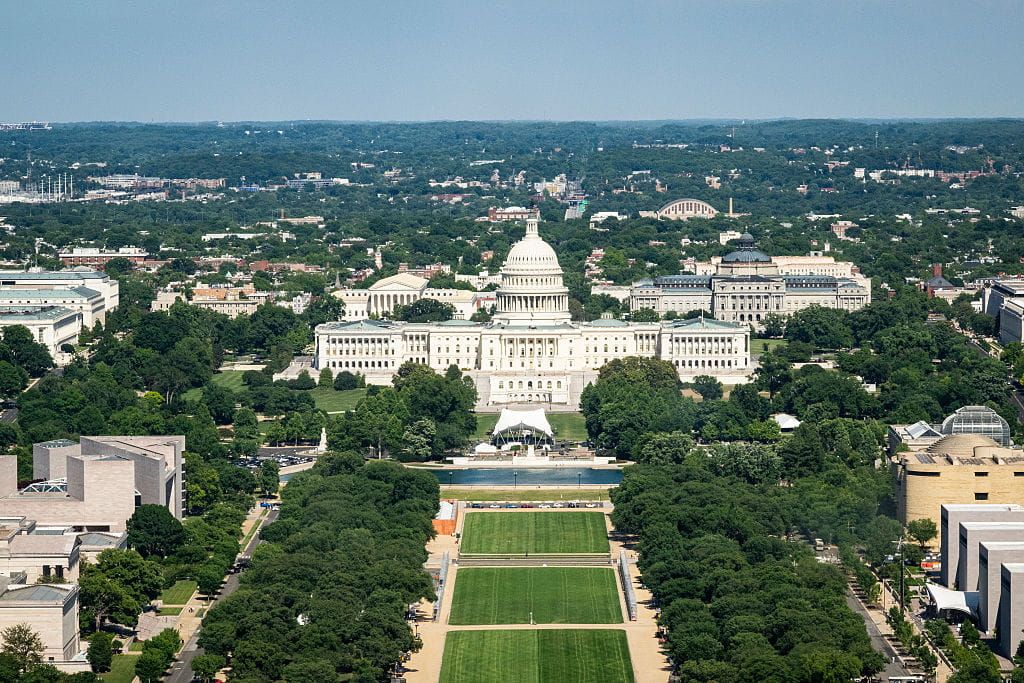
Congress has reconvened in early June amid familiar gridlock, with urgent battles over spending, border security, and oversight set to define the coming weeks.
“It’s Groundhog Day again as lawmakers return to face problems they’ve failed to solve numerous times already.” That line captures the mood as the halls of Congress fill up on Jun 1, 2026. Members face a calendar full of deadlines and the same hard choices: fund the government, secure the border, and rein in runaway spending. The country expects results, not rehearsals of old standoffs.
Appropriations will drive the agenda because without timely funding the government limps from one continuing resolution to the next. Republicans argue those stopgap measures reward bad behavior and let unchecked spending continue, so conservatives are pushing for hard choices now. The debt remains a looming threat to economic stability, and voters expect lawmakers to act with fiscal restraint. The coming votes will make clear whether Washington learned anything since the last showdown.
Border security is another litmus test that won’t be parked for later. Republican lawmakers insist that funding be tied to clear reforms and real enforcement, not open-ended promises. That stance aims to restore order and reduce the incentives that encourage illegal crossings. How confidently the majority stands by those demands will reveal whether this Congress can deliver tangible policy wins.
Oversight and accountability will also be in play, with committees expected to press the executive branch on spending decisions and policy rollouts. Conservatives see oversight as a core responsibility, not a partisan pastime, and want full transparency on emergency declarations and large federal contracts. Those investigations could shape public opinion and influence how funding bills are negotiated. Effective oversight can be a tool to curb waste and strengthen public trust.
The Senate rules and leadership dynamics complicate action, making negotiation essential but tricky. Filibuster and procedural hurdles mean that even commonsense reforms need coalition-building and discipline. Republicans must balance the pressure from the right for bold cuts with the practical need to pass bills that can survive both chambers. Strategy will matter as much as rhetoric.
Policy priorities beyond budget fights will test the chamber’s appetite for reform, from permitting changes to boost energy production to measures aimed at reducing dependence on hostile states. Conservatives favor market-based fixes and regulatory rollback to spur growth without increasing the federal footprint. These items could move in piecemeal packages or be folded into larger must-pass legislation, depending on how negotiations proceed.
Expect intense floor battles and high-stakes votes that will define this session more than any speech. Republican lawmakers will press for clear deliverables: spending restraint, border control, and accountability. If they can convert campaign promises into enforceable policy, they’ll change the narrative about Congress’s effectiveness. If not, the cycle of crisis and delay looks set to continue.
There is no shortage of challenges on the docket, and the coming weeks will reveal whether Congress can break the pattern or merely rehearse it again. The choices made now will shape policy for months and put political credibility on the line for leaders in both parties.

