

When Words Burn: Speech, Responsibility, and the Conservative Response
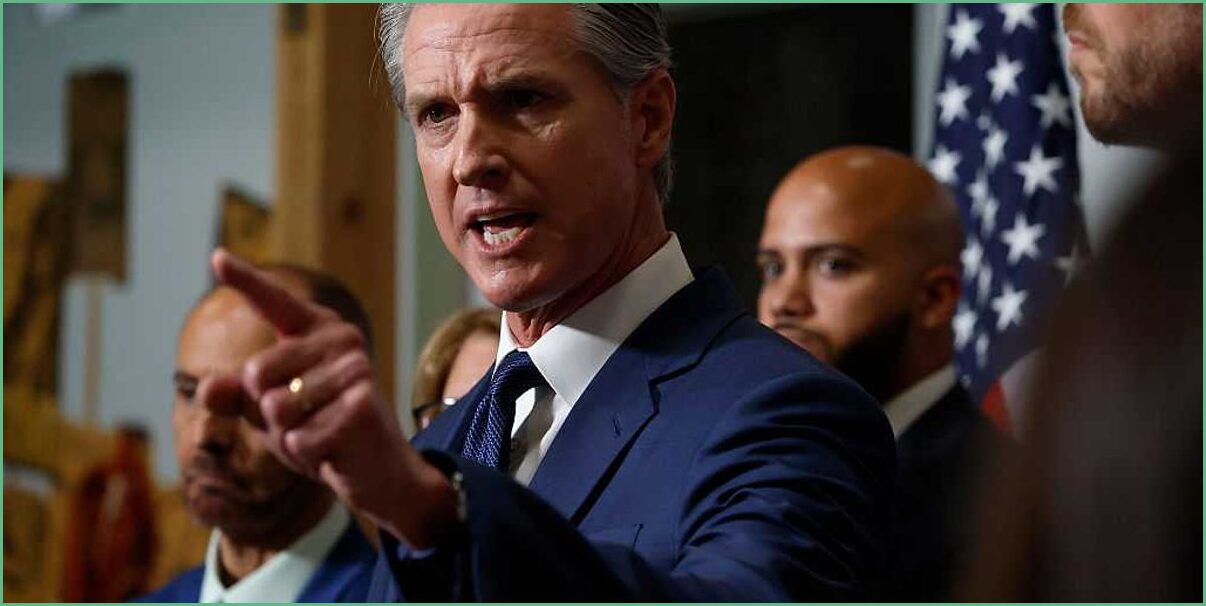
Over a tense weekend, California Gov. Gavin Newsom called White House adviser Stephen Miller “FASCIST” on X, using his official press office account . Hours later, a horrific shooting hit a Latter-day Saints church service in Michigan, and though unrelated, the timing was jarring. That collision of headlines forces a hard question: when rhetoric spikes and violence already gnaws at the edges, who calms the street and who fans the flame?
Weeks earlier, Attorney General Pam Bondi unsettled conservatives by saying she would prosecute “hate speech.” After years of seeing universities and elites label conservative and Christian views as “hate,” many on the right worried Bondi might simply wield the same cudgel back at people she dislikes. That instinct matters; the wrong legal route risks turning the free speech defense into a trap conservatives will regret when power shifts.
STEPHEN MILLER IS A FASCIST!
— Governor Newsom Press Office (@GovPressOffice) September 27, 2025
We don’t need to wait for courts. The most powerful judgment comes from ordinary Americans who say, peacefully and firmly: Enough.
What the law actually says
The landmark case is Brandenburg v. Ohio from 1969, and its test is simple: government can’t punish advocacy of violence unless the speech is directed at inciting imminent lawless action, intended to produce that action, and likely to succeed. That’s the bright-line the court drew to protect even crude and offensive political speech. The classic “fire in a crowded theater” example still helps explain why timing and likely harm matter more than mere offensiveness.
Two other legal threads complicate this in practice. First, libel and defamation law can hold speakers civilly accountable for false statements that harm reputations, though public figures face a high bar. Second, known risk plays a role: a public figure who keeps using rhetoric they’ve been warned might rile people could face scrutiny if violence follows their words.
Those legal limits matter because they separate garden-variety insults from actionable wrongdoing. But the First Amendment intentionally gives broad space for political heat and theatrical language, even if it’s ugly or reckless. Conservatives should recognize that protecting this space sometimes means letting opponents be loud and foolish rather than begging government to silence them.
The hypocrisy here stings. Many on the left lecture about tone and civility while freely applying extreme labels to political opponents. When a would-be attacker scrawls a phrase like “Hey fascist! Catch!” on a cartridge, it proves rhetoric can bleed into action. That reality should make everyone pause before weaponizing language for short-term political gain.
But hypocrisy is a political problem, not necessarily a legal one. The right’s instinct should be to expose the double standard and call it out, not to push for legal limits that can boomerang. When laws are broadened to police speech, the side in power always ends up deciding what counts as dangerous rhetoric.
Still, there’s a moral duty. Public figures have influence, and conservatives can demand better behavior from their own side and expect it from opponents. Accountability can be social, not governmental: reputations and careers can be at stake without courts rewriting the bounds of debate.
Conservative strategy should start with clarity about values. Defend the First Amendment fiercely. Oppose actual incitement to violence. And, at the same time, refuse to adopt the censorious instincts of those who want political speech shrunk to safety. The long-term cost of trading liberty for immediate comfort is too high.
A conservative response that actually works
Silencing rivals is tempting when they lie, sneer, or weaponize identity politics. But censorship invites revenge when power flips, and it erodes the free marketplace of ideas where conservatives have historically prevailed. Instead, focus on persuasion, consequences, and the marketplace of attention.
Start by withdrawing money and attention from bad actors: cancel subscriptions, avoid advertisers who bankroll toxic platforms, and choose institutions that prize open debate. Teach young people rhetorical literacy so they spot manipulative framing and answer with logic instead of moral panic. Support schools and civic groups that model vigorous argument rather than safe-speech conformity.
Politically, punish hypocrisy at the ballot box and reward politicians who hold consistent principles. Use scandals and slurs as teachable moments to expose motives and patterns, not as excuses to call for new speech crimes. Let those who traffic in rage see the real cost of their tactics in votes and viewership.
We should also insist government follow its own standards. If a leader repeatedly uses language warned to risk violence, let the legal system examine causation under the Brandenburg framework. But don’t ask prosecutors to act as arbiters of taste. The remedy for foolish speech is better speech and a public that refuses to reward it.
RELATED: The right message: Justice. The wrong messenger: Pam Bondi.
Finally, model the alternative. Answer slurs with facts, expose lies calmly, and build institutions that amplify reason. Let Marxist professors teach to empty lecture halls if their ideas fail the market of minds. Let late-night hosts sneer for a dwindling audience if advertisers quit paying for their cynicism.
Speech shapes climates of trust and violence, but law is a blunt instrument for culture wars. Conservatives win not by shrinking debate but by expanding their persuasive power, holding hypocrites to account through votes and markets, and defending the free speech that makes the country worth fighting for. Ordinary Americans can say, peacefully and firmly: Enough.

