

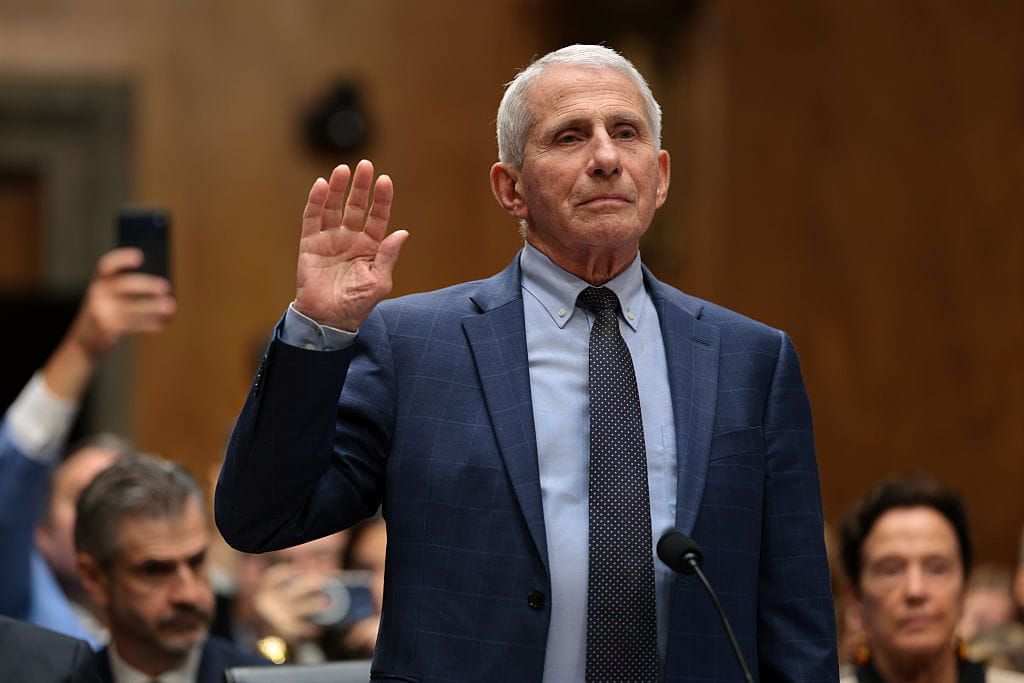
Anthony Fauci faces mounting legal and political pressure as contempt proceedings move forward, raising fresh questions about documents, testimony, and accountability for actions taken during the pandemic.
Contempt citations and related legal maneuvers have put Dr. Anthony Fauci squarely under the microscope, and Republicans are pushing hard for clear answers. The focus isn’t just on words or public statements but on underlying records, emails, and funding streams that shaped pandemic policy. Aug 7, 2026 is already marked as another checkpoint in this unfolding saga.
“Contempt proceedings portend more revelations.” That line captures where things stand: procedures designed to compel cooperation often unlock material that was previously shielded. For those worried about accountability, that prospect is welcome; for Fauci and his allies, it promises scrutiny and unwanted exposure.
Republicans emphasize that oversight is not a witch hunt but a necessary check on officials who wielded enormous power during an emergency. They argue that when agencies and advisers shape public policy, elected representatives have a duty to examine the record. This insistence on transparency is rooted in restoring public trust after years of contested guidance.
Legal consequences for contempt can range from fines to criminal referrals, and those possibilities are now part of the conversation. Congressional contempt can trigger DOJ involvement, and even civil enforcement can pressure witnesses to comply. Every legal step raises the stakes and tightens the timeline for answers.
Beyond the courtroom, there are reputational and political repercussions to consider. Fauci’s decades-long role in public health makes this more than a single-person story; it is about how expert advice translated into policy. Republicans are framing the investigation as necessary to prevent future unilateral decisions that bypass scrutiny.
Records and communications are central to the inquiry: who advised whom, which studies guided decisions, and how funding flowed to labs and projects. Lawmakers want to see the chain of custody on key memos and emails that influenced lockdowns, mandates, and research priorities. Those documents could clarify intent and illuminate whether policy choices were defensible or flawed.
Facing subpoenas and hearings, Fauci must weigh cooperation against legal risk, and his legal team is likely mapping a careful response. Negotiations over scope and privilege often determine how much material becomes public. Republicans expect these processes to reveal inconsistencies and to force a fuller account of decision-making.
Politically, the fallout could reshape debates over public health authority and federal influence in emergencies. Conservative lawmakers see an opportunity to push reforms that limit open-ended agency power and strengthen congressional oversight. They also view the proceedings as a chance to hold a prominent figure accountable in a way that sends a message about transparency.
At the heart of the matter is trust: citizens deserve a clear record of how choices that affected millions were made. The proceeding timeline, the documents produced, and any legal findings will all feed into a broader judgment about pandemic governance. “Anthony Fauci — (Photo by Anna Moneymaker/Getty Images)” remains an unmistakable image tied to those contested years and the questions now being aired.

