

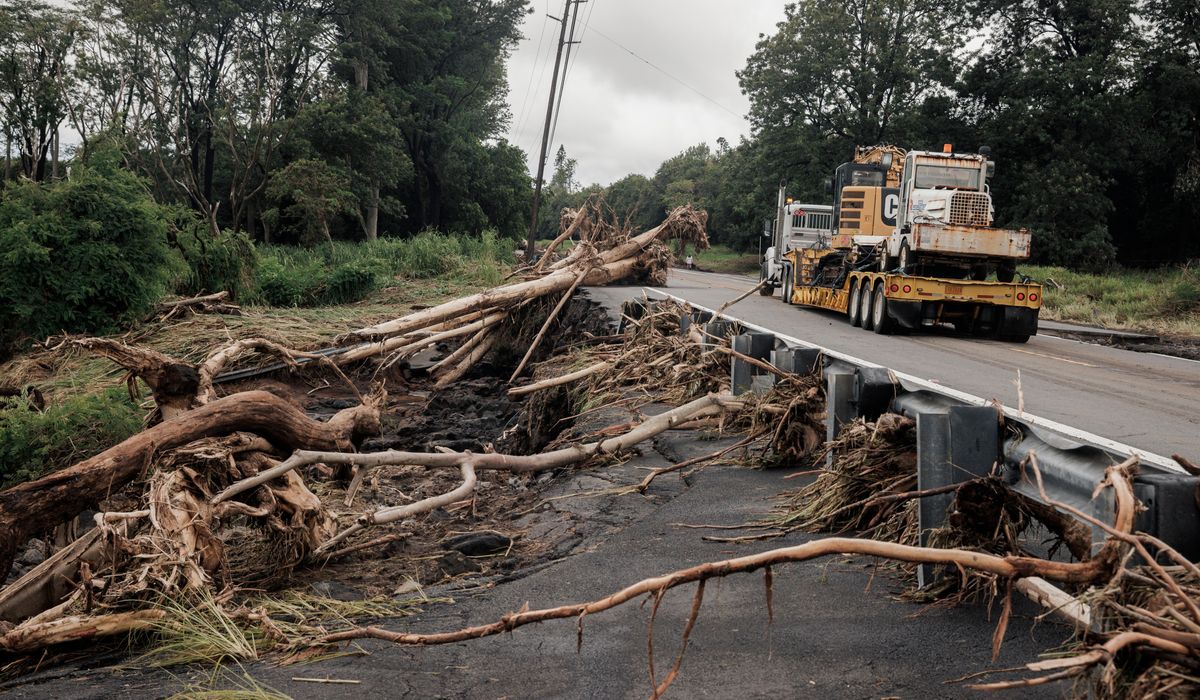
Crews worked Tuesday to restore power to thousands in Hawaii after the outer bands of Lala swept through the islands over the weekend, leaving destructive flooding and one fatality in their wake.
Utility workers fanned out across hard-hit neighborhoods Tuesday, tackling downed lines and damaged equipment as they worked to bring electricity back to thousands of residents. The outer bands of Lala battered the archipelago over the weekend, and recovery teams moved in as waters receded and debris was cleared. Local authorities and crews focused first on hospitals, critical facilities and areas with the most extensive outages.
Flooding left streets strewn with mud and uprooted vegetation, and many driveways and low-lying properties remained waterlogged. Residents reported collapsed fences and soggy yards, and crews had to navigate blocked roads to reach key sites. The heavy rain also turned drainage systems into clogged channels, slowing the initial cleanup and repair work.
Restoring power meant not just repairing wires but making sure poles and transformers were safe to energize, a process that can take time when access is limited. Technicians isolated damaged segments and rerouted supply where possible to speed partial restorations. Safety remained a priority, with crews working methodically to avoid secondary outages or electrical hazards amid lingering water and debris.
One person died during the storm, a stark reminder of how severe conditions became when Lala’s bands swept through. Emergency responders continued to account for the needs of people who were displaced or unable to return home while teams checked structures for stability. Community centers and local groups stepped in to distribute supplies and help coordinate short-term shelter and basic necessities.
Road crews and public works teams focused on reopening primary routes, clearing fallen trees and removing swept-up materials so utility vehicles could reach neighborhoods. In many places, mud and silt had to be shoveled out of culverts and gutters to restore flow and prevent renewed pooling from smaller follow-up showers. That work ran alongside power restoration because both are essential to getting residents back to normal routines.
Water quality concerns lingered after widespread flooding, so residents were advised to avoid contact with standing water and to watch for boil-water notices where systems were affected. Cleanup teams prioritized pumping out basements and lower floors and securing sites that posed public-safety risks. Volunteers helped distribute bottled water and basic hygiene supplies to families dealing with contaminated or disrupted water service.
As crews continued the push to restore service, officials reminded people to stay clear of downed lines and to report outages through official utility channels rather than attempting repairs themselves. Patience was necessary, since prioritizing hospitals, emergency services and large population centers can mean some neighborhoods wait longer for full restoration. The recovery process here will be measured in days for many services and possibly longer where structural repairs are required.

