

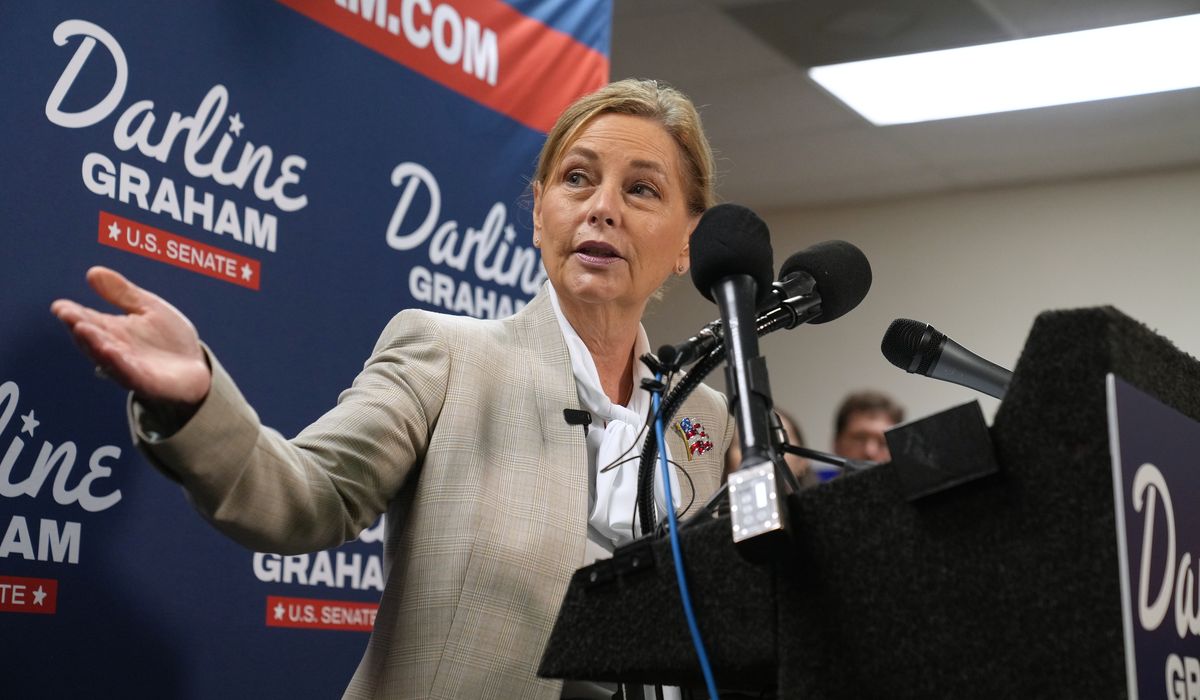
Sen. Darline Graham steps into the Republican spotlight in South Carolina, promising steadiness and conservative priorities as she prepares for the general election.
U.S. Sen. Darline Graham won the Republican nomination to replace her late brother Lindsey Graham on South Carolina’s general election ballot. That single fact changes the map for Republicans and voters in the state who prefer experienced leadership over uncertainty. The campaign now shifts from intraparty jockeying to offering a clear case to general election voters about who best defends conservative values.
This is more than a name on the ballot; it’s a continuity play for a Senate seat that matters to national policy and local interests alike. Supporters will point to the Graham name as shorthand for a steady hand, national respect, and a clear conservative record. Critics will say name recognition alone is not governance, but in politics, stability counts, especially in a midterm environment where turnout can be uneven.
Darline Graham inherits both a legacy and a responsibility to articulate priorities that resonate with the Republican base. She will need to underscore commitments to limited government, strong borders, fiscal restraint, and a defense-first foreign policy. Those clear pillars should make the choice simple for voters who want experienced conservatism rather than experiment or drift.
Republicans should see this candidacy as an opportunity to consolidate support and sharpen their message ahead of November. The campaign has to convert sympathy and recognition into policy credibility and a robust ground game. That means mobilizing volunteers, speaking directly to small-business owners and veterans, and showing measurable plans for South Carolina’s economy and security.
On the opposing side, Democrats will try to nationalize the race and paint any newcomer as out of step with everyday concerns. Republicans can counter by focusing on local issues and practical outcomes: lowering costs, cutting red tape, protecting law and order, and keeping families safe. Concrete promises and a record-oriented platform beat vague appeals in tight races.
Fundraising matters, and the new nominee must quickly build the financial resources to match high-profile national attention. Money fuels ads, staff, and turnout operations, and it signals momentum to skeptical donors and wavering endorsements. A strong early fundraising run also helps set the narrative that the campaign is ready to compete across the state, not just in a few media markets.
Expect debates and policy fights to crystallize differences that were muddied during a primary season. Voters want clarity on issues like judicial appointments, energy policy, and education, and they will reward candidates who speak plainly about tradeoffs and solutions. For Republicans, that means offering tangible policy roadmaps that align with conservative principles while addressing voters’ immediate needs.
Winning in November will require more than a familiar surname; it will require discipline, clarity, and a campaign that connects with the full breadth of South Carolina voters. The party should rally to present Darline Graham not merely as continuity but as a tested conservative ready to win and to govern with focus. If the campaign executes on message, organization, and fundraising, it can turn name recognition into a decisive general election victory.

