

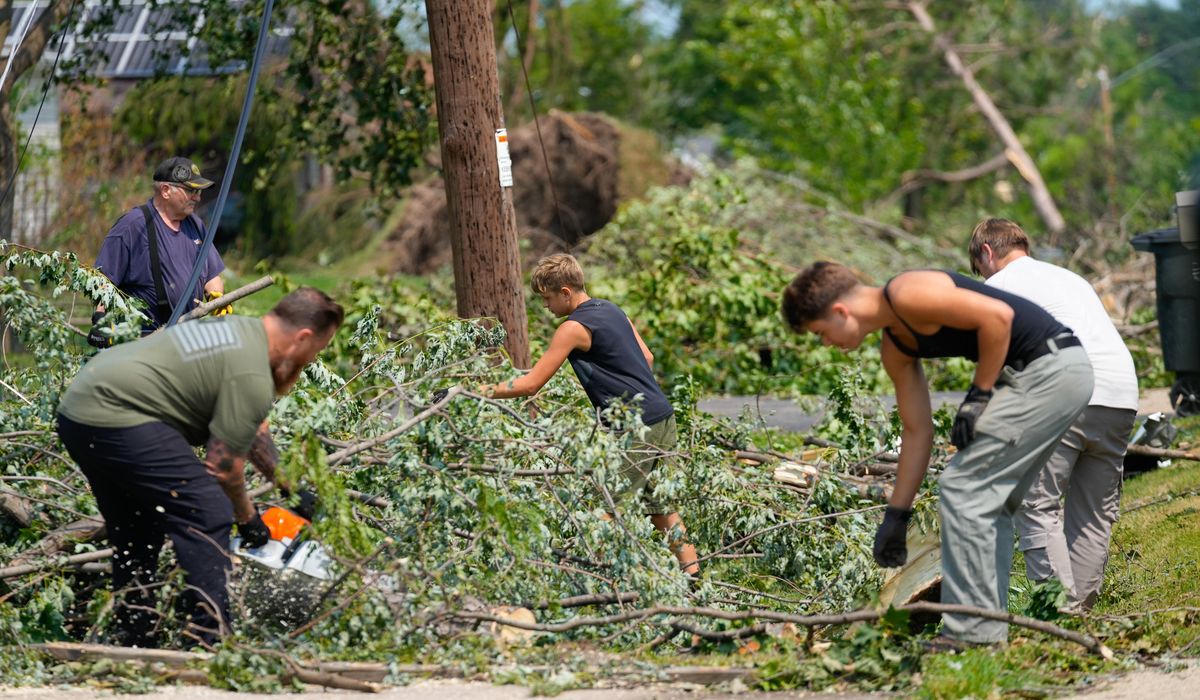
First responders combed through homes and structures after a powerful tornado swept through northeastern Wisconsin, leaving buildings hollowed out and power lines knocked down while residents and crews began the slow work of assessing damage and restoring services.
First responders searched homes and buildings on Tuesday for possible victims, a day after a powerful tornado touched down in northeastern Wisconsin, hollowing out homes and toppling power lines. Emergency teams moved methodically, checking basements, porches, and collapsed rooms where people could be trapped. The atmosphere was tense but focused as neighbors watched and volunteered where they could.
Neighborhoods showed the kind of damage photographers and local residents described in stark terms: walls ripped open, roofs missing, and debris tangled around trees and mailboxes. Vehicles that had been parked in driveways were dented or pushed off the road, and yards were strewn with insulation, siding, and personal belongings. Crews worked to mark unsafe structures and keep the public clear of unstable areas.
Utility lines were down across multiple blocks, and crews prioritized restoring power to critical facilities first. Hospital and emergency facilities were on backup systems until technicians could safely re-energize nearby lines. Residents were advised to avoid downed wires and to report outages through official utility channels rather than attempting repairs themselves.
Local shelters opened to support families forced out of their homes, offering basic supplies and a place to sleep. Volunteers handed out bottled water, blankets, and ready-to-eat meals while relief organizations coordinated logistics. For many, the immediate need was a dry place and a charge for phones so they could reach relatives and insurance companies.
Officials pushed a cautionary message about safety and looting, reminding people that entering badly damaged homes can be dangerous. They also stressed the importance of documenting losses and photographing damage before cleanup begins, a step that helps speed any insurance claims. Information on how to access assistance was being relayed through local radio and social networks.
Meteorologists noted the storm system moved fast, and forecasters said tornadic activity can appear with little warning in unstable air masses. That unpredictability left some residents with only a few minutes to seek shelter, and many reported relying on weather alerts and sirens. Those who took shelter in basements, interior closets, or reinforced rooms described those spaces as lifesaving.
Public works crews shifted from search and rescue to debris removal once initial sweeps were complete, clearing roads to allow emergency and utility vehicles access. Chainsaws, heavy equipment, and dump trucks were visible on main thoroughfares as branches and shattered building materials were hauled away. Officials warned that full cleanup could take days or weeks depending on weather and the scale of the damage.
Community leaders emphasized that recovery is a local effort but can be overwhelming without outside help, and they began reaching out to county and state partners for coordination. Donations of money and vetted supplies are a more efficient way to help than uncoordinated drop-offs, leaders advised, since logistics can bottleneck quickly. Neighborhood groups set up staging points to funnel offers of help into organized relief.
Insurance agents were on the ground offering guidance on filing claims and documenting losses, reminding homeowners to avoid making permanent repairs until adjusters can inspect properties. That guidance is intended to prevent disputes and ensure accurate assessments of damage. Property owners were told to secure temporary fixes like tarps and to keep receipts for any emergency work.
Businesses in affected areas faced closures and postponed services as staff dealt with personal and community impacts, and some storefronts showed broken windows and water damage. Local chambers of commerce started compiling lists of open businesses and urgent needs to help guide recovery spending. Small business owners expressed concern about supply disruptions and the immediate loss of revenue.
Schools in the hardest-hit neighborhoods announced adjusted schedules or temporary closures while facilities were inspected and staff checked on students and families. Administrators coordinated with local authorities to ensure school buildings were safe before reopening and used communication systems to reach families for updates. For many students, schools will be a staging ground for relief distribution in the coming days.
Medical personnel reported treating people for cuts, bruises, and shock in mobile and hospital clinics, while more serious injuries were triaged for transport. Mental health providers were also deployed to help residents process the sudden trauma and displacement. Support lines and counselors were made available to those who needed immediate emotional care.
Amateur radio operators and community groups provided critical communication links where cell service was spotty, relaying messages between shelters and emergency coordinators. That grassroots coordination proved vital in the first hours after the storm when official systems were overloaded. Volunteers with boats and trucks helped reach pockets of the community that were difficult to access.
As the daylight faded, residents gathered to check on one another, sharing generators, food, and photos of missing pets. The resilience and quick response of neighbors and first responders became a central part of the local narrative. Recovery will be measured in repairs and restored services, but also in how communities reassemble daily life around shared loss and support.
Authorities reminded people to stay alert for follow-up storms and to heed official guidance on travel and hazard zones. Cleanup will continue at a deliberate pace to protect workers and residents, and plans for longer-term recovery were beginning to take shape. For now, the focus remained on safety, shelter, and stabilizing the essential services that communities rely on.

