

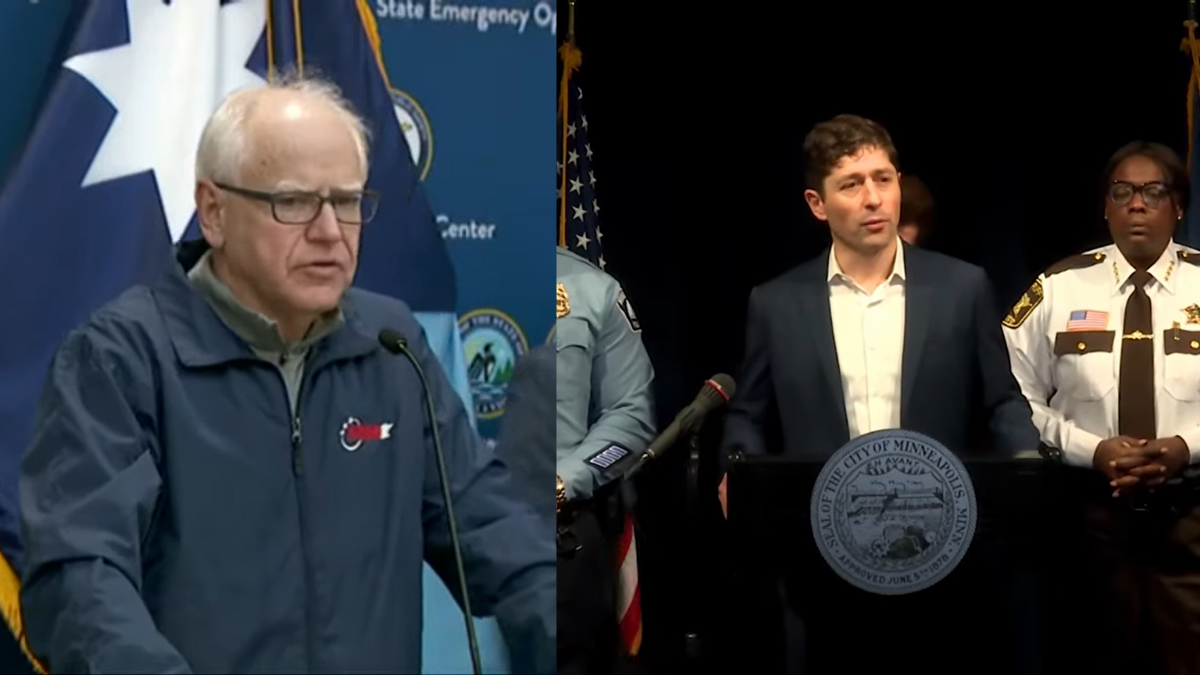
This article examines the fatal shooting in Minneapolis, the policy environment that preceded it, and the political response that followed.
The fatal shooting in Minneapolis did not happen in a vacuum, and many voters see a clear link between public safety outcomes and the choices made by city and state leaders. From budgeting decisions to public messaging about crime and law enforcement, policy and rhetoric shape how communities and criminals behave. The debate now centers on responsibility and whether political actors are prioritizing politics over the people directly affected by violence.
Across cities like Minneapolis, a steady shift in priorities has produced predictable results: less visible policing, more complicated arrest and prosecution regimes, and a public sense that consequences are softer than before. Those trends created an environment where dangerous behavior can flourish if deterrents are weakened, witnesses are reluctant to come forward, and officers feel hamstrung. Pointing to these conditions is not an exercise in cold blame; it is an observation about cause and effect that many residents report feeling every day.
After the shooting, reactions split along familiar partisan lines, and the response from Democratic leaders drew criticism for how it framed accountability and safety. Instead of acknowledging how policy choices may have contributed to the breakdown, some statements leaned into broader systemic explanations and avoided concrete responsibility. That kind of framing lets political leaders appear empathetic while sidestepping uncomfortable questions about results on the ground.
Meanwhile, the tactical use of tragedy for political advantage became obvious to observers who watch both messaging and timing. When a crisis is treated as a platform rather than a problem to solve, the victims and the community get pushed to the back of the narrative. Capitalizing on chaos can mean seizing headlines and steering debates toward slogans rather than hard changes that actually reduce violence.
The human cost of that political calculus shows up in neighborhoods where people are anxious to walk their streets and parents worry about sending kids out to play. Businesses hesitate to invest, schools struggle to concentrate on learning, and local trust in institutions erodes when safety feels conditional. Those are not abstract consequences; they are day to day realities that compound over time and make recovery harder for the same communities liberal policies often claim to help.
The media plays a role in this ecosystem by repeating talking points that often favor narrative over nuance, and that practice amplifies whatever political class stands to gain from confusion. When coverage centers on partisan theater, it obscures the operational fixes residents need, like clearer rules of engagement for police, consistent enforcement, and support for witnesses and victims. Honest reporting would treat the policy landscape as part of the story instead of merely a backdrop for partisan sound bites.
The Republican perspective is straightforward: public safety requires clear accountability and consistent enforcement, not shifting explanations after a tragedy. That view calls for restoring confidence in law enforcement, backing policies that deter violent crime, and making sure victims get attention before political narratives do. This is not about scorched earth politics; it is about insisting that governance be judged by outcomes, and that when outcomes are disastrous, leaders stop offering excuses and start fixing what went wrong.
Looking ahead, the choice for voters is whether they will accept politically convenient narratives or demand leaders who own the consequences of their decisions and deliver safer streets. The people most affected want practical solutions and genuine accountability, not slogans repackaged as compassion. The debate will continue, but for many citizens the priorities are simple: protect communities, support victims, and stop making political capital out of other people’s grief.

