

Americans expect their government to put citizens first, and debates over immigration policy have made that expectation a political flashpoint.
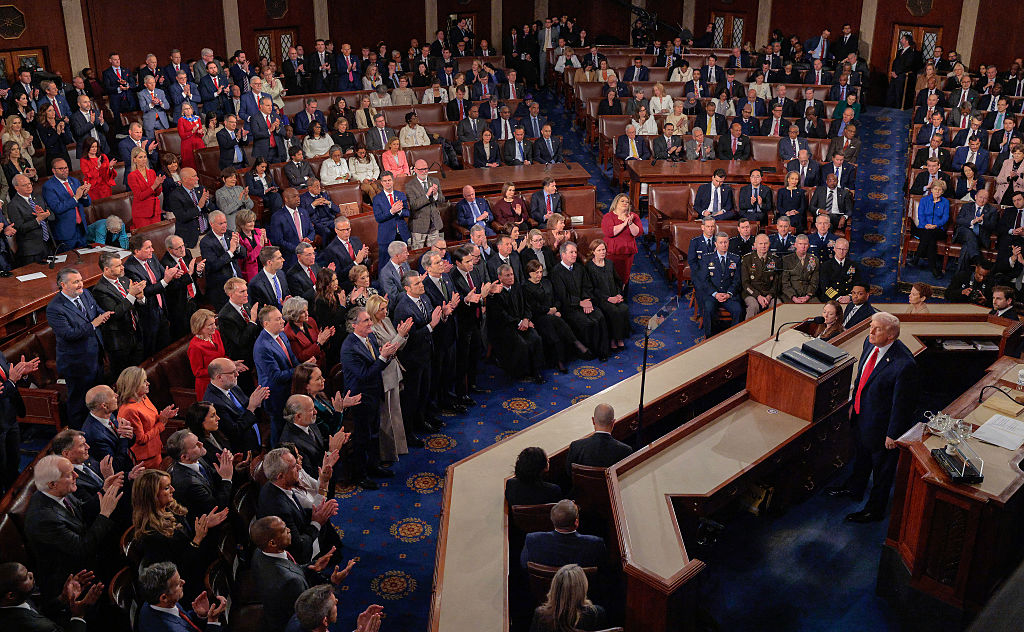
The recent refusal by many congressional Democrats to explicitly agree that American citizens come before illegal entrants at a national address exposed a stark divide on immigration priorities. That moment crystallized broader disagreements about border security, enforcement, and the consequences of current policy choices. The clash is not merely rhetorical; it reflects competing visions of who the federal government serves and how it should protect communities.
Border enforcement has been weakened by a patchwork of policies that encourage irregular migration, strain local services, and undermine legal pathways. When lawmakers refuse to prioritise citizens, public confidence in government protection slips and frustration grows. The result is predictable: more pressure on local hospitals, schools, and housing markets where resources are limited.
Policy choices matter. Ending catch-and-release, enforcing deportation orders for those who don’t qualify for asylum, and restoring credible deterrence at the border would reduce incentives for dangerous journeys. Practical enforcement combined with streamlined, secure legal channels can separate legitimate asylum claims from mass economic migration. Americans want rules that are enforced consistently and fairly.
Interior enforcement is equally important; secure borders alone do not solve the problem of illegal residency and employment. Stronger workplace verification systems protect both workers and businesses by reducing the demand for undocumented labor. When we enforce the law at hiring points, we remove a major pull factor that motivates illegal entry.
Asylum law is being gamed by smugglers and opportunists who exploit loopholes and legal delays. Reforms that expedite credible-fear screenings and limit repeated claims can close the loop holes without abandoning genuine refugees. The goal should be a humane system that prioritizes real victims and prevents exploitation of a broken process.
Sanctuary jurisdictions complicate federal efforts by undermining cooperation with immigration authorities and creating safe havens for criminal actors. Local governments must be held accountable when they impede lawful enforcement and endanger communities. Cooperation between federal and local authorities is not optional if public safety is the priority.
Fiscal responsibility is also central to this debate. The costs of unmanaged migration fall heavily on taxpayers through emergency healthcare, education, and law enforcement. Prioritizing citizens means protecting the public purse and ensuring limited resources serve those legally entitled to them. Conservative policymakers view sound budget stewardship as part of national security.
A broader, merit-based legal immigration system would restore order, reward skills, and reduce incentives for illegal entry. Structured pathways tailored to economic needs help businesses while preserving worker protections for American employees. Reform should balance compassion with clear rules that defend national interests and labor markets.
Political messaging matters as much as policy. When leaders refuse to affirm citizens-first principles, it signals tolerance for lawless outcomes and fuels voter anger. Republicans argue that clear, consistent messaging backed by enforcement rebuilds trust and deters future crises. Leadership requires not just words but follow-through on promises to secure borders and enforce laws.
Technology and manpower investments at the border can improve detection, processing, and return operations without abandoning humanitarian duties. Better surveillance, biometric processing, and faster adjudication free up resources and reduce backlogs. A modernized system protects both national security and the dignity of those with legitimate claims.
Finally, civic norms and public discourse must shift back toward rule of law and national stewardship. Citizens expect their government to defend borders, enforce laws, and manage immigration in ways that support community safety and economic stability. Policymakers who prioritize these principles will be answering a clear public mandate.
The country faces a choice: continue with policies that incentivize disorder or implement realistic, enforceable reforms that restore control and fairness. A citizens-first framework is straightforward and achievable when policymakers combine enforcement, legal reform, and fiscal discipline. The coming debates will test whether elected officials act on those priorities or stick with a status quo that leaves communities to pick up the pieces.

