

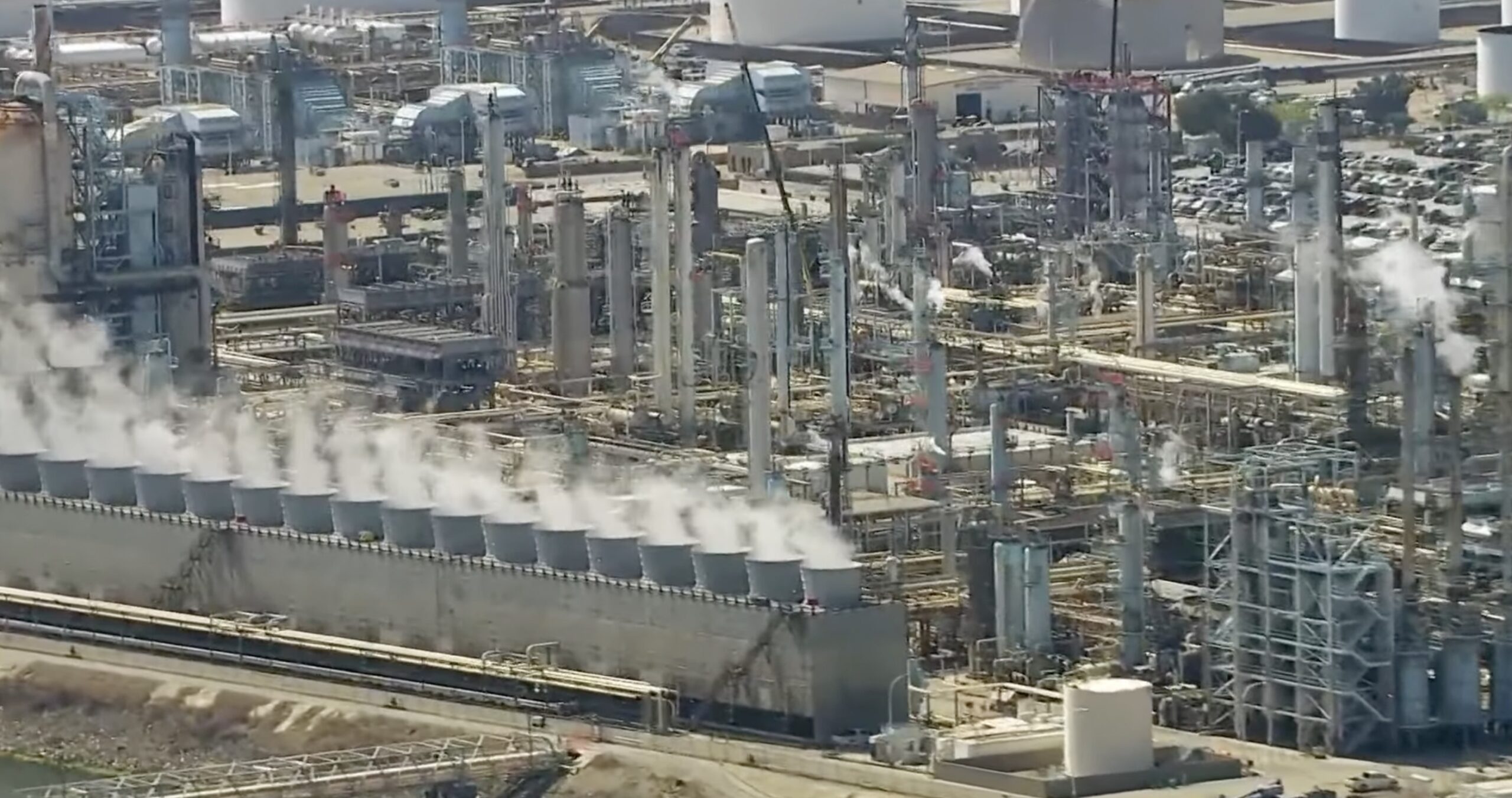
America must treat energy choke points as a strategic vulnerability and act to secure supply chains, bolster domestic production, and modernize our infrastructure to protect national security and economic stability.
We depend on reliable energy to run industry, keep homes warm, and maintain military readiness, so weak links in the supply chain are dangerous. The simplest reality is that threats at narrow maritime passages or foreign-controlled infrastructure can suddenly raise costs and limit options. In a hard world, relying on others for the fuel that powers our economy and defense is a choice with consequences.
‘If your energy supplies depend on a foreign choke point, that’s a national security issue.’
That sentence cuts straight to the point. It matters whether oil or liquefied natural gas must pass through single points like the Strait of Hormuz or the Malacca Strait, because a handful of bad actors or a technical failure can throttle global flows. From a Republican perspective, the right response is clear: reduce exposure, strengthen deterrence, and keep production close to home whenever feasible.
Energy independence is not an abstract slogan; it is a policy direction that creates leverage and protects American lives. Boosting domestic energy production—responsibly and with modern standards—gives policymakers breathing room during crises and lowers our vulnerability to coercion. That means investing in resilient pipelines, refining capacity, storage, and export capabilities so we can both protect domestic needs and support allies without panic.
Hardening infrastructure matters as much as producing fuel itself, because choke points are often a function of logistics, not geology. Strategic reserves and decentralized storage reduce the damage from temporary disruptions, while redundant routes for sea and land transit make it harder for adversaries to weaponize a single passage. Strong logistics paired with a capable Navy and secure alliances offers credible deterrence against those who would try to shut off supplies.
Sanctions, naval presence, and diplomatic pressure are tools that work, but they are only part of a full strategy. We should never assume sanctions alone will protect our energy flows if we lack domestic capacity and backup options. A layered approach—more production here at home, better storage, smarter diplomacy, and military readiness—gives leaders options without forcing catastrophes into the decision set.
Markets respond to certainty, and policy should aim to create predictable conditions for investment in energy infrastructure. When companies can count on a stable regulatory environment and a clear national strategy, they put money into refineries, terminals, and pipelines that reduce choke point risks. That private capital, guided by sensible public policy, is the fastest route to durable improvements.
Technological advancement plays a role too, from more efficient LNG carriers to better monitoring and rapid-response repair capabilities for damaged facilities. Innovations in hydrogen, advanced storage, and carbon management can widen the menu of options over time, but those technologies will take years and consistent policy to scale. In the meantime, practical steps to protect and expand existing oil and gas capacity matter now.
Energy is also a diplomatic lever; when America can supply friends and allies, it strengthens partnerships and undermines hostile attempts to manipulate markets. Export capacity and reliable deliveries give the U.S. influence that does not depend on unpredictable regimes. Keeping that leverage means keeping production and export infrastructure resilient and under our control as much as possible.
Finally, national security planning must treat energy logistics the way it treats any military supply line: vulnerable and critical. That means contingency planning, joint civilian-military exercises, and investment in both hard infrastructure and the legal frameworks needed for rapid response. The goal is straightforward—make our nation harder to blackmail, quicker to recover from shocks, and more capable of defending its interests without unnecessary dependence on others.

