

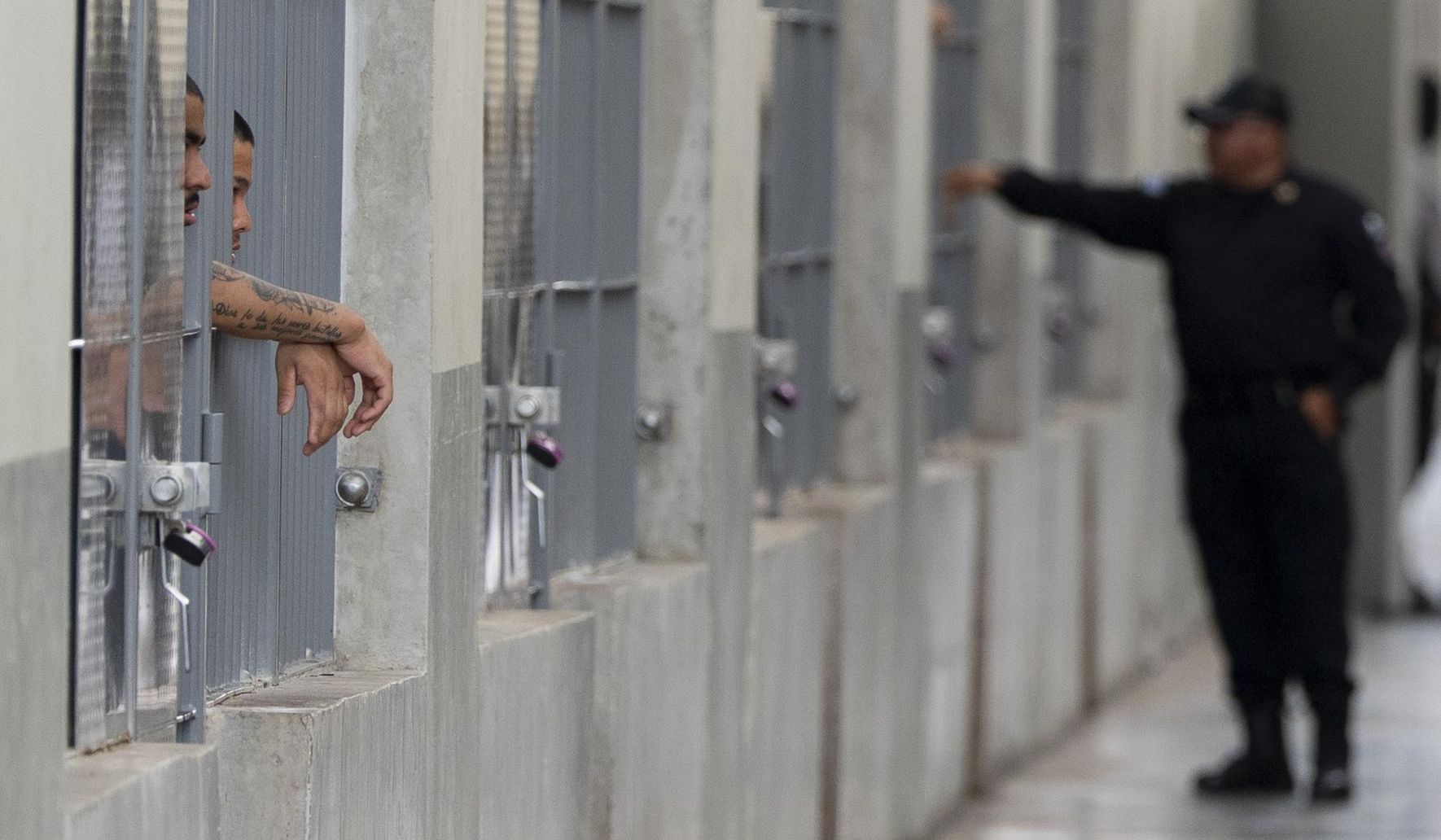
A Venezuelan national who was deported from the U.S. last year and later detained in El Salvador has filed a $1.3 million lawsuit, claiming mistreatment tied to policies and actions he links to the prior administration. The suit says he endured months inside a Salvadoran prison after his removal from the United States. The filing even includes the contention that “he was the victim of President Trump’s hat”.
The man’s complaint centers on the conditions and consequences he faced after being sent back to El Salvador, where he spent an extended period behind bars. He argues the deportation and subsequent detention caused harm and seeks compensation for damages amounting to $1.3 million. Those details are at the heart of a legal fight that raises questions about how executive actions translate into real human costs abroad.
From a Republican standpoint, the issue is complicated but clear on one point: enforcement of immigration law is not interchangeable with abandoning responsibility for how removals play out. Securing the border and enforcing immigration statutes are core duties of the federal government, yet policymakers and enforcement agencies should anticipate and try to mitigate foreseeable harms. Lawsuits like this test the balance between firm policy and the duty to ensure humane outcomes when people are repatriated.
The lawsuit’s unusual phrasing, quoting that the plaintiff “was the victim of President Trump’s hat”, frames the case in political terms and invites scrutiny about causation and accountability. Republicans typically defend the necessity of robust enforcement, but they also expect claimants to show a clear legal link between an administration’s policy and a specific, unlawful act. Courts will need to decide whether that connection exists or if the claim is a symbolic targeting of a former president.
Legal scholars on both sides note that suing over high-level policy choices is difficult; courts generally give significant deference to the executive on immigration and national security matters. That deference makes it harder to hold former presidents personally liable for downstream effects of enforcement decisions. Still, litigants sometimes pursue novel theories to draw attention to perceived injustices and to pressure policy changes.
Practically speaking, the suit raises questions about vetting, notice, and coordination before deportation occurs, especially when the receiving country has a risk of imprisonment or persecution. Agencies that carry out removals are expected to follow procedures designed to prevent obvious harm, and any breakdown in those procedures may be relevant in court. A successful claim would likely require documentary proof that officials knowingly routed someone into a dangerous or abusive situation without proper safeguards.
Public reaction to these kinds of cases often splits along partisan lines, with conservatives emphasizing government duty to enforce laws and maintain sovereignty. Many Republicans will argue that enforcement reduced illegal entry and strengthened the rule of law, while insisting that improvements in bilateral coordination and oversight can address episodic failures. It’s a pragmatic stance: defend the policy, but fix the process where it fails.
The plaintiff’s story also shines a light on the conditions within foreign detention systems and how deportation intersects with international human rights concerns. Even staunch enforcement advocates accept that governments should avoid shipping people into circumstances where basic protections are absent. That recognition can motivate policy tweaks without abandoning a commitment to firm borders.
Courtroom calendar and procedural hurdles will shape how this claim proceeds, and the claim’s political overtones could influence public perception more than legal outcome. If the case moves forward, it will force judges to wrestle with where individual responsibility ends and broad policy discretion begins. For now, the $1.3 million filing stands as a vivid example of how immigration enforcement, foreign detention, and partisan debate collide in the legal arena.

