

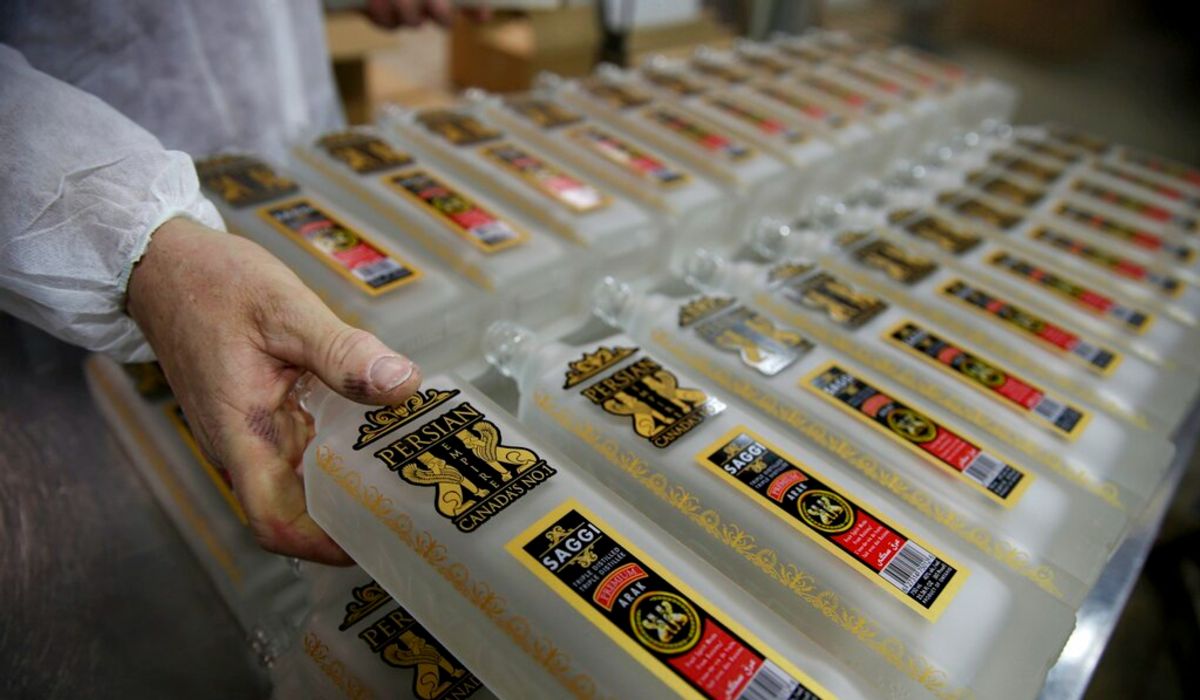
President Trump’s decision to ban Canadian alcohol imports has drawn a sharp response from the U.S. distilling industry, which wants the move to end in a practical, mutually acceptable solution rather than a damaging tit-for-tat escalation.
A major lobby for U.S. distillers said Wednesday that President Trump’s ban on Canadian alcohol imports must lead to a positive resolution for both nations, rather than a bitter cycle of revenge. That statement landed quickly in trade and industry conversations because distillers feel immediate pressure when cross-border flows get interrupted. The industry lobby made clear it wants stability, not ongoing retaliation that hurts producers on both sides.
From a Republican perspective, this kind of trade action is a negotiation tool, not the end point of policy. The goal is to use leverage to secure better terms and protect American jobs, supply chains, and standards. Conservatives tend to back firm moves when they are paired with a clear path to talks and outcomes that benefit U.S. producers.
Distillers are practical businesses that run on predictability and margins, so sudden market disruptions matter. Smaller operations in particular lack the scale to absorb prolonged trade barriers, and exporters can lose customers if shipments stop. Lawmakers and industry leaders are watching for measures that restore confidence quickly.
At the same time, there is a real danger in responding to a ban by simply mirroring it back with equal force. Retaliation can spiral and create unnecessary collateral damage for farmers, distributors, bartenders, and local economies. The lobby’s plea leans into that risk and argues for a path that avoids long-term damage to either side.
Republicans who favor the President’s stronger posture want to see the ban used to win concrete concessions and to protect intellectual property and safety standards at the border. They also want an exit strategy that trades pressure for results rather than turning pressure into permanent division. That approach insists on accountability and an emphasis on American workers.
Industry leaders are urging negotiators to move fast and be transparent about timelines and benchmarks for lifting restrictions. Clear criteria help companies plan inventory, maintain staff, and avoid costly adjustments. The distillers’ message is that trade tools should be surgical, not blunt instruments that leave whole sectors wounded.
There is political upside for those who can turn a tough stance into a successful deal that protects domestic industry without sacrificing export markets. Winning a better arrangement would validate a strategy of aggressive negotiation followed by cooperative implementation. Lawmakers on both sides of the aisle will evaluate the political returns by looking at jobs saved and markets preserved.
For now, distillers and elected officials are bracing for talks, public pressure, and possibly legal challenges, while keeping an eye on practical fixes. Firms will want assurances that paperwork, inspection procedures, and customs rules are handled efficiently so commerce can resume. Industry groups are preparing to present data and testimonials that show why a quick, balanced resolution matters.
What comes next will hinge on how negotiators translate leverage into concrete, enforceable terms that keep trade flowing and protect American producers. If policymakers use this moment to secure better trade rules and clear dispute resolution, the outcome could strengthen domestic distillers and preserve cross-border relationships. The emphasis from Republican circles remains on firm negotiation, measured implementation, and outcomes that favor American workers and businesses.

