

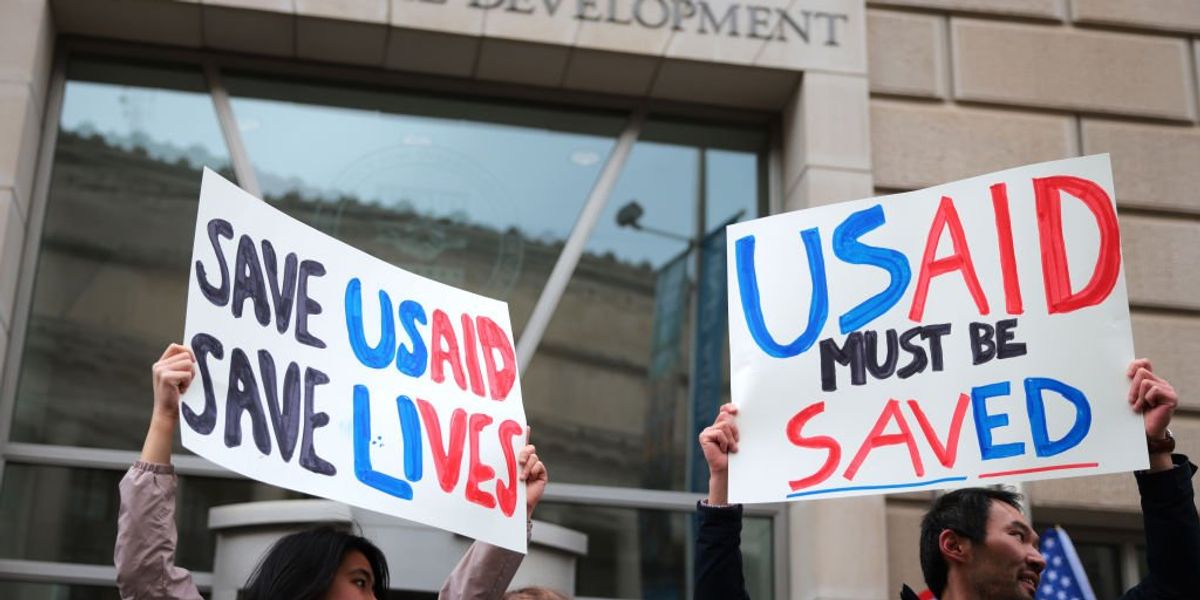
Secretary of State Marco Rubio recently shifted some responsibilities around, particularly concerning the United States Agency for International Development (USAID). According to an email from USAID Deputy Director Pete Marocco, Jeremy Lewin from the Department of Government Efficiency (DOGE) and Kenneth Jackson from the State Department will now take on significant roles. Marocco expressed confidence in the stability and accountability of USAID, noting his intention to return to his previous role as Director of Foreign Assistance.
Marocco emphasized how honored he felt to have supported Secretary Rubio in steering USAID through challenging times. Now that USAID has been stabilized, he looks forward to contributing to American interests in his original position. State Department spokesperson Tammy Bruce echoed this sentiment, highlighting the critical nature of aligning foreign assistance with the president’s goals.
Lewin’s appointment to USAID is noted as the second significant move from DOGE, reflecting a trend in the reorganization. While at DOGE, Lewin was pivotal in reducing USAID’s expenditures, including cutting down a vast majority of its contracts. This restructuring is part of a broader plan to potentially redesignate USAID as the U.S. Agency for International Humanitarian Assistance.
However, these changes have not been without controversy. A lawsuit from USAID staffers led to U.S. District Judge Theodore Chuang temporarily halting further cuts by DOGE. The lawsuit claimed DOGE and figures like Elon Musk were overstepping their authority, leading to the judge ruling the cuts probably unconstitutional.
Judge Chuang’s decision stressed the significance of adhering to the Appointments Clause to prevent informal overreach in governmental authority. Meanwhile, some Republican lawmakers are working to solidify the status of DOGE, hoping to protect it from what they see as persistent legal attacks from the left. This move is seen as crucial to safeguarding the department’s function and effectiveness.
This reshuffling at USAID and DOGE’s involvement is part of a broader governmental effort to streamline operations. The restructuring aims to eliminate waste and ensure that foreign aid aligns with national interests. The changes reflect a commitment to improving efficiency and accountability in government agencies.
The email from Marocco and subsequent actions indicate a strong push towards reform and efficiency. The involvement of figures like Jeremy Lewin demonstrates the seriousness of these efforts. These changes are framed as necessary corrections to past inefficiencies within USAID.
Critics, however, argue that the process has been too abrupt and potentially unlawful. The legal challenges and judicial interventions highlight the contentious nature of these reforms. Supporters of the changes argue that reform is essential for ensuring taxpayer money is used effectively.
The ongoing legal battle underscores the complexity of governmental restructuring. While some see it as a necessary step forward, others view it as an overreach. The debate continues as both sides present their arguments in court and beyond.
The Republican initiative to codify DOGE aims to secure its future against legal challenges. This legislative effort is seen as vital for maintaining the progress made in government efficiency. The hope is that these changes will lead to a more streamlined and effective foreign aid apparatus.
As the situation develops, it is clear that the stakes are high for all involved. Government officials and policymakers continue to navigate these changes with an eye on long-term goals. The outcome of these efforts will likely have significant implications for U.S. foreign assistance policy.
The emphasis on accountability and efficiency reflects a broader conservative approach to governance. By cutting waste and improving oversight, supporters believe these reforms will benefit the American people. The focus remains on aligning government actions with national priorities.
Despite the controversies, the commitment to reform remains strong. The ongoing adjustments are part of a strategic effort to modernize and optimize government functions. This vision is shared by those who advocate for a more effective and accountable government.
The current situation at USAID serves as a microcosm of larger debates over government efficiency. The efforts to streamline operations resonate with broader conservative values. As these changes unfold, the focus remains on ensuring that taxpayer dollars are spent wisely.
In the end, the reforms at USAID and the actions of DOGE represent a significant shift in how government operates. The emphasis on efficiency and accountability aligns with longstanding conservative principles. The ongoing debate will continue to shape the future of U.S. foreign assistance.


5 Comments
Every judge and everyone in congress who don’t think cutting government spending and eliminating bloated government spending should all have their salaries cut by 50 percent permanently. These assholes make to much money and have ridiculous benefits for life have no respect for the American taxpayers. They don’t care how much money government wastes because they are making millions of dollars off the taxpayers backs. Term limits and no more life time salary and benefits for ever they need to live like everyone else does and pay taxes no stock trading ever.
All of your points are well-made and “on point.” DOGE was created to minimize waste, fraud and abuse that, without a scintilla of doubt, runs rampant throughout so many government agencies.
Brilliantly forcing Demonrats into being on the side of fraud and waste.
Sue, well said and damn straight! Excellent plan cut and cut more from them until they cry uncle or get out of dodge! Who needs or wants these Unpatriotic Parasites!
Assistance to our friends and allies will continue, just not through USAID, which has been revealed to be a corrupted slush fund for CBs.