

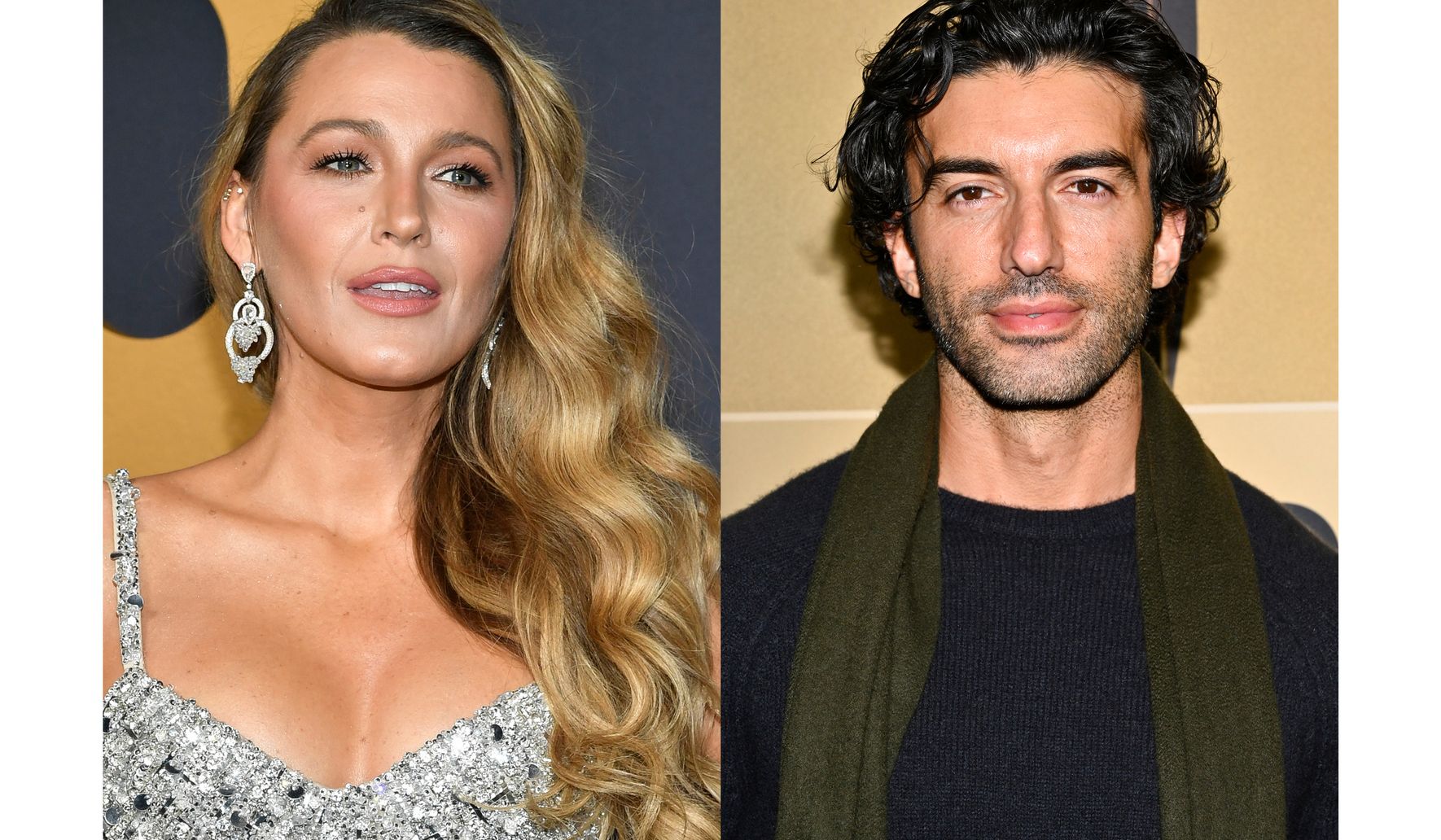
The legal struggle between two well-known actors remains active and is shaping how neighbors, attorneys, and the public watch celebrity disputes play out.
“The legal battle between actors Blake Lively and Justin Baldoni isn’t quite over yet.” That short sentence captures a long, messy arc that many celebrity disputes follow: initial headlines, legal filings, and then a slower, procedural path through courts or negotiation. Even when the public attention fades, the mechanics of the case keep moving behind the scenes.
When a dispute involves high-profile figures, routine civil procedures suddenly get public scrutiny, and that changes the dynamics for everyone involved. Discovery, depositions, and motions for summary judgment all unfold on a timetable set by the court, not by headlines. That means a case can linger months or even years while lawyers sort out facts and legal theories.
Parties often weigh whether to litigate fully or try to resolve matters quietly through mediation or settlement discussions. Those choices are strategic: going to trial can clarify legal rights but also increases costs and extends publicity. For celebrities, the trade-offs include reputational impact as well as monetary exposure.
Legal teams will typically focus on sharpening the core claims and defenses, whether they involve property issues, privacy concerns, or contractual disputes. Expert witnesses and detailed evidence can become decisive, and courts care about documentary proof rooted in law rather than public sentiment. That process narrows the dispute to legal elements that judges and juries can reliably evaluate.
Court filings themselves can be tactical tools, shaping narratives and signaling positions to the other side. A carefully drafted motion can push the case toward dismissal, or conversely, open the door to discovery that uncovers new information. For observers, those filings provide a structured glimpse into what each side believes it must prove.
Judges also manage civil schedules with an eye toward fairness and efficiency, balancing the right to a thorough process against the need to avoid endless delay. Hearings on motions, deadlines for exchanging documents, and trial dates all create pressure points where settlement becomes more or less attractive. That calendar reality often nudges parties toward practical solutions.
Outside the courtroom, public reaction and media coverage shape the atmosphere but rarely dictate legal outcomes. Law relies on rules of evidence and statutory standards, not on clicks or commentary. Still, public attention can affect negotiation leverage and the willingness of each side to accept compromise.
Insurance considerations and the involvement of outside counsel can alter the stakes, too, by spreading risk or bringing specialized expertise into play. When insurers or third-party stakeholders get involved, talks can move faster or become more complicated depending on coverage and contract terms. Those backstage players often determine whether a dispute escalates.
Whatever the legal path ahead, the practical questions remain the same: how facts will be proven, what legal doctrines apply, and whether a court will accept one side’s interpretation over the other. That procedural grind is where most disputes are won or lost, regardless of the names attached. It’s an important reminder that celebrity cases follow the same legal rules as any other civil matter.
The attention a dispute draws can change how parties talk about it publicly, but it does not change the law on the books or the standards judges must apply. Expect the case to continue through motions, potentially settlement talks, and, if necessary, trial or appeal. For now, the matter lives in the legal system where time, evidence, and strategy will determine the next moves.

