

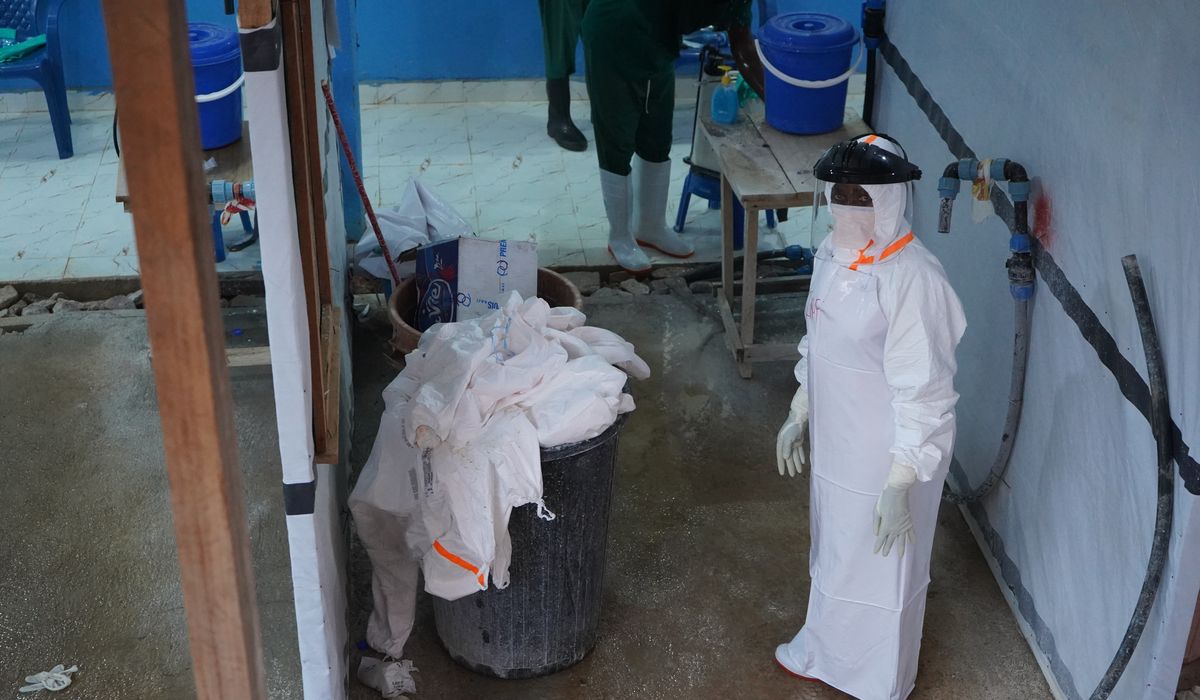
At least 999 people have died from the Ebola outbreak in Congo, according to official data published overnight into Wednesday. This figure underscores the scale and speed of the emergency in a country already struggling with conflict, fragile health infrastructure, and deeply rooted logistical challenges.
At least 999 people have died from the Ebola outbreak in Congo, according to official data published overnight into Wednesday. That grim toll reflects a crisis moving faster than many past outbreaks, stretching local teams and international partners. Health officials are racing to trace contacts, vaccinate at-risk populations, and keep care centers running under dangerous conditions. Communities in affected regions face fear and disruption as the virus continues to spread.
Medical teams are working in difficult terrain where roads are poor and security is unstable, which slows response efforts and limits access to patients. Contact tracing requires door-to-door follow up and repeated visits, and any delay raises the chance of further transmission. Vaccination campaigns are targeted but face logistical hurdles like cold chain maintenance and reaching remote villages. Even when vaccines are available, community mistrust can slow acceptance and blunt impact.
Health workers themselves are on the front lines and have paid a heavy price in this outbreak, with several infections among staff reported in the past weeks. Protecting caregivers with personal protective equipment, training, and safe isolation protocols remains essential. The psychological toll on teams operating under threat and in austere conditions is also significant. Sustaining morale and staffing levels is as crucial as supplying medical kits.
Local governments and international partners are coordinating to scale up laboratory testing and treatment capacity, but resources are finite and demand is rising. Rapid diagnostic tests help speed action but must be paired with reliable confirmatory testing and data reporting. Treatment centers that can isolate and care for patients are being expanded, yet capacity gaps persist. Timely data sharing and transparent reporting are critical for guiding operations.
Community engagement is a central challenge and a decisive factor in controlling the outbreak. Messages that conflict with local beliefs or that come only from outside actors often fail to gain traction. Trusted local leaders, health promoters, and survivors can bridge that gap and improve uptake of prevention and care services. Outreach must be frequent, culturally informed, and sustained to counter misinformation effectively.
Humanitarian access is complicated by competing crises across the region, including armed groups and displacement that uproot families. When populations move, tracking exposures and delivering targeted interventions becomes much harder. Aid organizations have to negotiate safe corridors while balancing speed and security. These realities make containment a longer, more complex effort than in settings with stable infrastructure.
Supply chains for vaccines, personal protective equipment, and essential medicines are strained, requiring careful planning and international support. Cold chain requirements for some Ebola vaccines add another logistical layer that cannot be ignored. Donor funding and timely procurement decisions help maintain necessary stocks and transport options. Without sustained supply lines, even the best field strategies will stall.
Scientific advances have improved the tools available for outbreak response, including effective vaccines and anti-viral therapies that reduce mortality when delivered early. Still, these tools are not a standalone solution; they must be integrated into systems of surveillance, care, and community trust. Rapid research and adaptive strategies continue to inform best practices as the situation evolves. Evidence-driven decisions will shape how resources are prioritized on the ground.
Public health leaders emphasize that stopping the spread depends on consistent, coordinated action across multiple fronts: surveillance, vaccination, safe treatment, and community cooperation. Time is a critical factor—the faster contacts are traced and vaccinations delivered, the better the chance of interrupting transmission chains. The path forward requires patience, persistence, and steady support from both national authorities and international partners. Every delay increases risk and makes the response more costly in lives and resources.

