

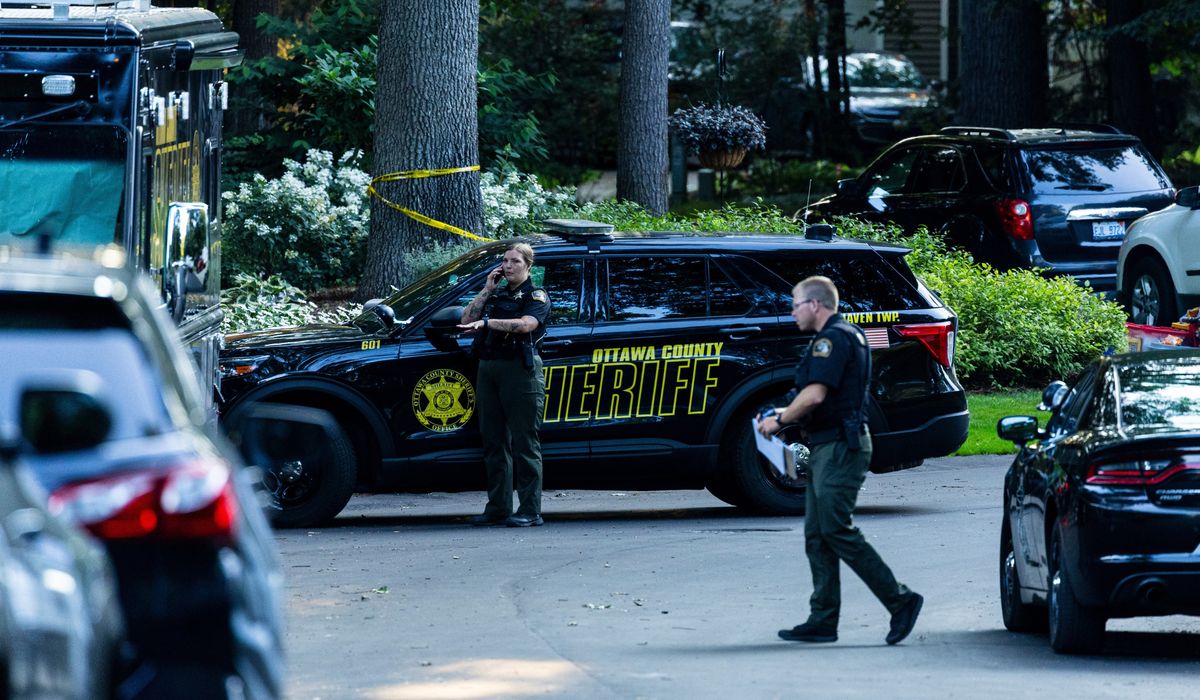
Authorities in Michigan are probing a deadly house fire that investigators now treat as arson following the discovery of eight deceased people, with some victims showing signs of gunshot wounds.
Deputies are investigating a house fire in Michigan as arson in the aftermath of a possible murder-suicide after eight were found dead, some of them having been shot. The blaze drew first responders who found the scene and called in homicide investigators when evidence suggested foul play. Officials have not made public details on identities or motives while they comb the property for answers. The combination of fire damage and gun-related trauma has complicated the early work of investigators.
Neighbors say the home where the incident occurred was an ordinary residence in a quiet neighborhood, which has left the community shaken and searching for explanations. People who live nearby reported seeing emergency vehicles and smoke early in the morning, then a heavy law enforcement presence as the scene became a crime investigation. Local leaders have described the event as a tragic and rare disruption to daily life in the area. Statements from authorities have been cautious, reflecting the ongoing nature of the probe.
First responders secured the scene and firefighters worked to extinguish the blaze before investigators began their canvass of the property and surrounding area. Crime-scene technicians have been collecting physical evidence, taking photographs, and documenting burn patterns that may reveal whether accelerants were used. Ballistics teams were reportedly called in to examine the presence of gunshot injuries among the deceased and to match any potential firearms evidence. That combined investigative approach aims to establish a timeline and determine how fire and gun violence intersected in this case.
Officials have indicated they are treating the incident as a possible murder-suicide, but they have not ruled out other scenarios pending forensic results and witness interviews. Autopsies and toxicology reports will be key to clarifying causes of death and whether multiple shooters or a single perpetrator were involved. Detectives are also searching for digital evidence, such as phone records and surveillance footage, which could shed light on who was present and what happened before the fire. These lines of inquiry often take time but are critical to building a clear picture.
Residents and law enforcement alike are emphasizing patience as the investigation proceeds methodically, since rushed conclusions can undermine justice and public trust. Authorities often weigh community safety announcements against the need to protect sensitive information that could compromise investigative leads. In similar cases, officials sometimes issue briefings to correct misinformation and to reassure the public while withholding details that could affect legal proceedings. That balance is proving important here as people seek answers but investigators work to avoid contaminating evidence.
Forensic specialists are expected to analyze charred materials and any accelerant residues to confirm arson, while also examining the scene for signs of forced entry or struggle. Crime labs will test recovered samples and process any firearms evidence to determine if shots were fired inside the structure or elsewhere. Investigators will also interview family members, friends, and neighbors to construct a timeline of interactions and movements involving the victims. Those interviews can reveal motive, prior conflicts, or warning signs that might explain how such a tragedy unfolded.
Authorities have not released the names of the victims as notifications to next of kin continue, and they have asked the public to respect the privacy of grieving families during this difficult time. Community support networks and counseling services often mobilize after events like this to assist those affected by trauma and loss. Local officials may set up hotlines or information centers later in the process to help residents with safety concerns or to report tips. Meanwhile, investigators urge anyone with relevant information to come forward so the full sequence of events can be reconstructed.
As the probe moves from initial response to deeper forensic work, prosecutors and detectives will coordinate to determine whether criminal charges are appropriate and, if so, which charges fit the evidence. The possibility of a murder-suicide raises complex legal and investigative questions that require careful handling to ensure accountability. Until formal charges or an official cause of death are announced, the community will likely remain on edge as details emerge. The investigation’s findings will ultimately shape how this heartbreaking incident is understood and addressed by law enforcement and the public.

