

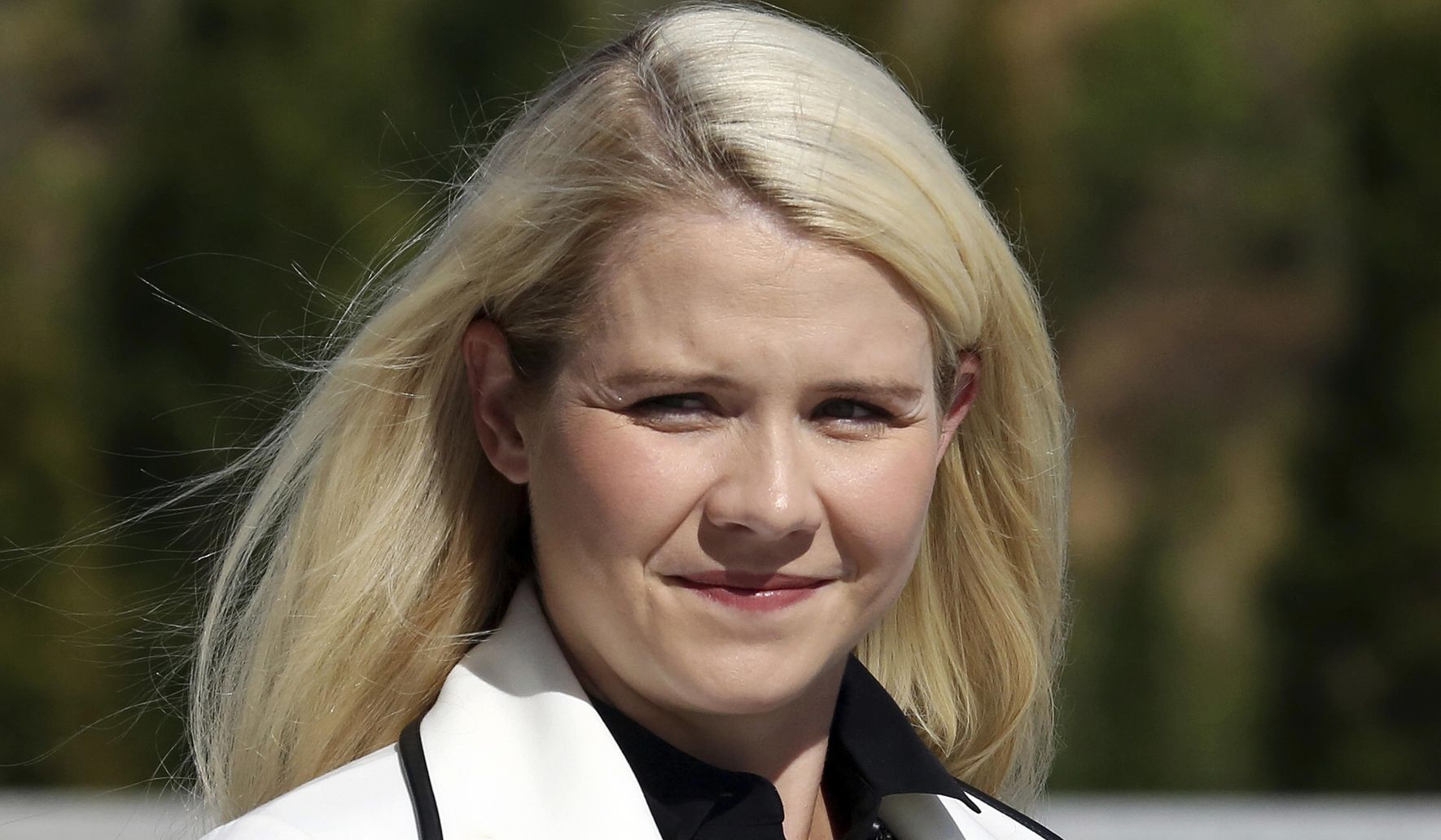
Elizabeth Smart, who was taken from her bedroom at 14 and held captive for nine months, returns to the moments that defined her abduction in a new Netflix documentary that retraces her story and the aftermath.
The documentary puts Elizabeth Smart back into the places and memories that shaped her teenage abduction and prolonged captivity. It follows her as she revisits what happened and lets viewers hear directly from her about those long months away from home. The film is intimate in tone, aiming to let Smart set the record straight in her own words.
Throughout the film, the focus stays on how she survived and what she learned, rather than turning her trauma into spectacle. Interviews and archival material are woven together so the listener can follow a timeline without feeling like a voyeur. That approach gives Smart control over the narrative, which is important after such a public, painful episode.
Family reactions and the public spotlight feature prominently, showing how an entire household and community were affected by the kidnapping. The documentary touches on the strain of media attention and how that pressure compounded the family’s grief and determination. Those scenes help explain why Smart chose to participate and to look back so openly.
The filmmakers use personal testimony and context to show the long-term effects of being seized as a teenager. Viewers see how what happened influenced her relationships, her sense of safety, and her choices as an adult. The film doesn’t promise tidy answers, but it does give a clear view of the ongoing struggle to reclaim a life after a major crime.
Smart’s role as a narrator gives the piece a steady center, and her willingness to talk plainly about difficult details anchors the storytelling. Her voice adds moral clarity without sentimentalizing the events. That directness is one of the documentary’s strengths and is what separates a survivor’s account from a simple true crime retelling.
The series avoids glamorizing or exploiting violence, focusing instead on recovery and resilience. Viewers are shown how institutions and communities respond, sometimes helpfully and sometimes not, and how victims and families have to navigate that mixed terrain. The result is a portrait of survival that doesn’t stop at the rescue scene but follows the many steps that come after.
Legal and procedural context appears as background, offering perspective on how law enforcement and the justice system handled the case. Those elements are kept informational so they don’t overshadow the personal story. The point is to let Smart’s experience remain the emotional center while still acknowledging the case’s public and legal dimensions.
As the film progresses, it becomes clear this is as much about agency as it is about memory, with Smart reclaiming language and chronology that were once used to define her. Her involvement in shaping how the story is told is emphasized throughout, showing why survivor-led narratives matter. That emphasis reframes what could have been a passive recounting into an active retelling.
Visually, the documentary balances interviews with carefully chosen footage and documents that illuminate without sensationalizing. The editing aims for clarity, so viewers can follow the sequence of events and the emotional throughline without distraction. The tone stays respectful, keeping the subject’s dignity front and center.
By revisiting the abduction and the months that followed, the film invites conversations about prevention, recovery, and public response to missing-person cases. It raises questions about how communities can better support survivors and how media should report on these stories. The documentary presents Smart’s experience as both a personal journey and part of a larger discussion about safety and justice.

