

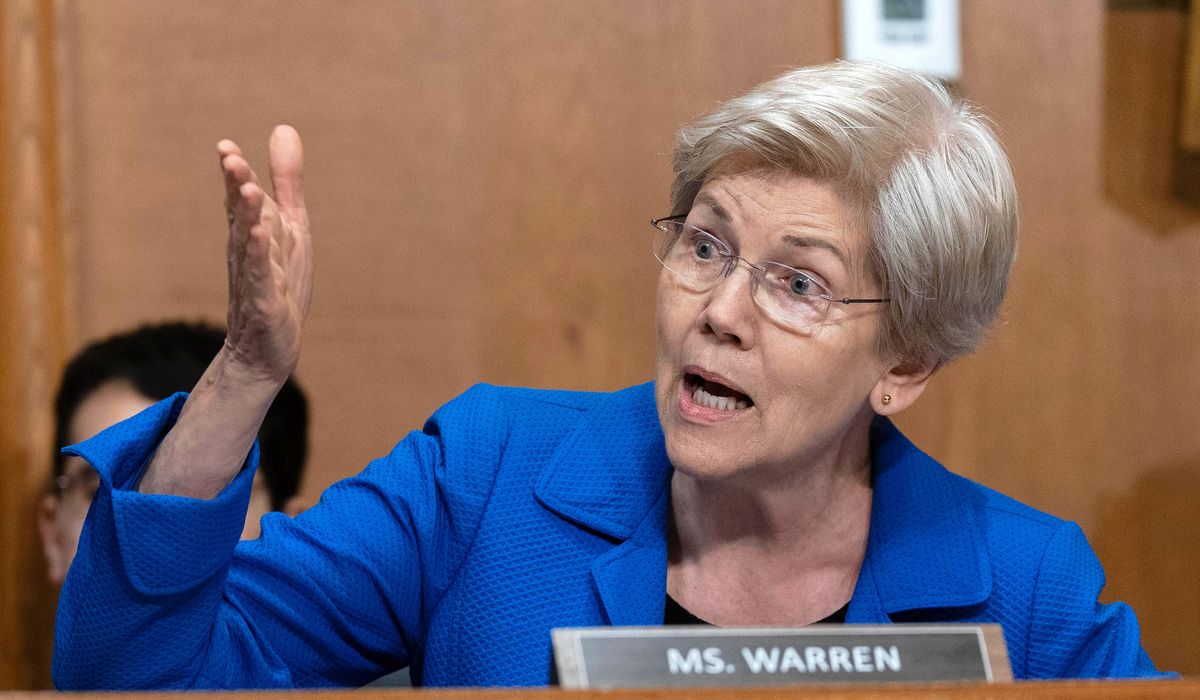
Sen. Elizabeth Warren is jumping back into the Democratic primary for Michigan’s U.S. Senate race — this time backing Abdul El-Sayed.
Senator Elizabeth Warren’s endorsement of Abdul El-Sayed is a clear intervention from a national liberal figure into a state contest. For voters who want local priorities and accountability, outside star power can feel like a takeover. The move will reshape the Democratic primary narrative and force local campaigns to answer for national alliances.
The practical effect is immediate: fundraising pitches, messaging lines, and volunteer enthusiasm will all tilt toward whoever can claim the Warren imprimatur. That can be useful for a campaign seeking name recognition and resources, but it also hands opponents a ready target. Conservatives can point to the endorsement as evidence that the Michigan race is being run by coastal elites rather than local leaders.
Abdul El-Sayed has already been framed in national headlines as the beneficiary of this kind of backing, and his record will be scrutinized more closely because of it. He may gain short-term momentum, yet voters will likely probe his ties to the state and his policy track record. Republicans should expect to highlight any inconsistencies between his national allies’ agenda and Michigan voters’ priorities.
The timing matters. Jumping into a primary with a high-profile endorsement compresses the cycle, forcing rivals to react fast or risk being boxed out. That accelerates spending and hardens campaign lines, which is good for Republicans who run disciplined, focused messaging. It also creates opportunities to paint the endorsement as an outside attempt to dictate Michigan’s future from afar.
Campaign dynamics are not only emotional; they’re logistical. Warren’s support means El-Sayed will likely see increased cash transfers and volunteer attention that can convert into early advertising and ground games. But resource advantages do not erase questions about electability in the general election, especially in a state where swing voters decide outcomes. The GOP can exploit that gap between primary enthusiasm and general appeal.
Voters tend to react poorly to being told which candidate to choose by someone from another state, particularly when economic concerns and everyday issues are at stake. Michigan’s manufacturing towns and suburban neighborhoods want clear plans for jobs, schools, and public safety, not national orthodoxies. Republicans can sharpen the contrast by focusing on practical solutions and local leadership rather than celebrity endorsements.
El-Sayed’s policy positions and public record will come under a microscope now that a national figure has publicly backed him. That scrutiny gives opponents chance to dissect proposals, highlight past statements, and test how his policies play with pragmatic voters. A persistent, issue-focused attack will force the campaign to defend specifics rather than rely solely on the endorsement headline.
Endorsements also create expectations. When a senior national politician attaches their name to a campaign, the endorsed candidate inherits both the boost and the baggage. That includes the national figure’s record, rhetoric, and political fights, which can be weaponized in localized messaging. The Republican playbook will likely center on tying those national talking points to everyday concerns of Michigan residents.
Ultimately, this endorsement reshuffles the deck and raises the stakes in the primary. It injects outside energy into a race that could otherwise be decided on local terms, and it hands Republicans clear lines to use in contrast messaging. The real question now is whether voters will respond to celebrity intervention or push back in favor of candidates who present concrete plans for Michigan.

