

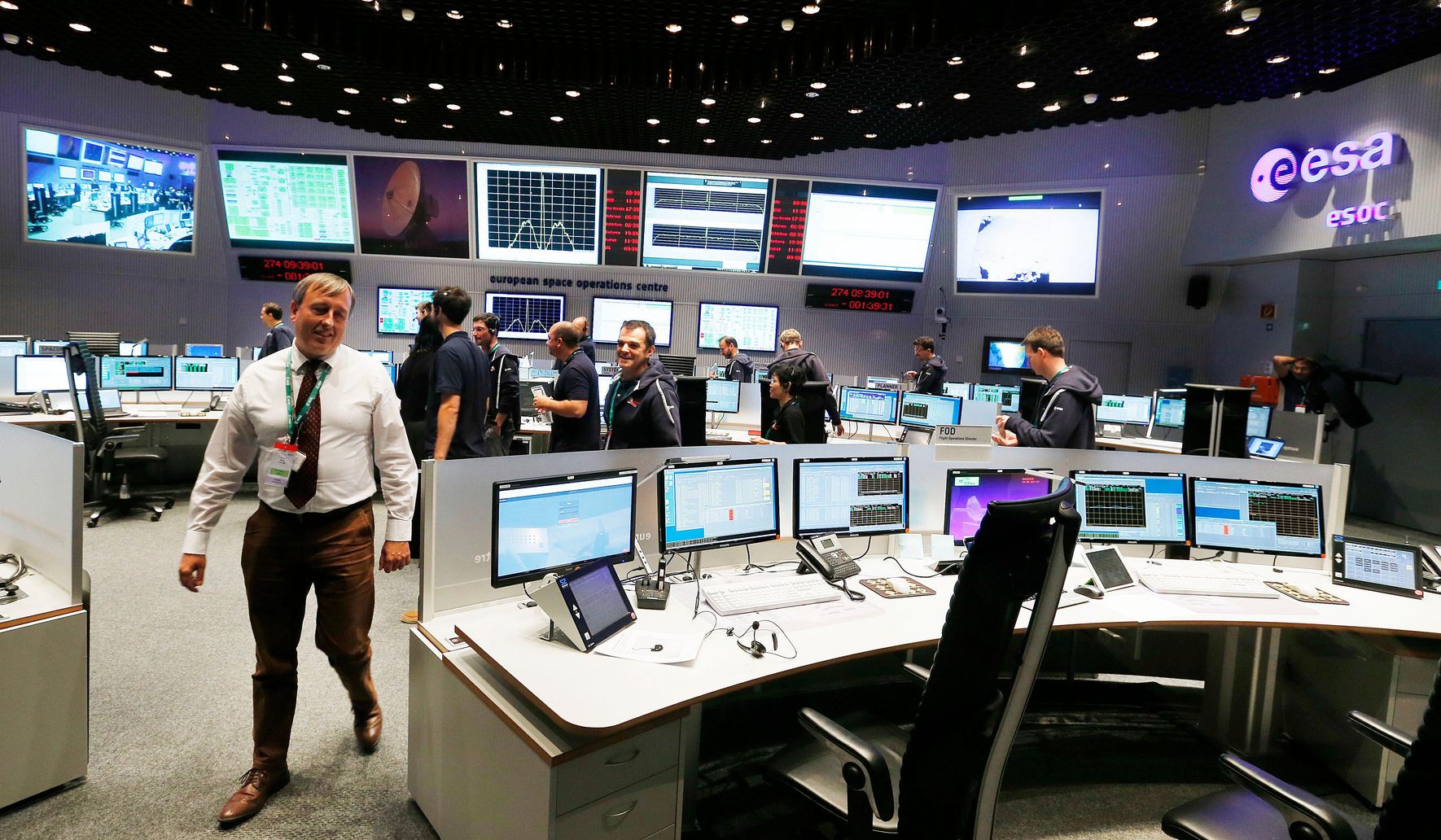
The European Space Agency is planning a significant budget boost over the coming three years, a move that reshapes priorities and signals a larger push into space capabilities across Europe.
The European Space Agency announced a clear financial shift this week. “The European Space Agency said Thursday it would increase its budget for the next three years to almost 22.1 billion euros ($25.6 billion).” That exact figure sets a firm benchmark for what comes next.
This extra funding will touch many corners of the space sector, from satellite programs and launch systems to research and industrial partnerships. Expect money aimed at bolstering Earth observation, scientific probes, and the infrastructure needed for routine access to orbit. Agencies and contractors alike will be asked to pick up the pace with deliverables and clearer schedules.
For industry, the budget increase promises a steadier pipeline of contracts and longer planning horizons. That helps suppliers, engineers, and smaller firms scale capacity and invest in new technologies. A predictable funding stream changes the equation for workforce training and long-term facilities investment across dozens of European companies.
Strategically, this is about preserving autonomy and competitiveness in space. Europe wants reliable launch access, dependable navigation systems, and strong scientific outputs without being overly dependent on outside partners. The funding aims to support both flagship programs and modular capabilities that can respond quickly to changing geopolitical and commercial pressures.
Climate and environmental monitoring will likely get a significant share of attention as well. Satellites delivering high-resolution data for weather models, sea-level tracking, and emissions monitoring are crucial for policy and commerce. With more budget, ESA can accelerate replacement cycles and invest in sensors that provide better, near-real-time information to users across Europe and beyond.
Launchers and access to orbit remain a central theme. Investments are expected to flow into improving existing vehicles, backing next-generation rocket development, and ensuring competitive pricing for payloads. A stronger launcher ecosystem supports the satellite economy, helps secure launch cadence, and improves Europe’s bargaining position with commercial launch providers.
There are practical hurdles to manage even with more money. Member states must agree on allocation priorities and timing, and national contributions will shape which programs move fastest. Deliverables, cost controls, and industrial return policies will be under scrutiny to make sure the increased budget translates into tangible progress and not just longer timelines.
Operationally, the extra funding should let ESA blend big, headline missions with a steady stream of medium-sized projects that keep industry busy and scientists productive. Expect a mix of flagship science missions, expanded Earth observation constellations, and investments in ground infrastructure. The next few years will reveal whether the cash infusion accelerates innovation or mainly shores up existing commitments, but the direction is unmistakable: more resources for Europe’s presence in space.

