

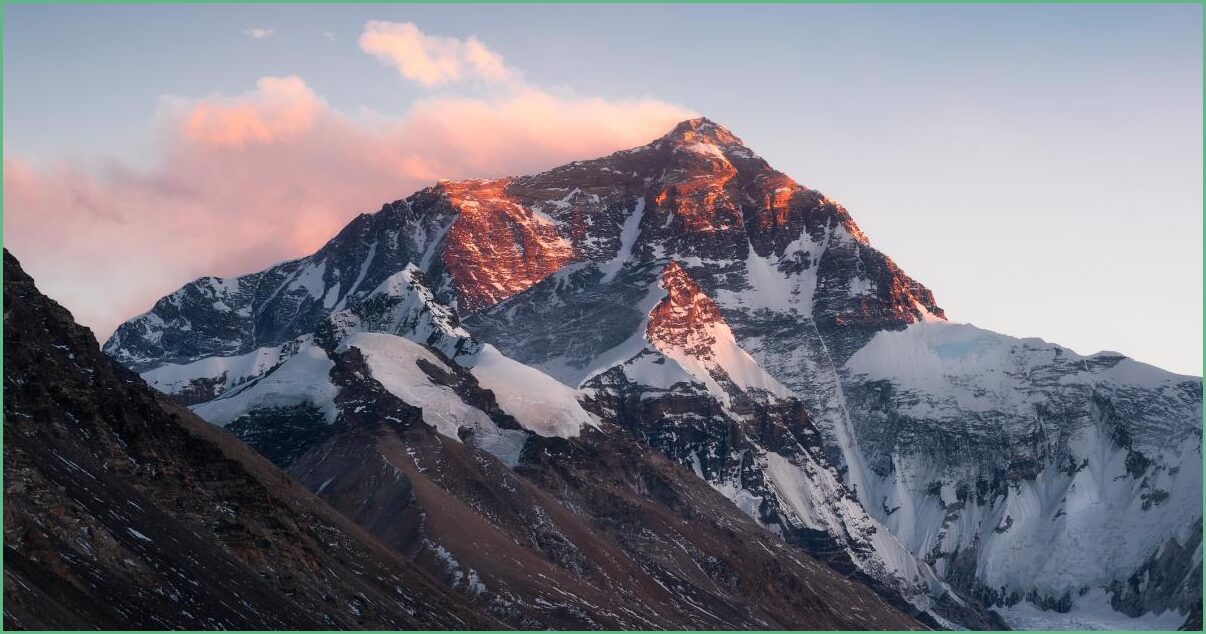
Nearly one thousand climbers and visitors found themselves cut off on the Tibetan side of Mount Everest after a fierce blizzard slammed the high slopes and choked key routes, according to local reports. The storm rolled in Friday evening and held through Saturday, dumping heavy snow at elevations above 4,900 metres and turning approach roads into impassable swaths of white. Rescue crews and villagers scrambled immediately, but the scale of the blockage made every step slow and dangerous.
Teams now face the twin problems of depth of snow and the altitude at which it fell, which complicate even basic movement and equipment transport. Local authorities canceled ticket sales and stopped entry into the Everest Scenic Area as a precaution while they work to reestablish safe corridors. Officials confirm some people have been guided to lower ground, but hundreds remain in precarious positions as crews clear the passes.
Anyone who’s spent time around the world’ highest mountains knows weather can flip in a heartbeat, and this was one of those flips that left people stranded in the worst place to be stuck: high, cold and exposed. Communications are spotty at best on those slopes and that slows coordination, so families waiting for news have been left in long stretches of uncertainty. The effort on the ground right now mixes trained rescue personnel with local villagers throwing everything they have at the problem.
High-altitude rescues are never simple and this event highlights that bluntly: helicopters can help but performance is limited at extreme elevations, and landing zones are scarce. Ground crews have to dig, shore up paths and ferry people down over terrain that becomes treacherous with every shovelful of wet snow. Those realities make clearing and opening routes the only reliable option for moving large numbers safely once the immediate danger of avalanches is assessed.
Across the border in Nepal the situation is also grim, but different in kind: heavy monsoon rains have triggered floods and landslides that destroyed roads and bridges and killed at least 47 people since Friday. Those conditions have snarled travel and response efforts, leaving isolated communities without safe access to hospitals or emergency supplies. When mountain routes and valley roads both fail, the human cost multiplies fast because options for evacuation narrow.
The immediate human story is stark: tourists looking for the thrill of the mountain, guides and clients, and support crews suddenly facing a survival puzzle. Local economies built around climbing and trekking take a double hit when permits and ticket sales are halted and when insurance claims start rolling in. Small towns that depend on steady streams of visitors now face lost income as rescue operations and safety checks drag into days and possibly weeks.
If you were planning a high-altitude trip, this is a sharp reminder to respect weather windows and to travel with experienced operators who put safety first. Permits, contingency plans and clear communication lines matter because when things go wrong, they are the difference between orderly evacuations and chaos. For families and clients, redundancy in gear and plans is not fancy, it is necessary.
There’s a bigger picture here too: mountain weather patterns are shifting and unpredictable storms are becoming part of the new normal for many ranges, making season timing less reliable than it used to be. That unpredictability pressures local agencies to invest in better forecasting, stronger infrastructure and more robust rescue capability. Without those investments, the number of people exposed to risk will only grow as adventure travel expands.
Coordination between authorities on both sides of the Himalaya will matter a lot in the coming days as rescue teams try to move groups to safety and transport the injured. Cross-border logistics are complicated by permits, jurisdiction and the sheer geography of the region, but the core requirement is simple: get people down to lower, safer ground and make sure they receive medical checks. That work takes time, manpower and weather that cooperates.
As rescue operations continue, officials have urged patience and caution, and communities have shown a steady willingness to help, sending villagers and volunteers to join the effort. The human response underlines a basic truth: in extreme places, neighbors and local expertise often become the first and most effective line of rescue. For now the story is still unfolding and every successful descent will be hard-won.
Expect updates in the next 24 to 72 hours as crews chip away at blocked routes and as conditions permit more organized evacuations; the situation is fluid and rescue leaders are adjusting plans with each weather report. Meanwhile authorities are assessing damage on the Nepal side and prioritizing roads and bridges that, once repaired, will re-open critical supply lines. The immediate focus remains saving lives and getting people off the mountain into care and shelter.

