

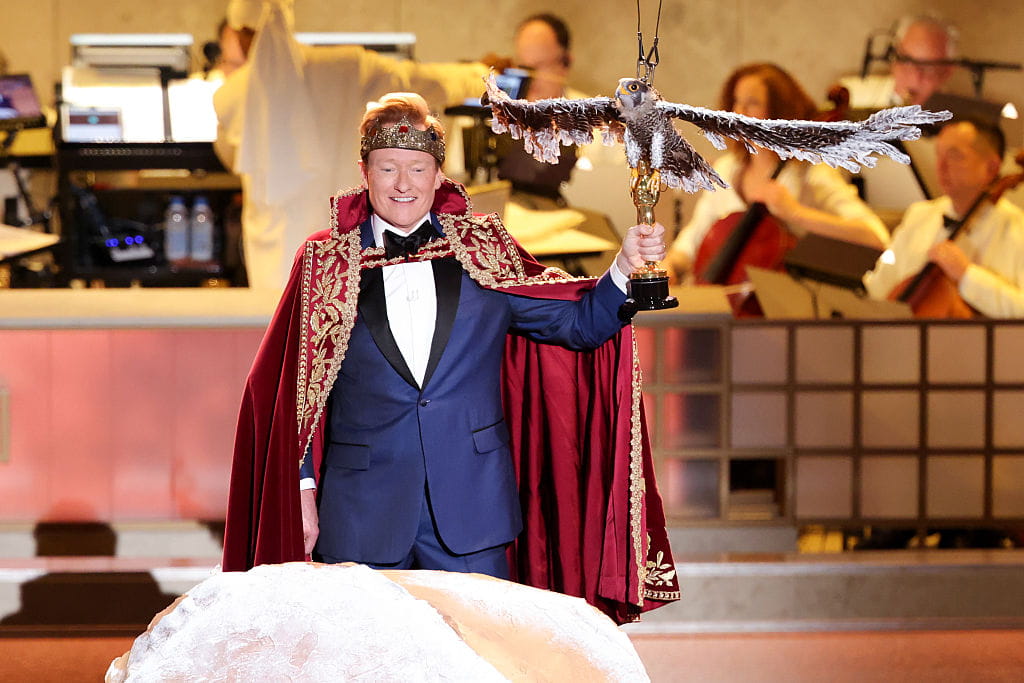
Hollywood’s 98th Academy Awards turned into a political performance where jokes and speeches leaned heavy on partisan digs, leaving many viewers feeling lectured rather than entertained.
The show opened with a monologue that set a snarky tone instead of a celebratory one for cinema. Conan O’Brien delivered a line that landed as both a joke and a jab: “Last year when I hosted, Los Angeles was on fire. But this year, everything is going great,” a sarcastic shot about the war in Iran. That choice signaled the evening would blend film tribute with pointed political commentary.
The awards kept slipping into political territory across several moments, and it felt less like honoring craft and more like scoring cultural points. Acceptance speeches frequently drifted into policy and protest, shifting attention from acting and filmmaking. When the night becomes a platform for messaging, the work itself gets sidelined.
Audiences tune in to celebrate movies and creativity, not to be lectured by an industry that often seems detached from mainstream America. The tone of many presenters and winners suggested a narrow view of patriotism and policy that may alienate a large portion of viewers. That disconnect explains why entertainment and politics mixing can backfire for Hollywood more than it helps.
Politicized entertainment has consequences beyond a single evening of awkward jokes and pointed speeches. It tells people who don’t share those views that their experiences aren’t welcome in the cultural conversation. For a business that depends on broad audiences, narrowing the message is a risky strategy.
Critics of the Academy could point to a long-term pattern where awards shows increasingly reflect the personal politics of a vocal few. The Oscars used to focus on performances, direction, and technical achievement, but the air of inevitability around certain political talking points has changed the feel. That shift makes the ceremony less about film history and more about present-day disputes.
There’s a difference between using a platform to advance causes and turning a celebration into a sermon. Many in the audience respond well to nuanced perspectives offered by artists, but constant partisanship stings. When the evening becomes predictable political theater, it becomes easy for viewers to tune out.
Some entertainers will argue their free expression matters and that awards shows are natural places to speak up. That’s true, but there’s a responsibility to the craft and the viewers who invest time and attention. Being outspoken is fine; being one-sided and repetitive is a strategic misstep for an industry that needs to sell movies to everyone.
Social media commentary after the show reflected a split view: a segment praised the boldness, while another asked for less politics and more cinema. Conversations online often focused more on the speeches than on who deserved awards for their work. That’s a signal to Hollywood that the messaging may be overshadowing the mission.
Industry insiders who insist on mixing activism with entertainment should consider the fallout. Alienating core audiences undermines box office returns and cultural influence. If the goal is to persuade, preaching to a sympathetic crowd on a national broadcast is a poor conversion strategy.
There’s also a credibility cost when celebrities lecture on issues they don’t live with or fully understand. Voters and viewers can smell performative gestures, and those moments can do more harm than good to the causes being promoted. Authenticity matters; grandstanding usually does not.
The Oscars will always reflect the culture to some extent, but there’s room to bring artistry back to the forefront. Celebrating filmmakers, actors, and crews without the constant overlay of political grandstanding would honor the work in a way that invites everyone to watch. If Hollywood wants to lead cultural conversations, it should earn that leadership through inclusion, not exclusion.

